White House backs England to win 2026 World Cup
Through his adviser Andrew Giuliani, Donald Trump has expressed his support for the Three Lions at the 2026 World Cup, recalling his golf outing with Harry Kane and praising the Kane-Bellingham partnership.
1 min read
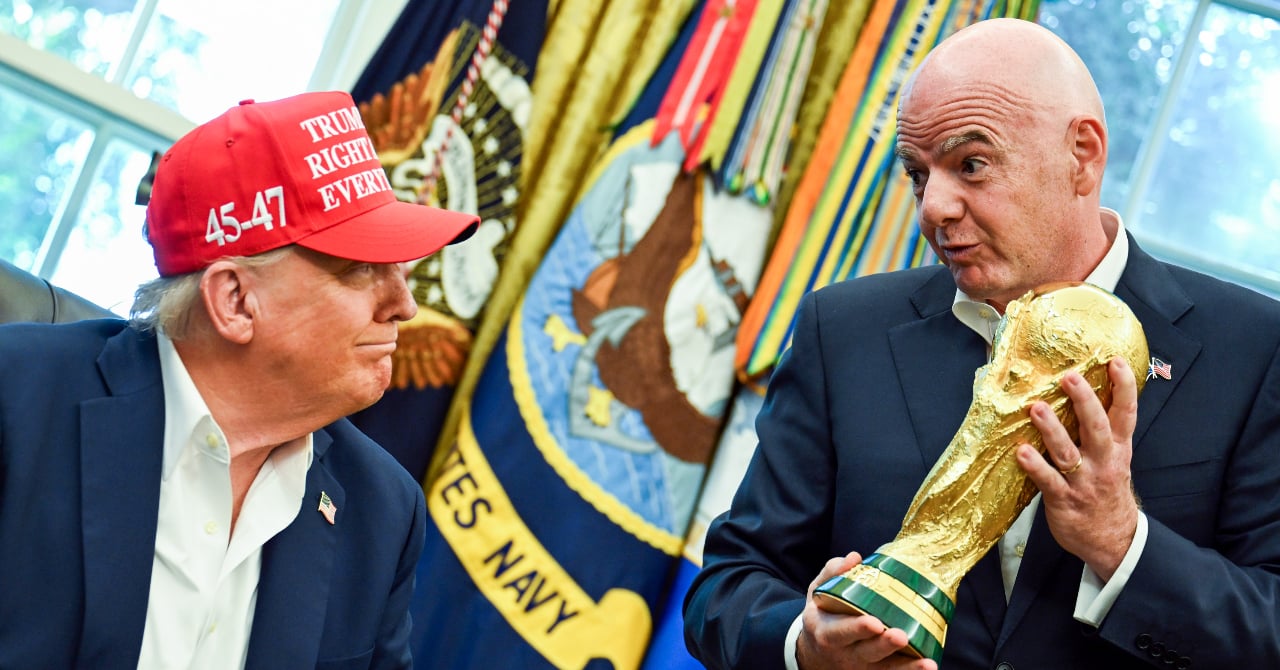
Donald Trump is backing England at the 2026 World Cup. Andrew Giuliani, principal adviser to the American president, confirmed to the Daily Mail that the White House wants to see the Three Lions lift the trophy on American soil.
The context of this sympathy is not insignificant: Harry Kane revealed a few days ago that he had played a round of golf with Trump eighteen months earlier, at the president’s invitation. The rapport appears to have been good between the two men.
“You know, if the United States can’t win during our 250th anniversary, then it would be a wonderful story to see the English come to America and win during our celebrations,” Giuliani said. The adviser also highlighted the symbolic weight of such a triumph for England: “England has been suffering for sixty years, if I understand correctly. It would be a magnificent victory for them if they won the tournament. I am absolutely convinced that England can go all the way.”
According to Giuliani, Trump “was closely following Kane’s performances in the tournament.” The adviser also praised the English attacking duo: “Harry Kane is England’s best goalscorer, and if they want to win the tournament, he will be the main reason. He and Jude Bellingham are excellent footballers.”
To claim a second world title — the first dating back to 1966 — England will first have to overcome a major obstacle in the semi-final on July 15: Argentina, the defending champions, led by Lionel Messi.
Read also
-
 Football ·
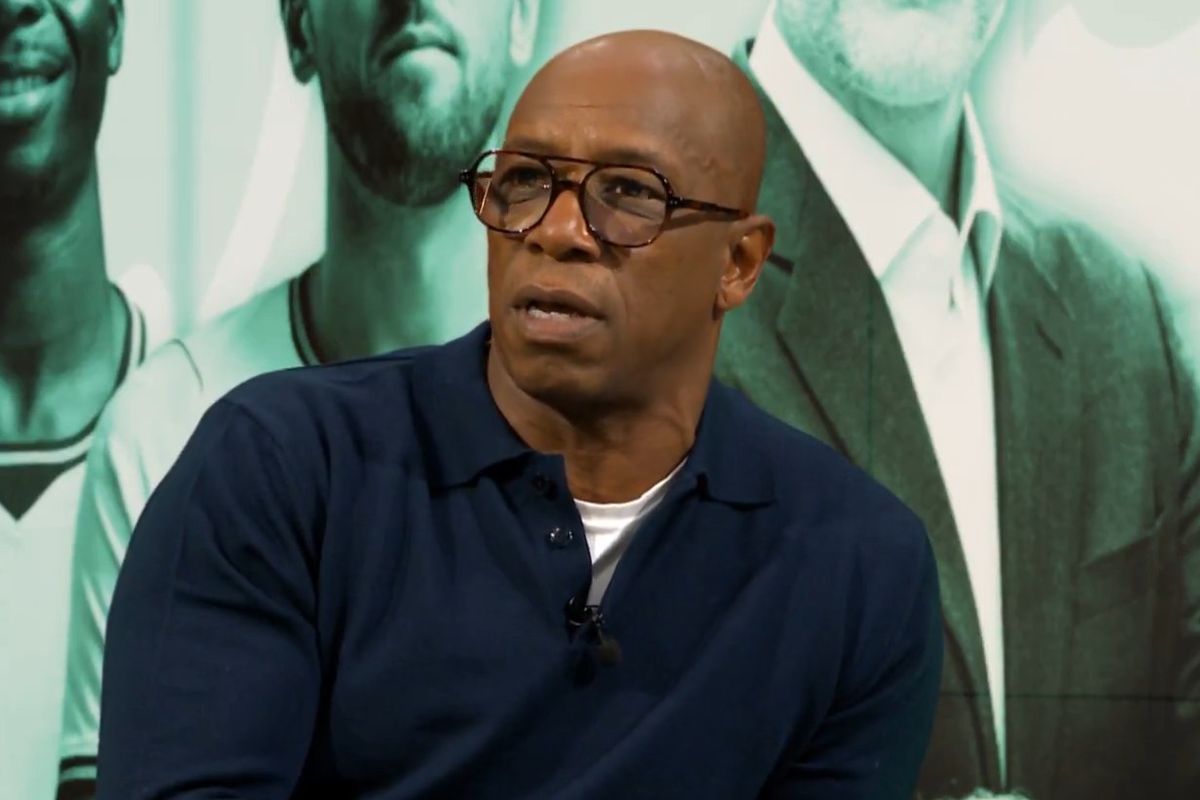
Wright demands 'unprecedented' punishment for Man City after Premier League reveals 'sham contracts'
-
 Football ·
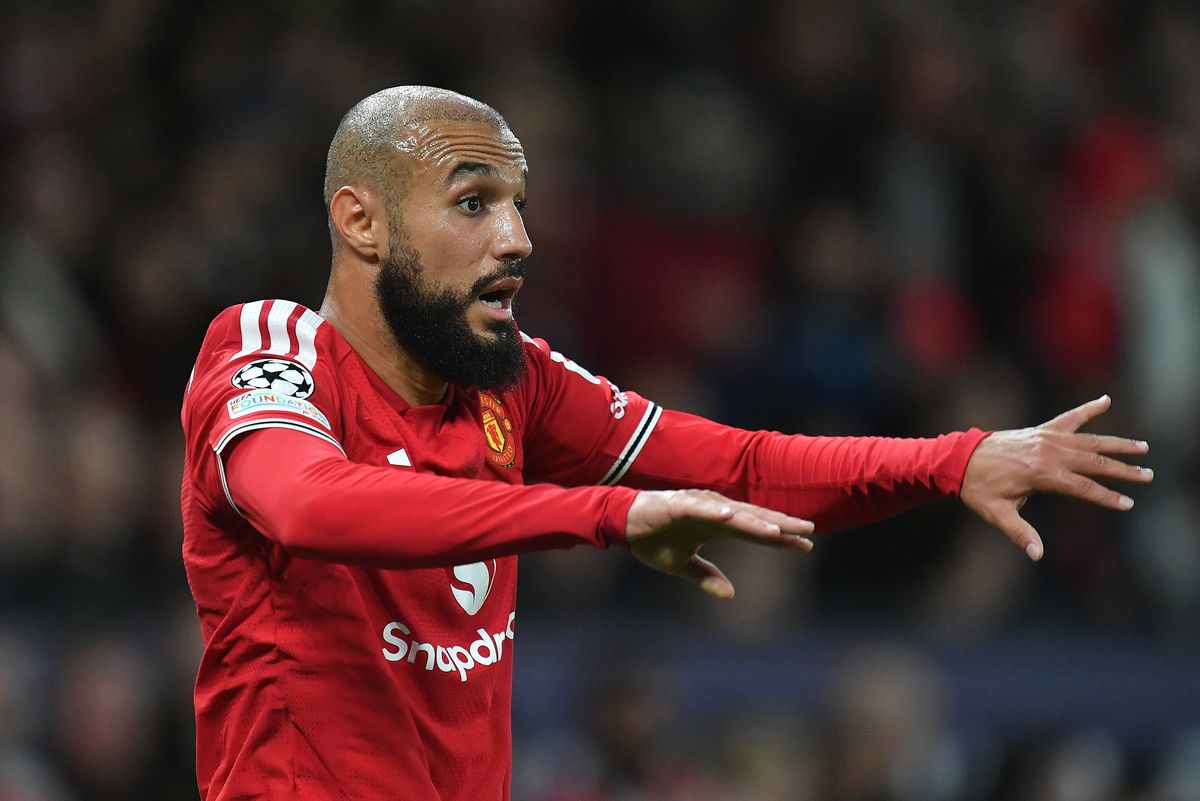
Mazraoui joins growing injury list as Manchester United's international break misery deepens
-
 Football ·
Shearer to revisit 30-year Newcastle career with Lineker at charity fundraiser
-
 Football ·
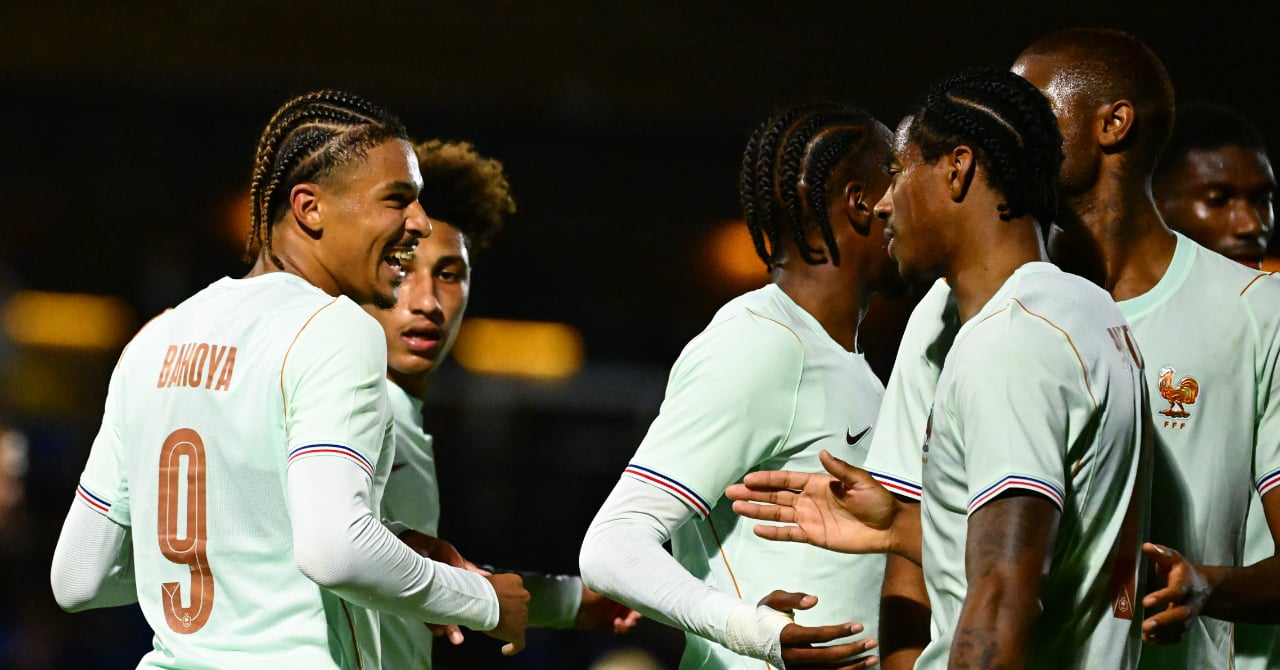
France U21 beat Estonia and edge closer to Euro 2027 qualification
-
 Football ·
Wright demands 'unprecedented punishment' as City found guilty of £900m financial fraud
-
 Football ·
Manchester City found guilty on 114 of 115 charges in landmark Premier League ruling
 Mauritius