Verstappen crashes out of Dutch GP on lap one as Norris leads Antonelli at red-flag restart
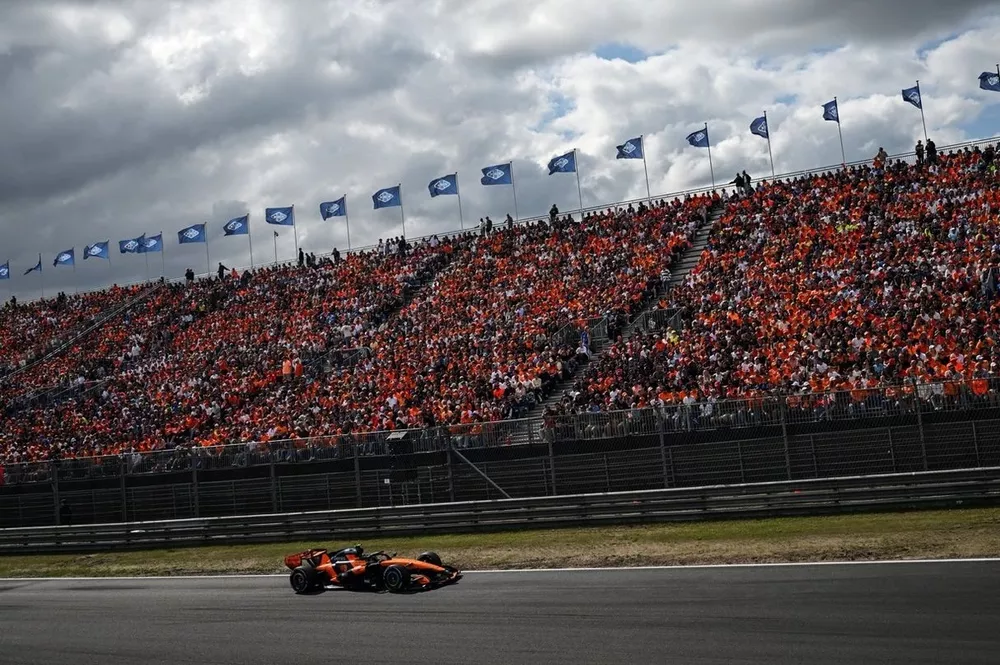
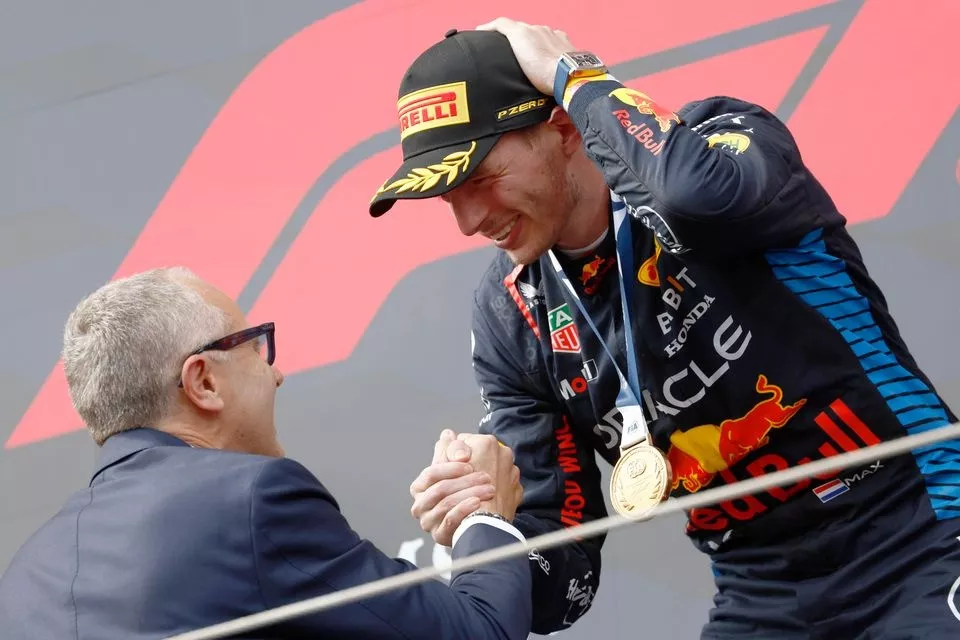
Max Verstappen's final home race at Zandvoort lasted just one lap after he lost control of his Red Bull at the Luyendyk corner on a damp circuit, hitting the outside wall head-on. Lando Norris led championship contender Kimi Antonelli when the race was halted.
1 min read
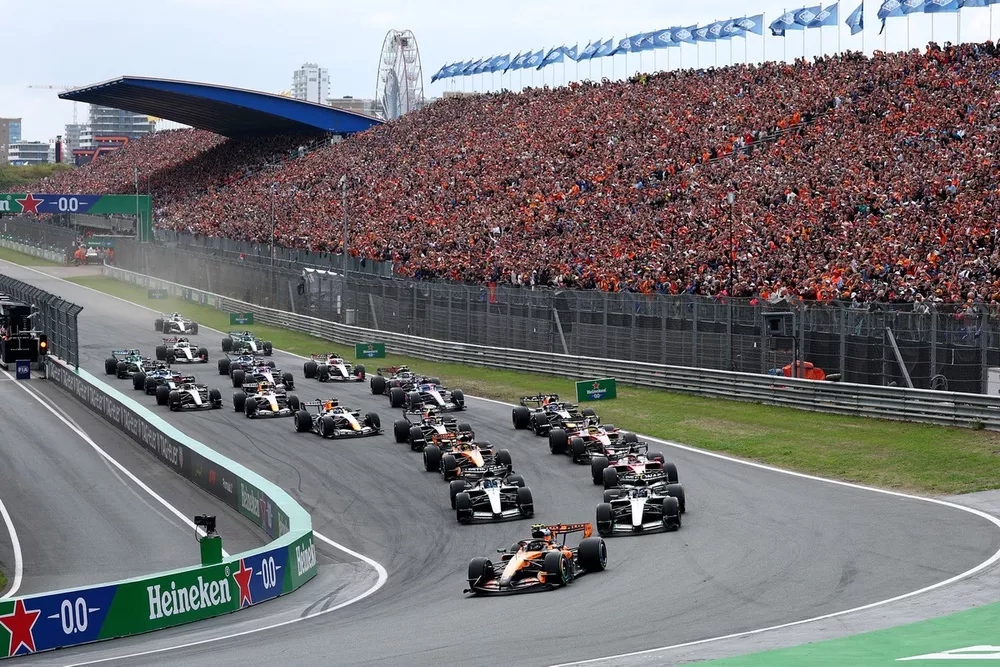
Max Verstappen’s Dutch Grand Prix ended after a single lap on Sunday when he crashed heavily at Zandvoort’s banked Luyendyk corner, forcing a red flag before the field had completed the opening tour.
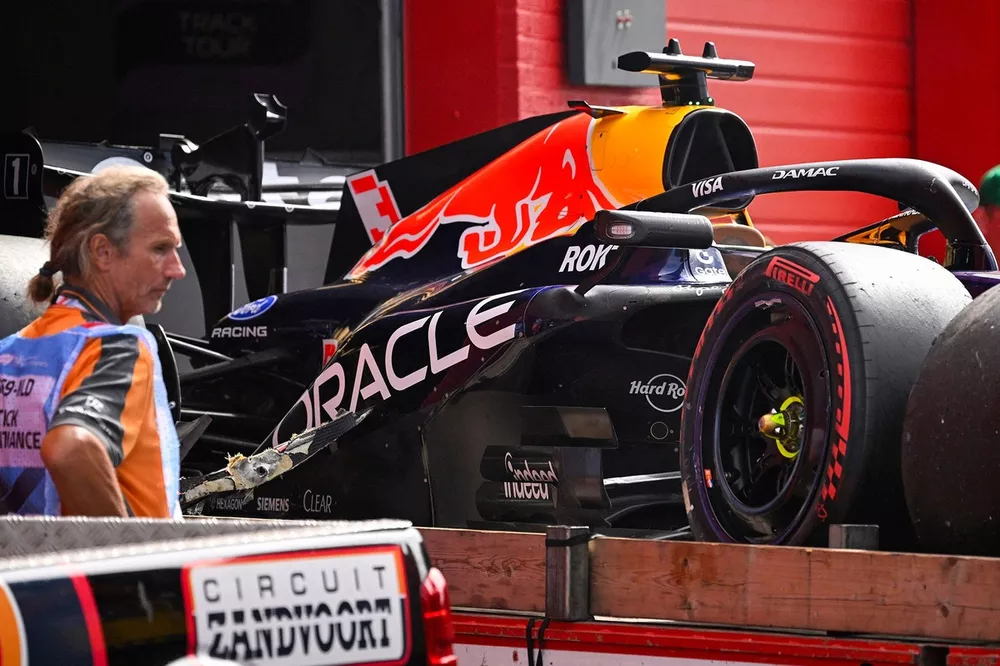
On a damp circuit, Verstappen clipped the white line on the inside of the final turn — the flat-out, banked bend leading onto the main straight — and lost control of his Red Bull. The car veered head-on into the outside wall before sliding across the track and coming to rest on the inside. Verstappen quickly radioed that he was “OK” and apologised to his team for ending his race so early.
The four-time world champion was fortunate not to be collected by following cars. Alpine’s Pierre Gasly took avoiding action to miss the stricken Red Bull, while Audi’s Gabriel Bortoleto narrowly avoided a secondary incident after spinning in front of his team-mate Nico Hülkenberg.
Verstappen had been running seventh at the time of the crash, having qualified disappointingly ahead of what is his final home grand prix. The entire field retreated to the pitlane to await a restart.
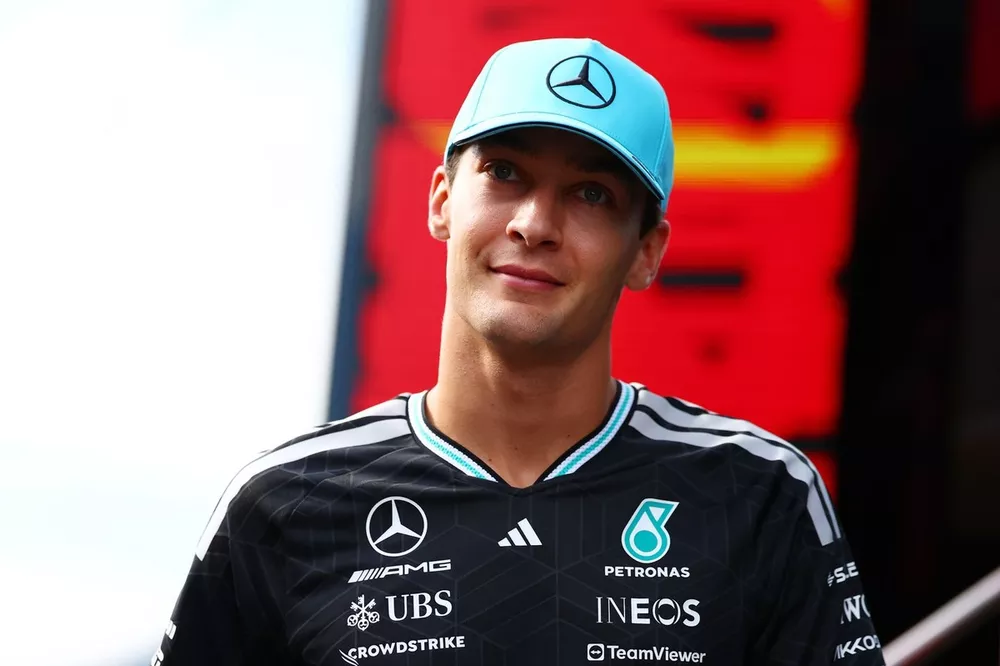
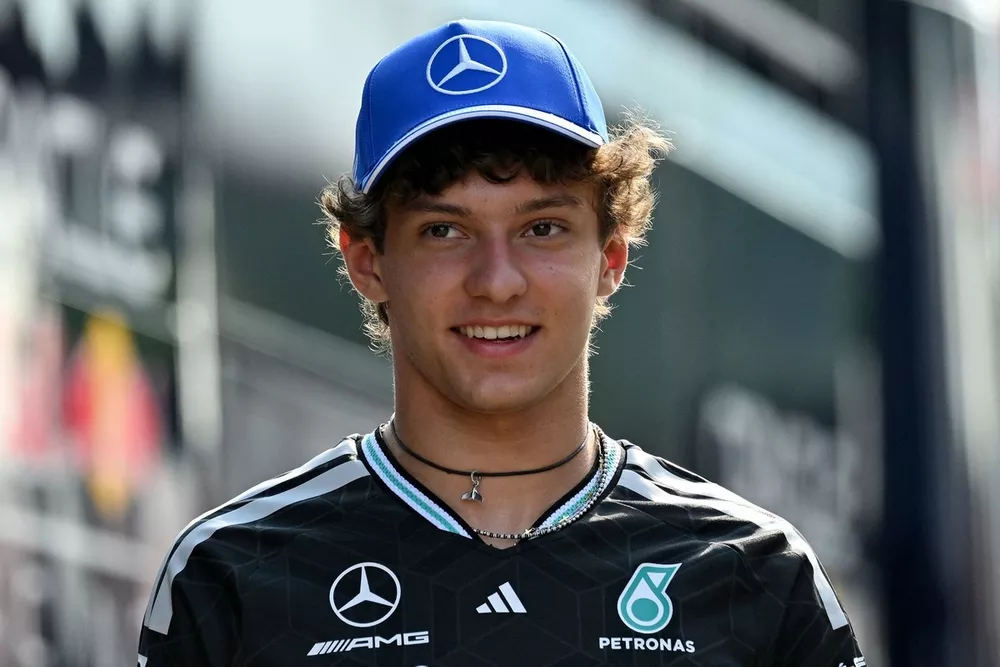
At the head of the field, polesitter Lando Norris had retained his lead through a chaotic opening sequence. Championship leader Kimi Antonelli moved up to second by passing George Russell before the red flag was shown, setting up a tense restart with the title picture very much in focus.
Read also
-
 Formula 1 ·
Verstappen admits early acceleration error caused Dutch GP crash on damp Zandvoort banking
-
 Formula 1 ·
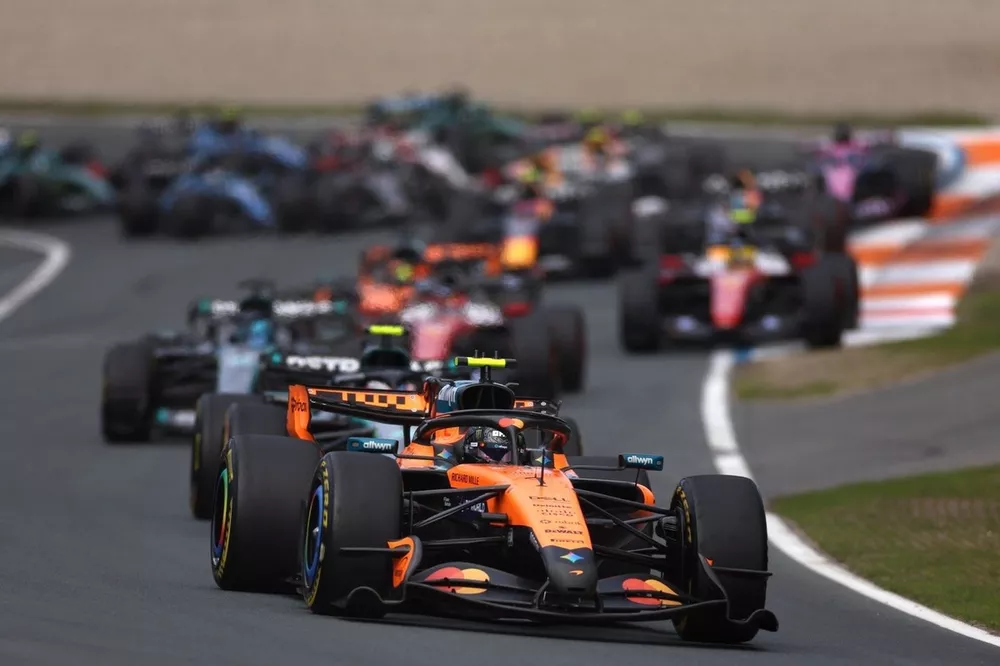
Norris dominates Dutch GP as Verstappen's crash triggers red flag at Zandvoort
-
 Formula 1 ·
Norris dominates Dutch GP as champion Verstappen crashes out on lap one
-
 Formula 1 ·
Rosberg says Russell is 'back at his best' after Antonelli outpaced him in F1's first half
-
 Formula 1 ·
Rosberg warns championship leader Antonelli that F1 title 'demons' cost him his final four races
-
 Formula 1 ·
Verstappen extends Red Bull deal to 2030 as Domenicali declares F1 unimaginable without him