Verstappen calls 2026 F1 cars 'numb' as Lawson and Tsunoda form his evidence
Max Verstappen has sharpened his criticism of Formula 1's 2026 machinery, arguing that the energy-management demands make the cars so unresponsive to driver input that even stand-ins Liam Lawson and Yuki Tsunoda were immediately competitive.
2 min read
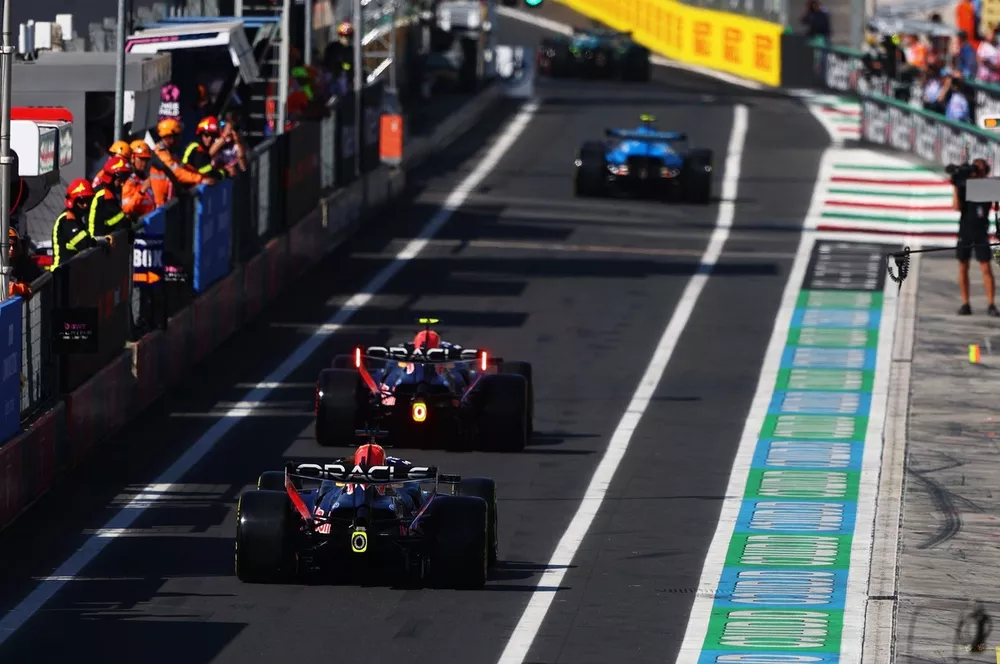
Max Verstappen has used the rapid adaptation of stand-in drivers Liam Lawson and Yuki Tsunoda as evidence that Formula 1’s 2026-specification cars strip too much of the driving challenge away, telling the BBC the new machinery leaves him feeling like he is in a “choke hold”.
Verstappen, who has been the most outspoken critic of the new power units since the season began — famously labelling them “Formula E on steroids” — argued that the energy-management requirements force drivers into habits that are fundamentally at odds with traditional racecraft.
“In the history of the sport, normally the driver that is the most committed, the latest on the brakes, earlier on throttle, committing in the high-speed [corners], they get rewarded, because you just gain that time in the corner,” the Red Bull driver said. “But now you’re constantly thinking about, ‘In this corner I might have to hold in a bit. Go later on throttle. Or brake earlier. Or lift off. And then I have more top speed.’ Stuff like that. It’s so unnatural. It’s so not how it should be.”
The four-time world champion pointed specifically to Lawson and Tsunoda, who stepped in at Red Bull and Racing Bulls respectively after Isack Hadjar suffered a wrist injury during the summer break. Lawson took seventh at Zandvoort before a trickier Italian Grand Prix, while Tsunoda scored a point at Monza having narrowly missed the top ten in the Netherlands.
“No disrespect. And I hope no one picks up on this,” Verstappen said. “But look at Yuki. He jumps in the car. Never driven the car before. Immediately competitive. Liam jumps from the Racing Bulls to the Red Bull — immediately competitive. It’s because these cars are numb to your driver inputs. Of course, yes, you still have to do a good lap. And you still have to commit. The fastest drivers will always come out on top. But it’s really, really limited, like a choke hold or something. You’re held back.”
The argument is not without its counterpoints. Both Lawson and Tsunoda were outqualified by their respective team-mates in all three qualifying sessions across Zandvoort and Monza. The history of Formula 1 also offers numerous examples of stand-in drivers excelling across very different technical eras: Nico Hulkenberg qualified third for Racing Point at the 2020 70th Anniversary Grand Prix, George Russell nearly won the Sakhir race that same year on his Silver Arrow debut, and Sebastian Vettel scored a point on his F1 debut with BMW in 2007. Robert Kubica reached the podium just three races after replacing Jacques Villeneuve at the same team in 2006, while Alexander Wurz finished third at Imola in 2005 in his only start of that season.
Notably, Verstappen himself won on his very first outing in a Red Bull at the 2016 Spanish Grand Prix — a fact that somewhat complicates the narrative he is now advancing, even if the regulatory landscape was markedly different.
Read also
-
 Formula 1 ·
Croft says Russell deserved equal strategy call after Mercedes cost him Monza win
-
 Formula 1 ·
How Schumacher's retirement announcement at Monza 20 years ago reshaped Formula 1
-
 Formula 1 ·
Red Bull signs 10-year-old Robin Raikkonen as junior driver to follow father Kimi's footsteps
-
 Formula 1 ·
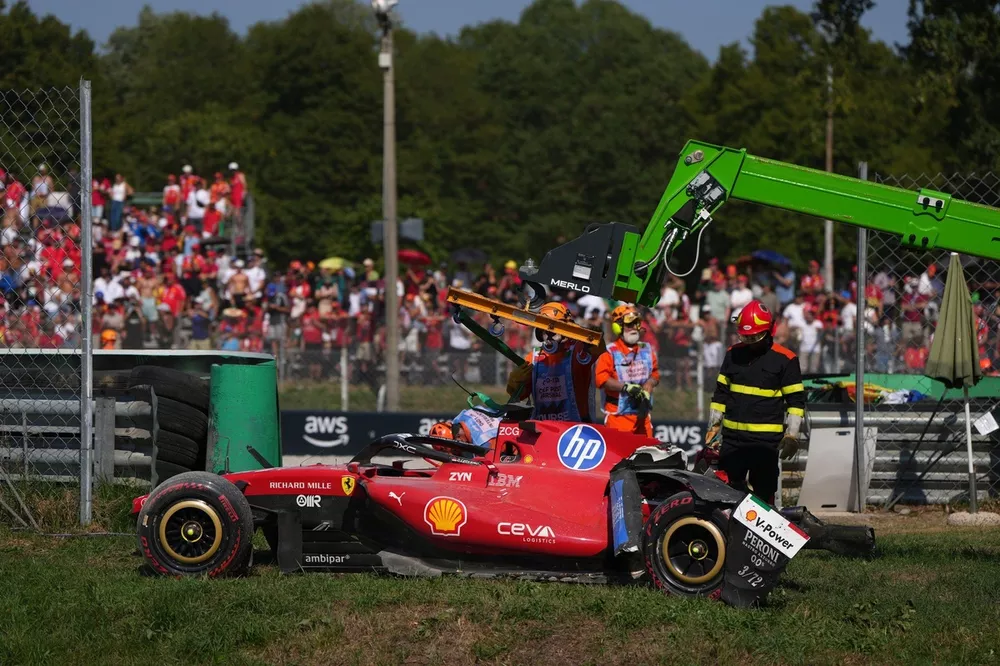
Leclerc escapes grid penalty for Spanish GP after Ferrari survives 50G Monza crash
-
 Formula 1 ·
Formula 1 returns to Madrid for first time in 45 years as unique Madring circuit debuts
-
 Formula 1 ·
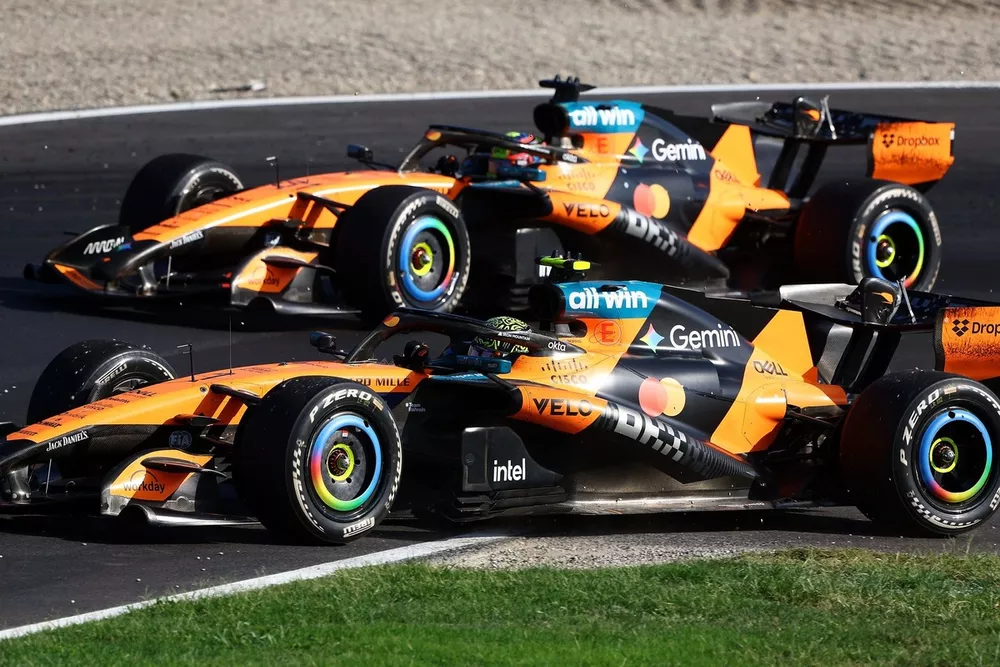
McLaren to review driver rules after Norris and Piastri clash at Monza cost team ground on Verstappen

 Spain U20 W