Verstappen braces for 'painful' Monza as 2026 energy rules expose F1's deepest flaw
Max Verstappen has mentally accepted a difficult Italian Grand Prix weekend at Monza, where the 2026 regulations' energy management problems will be fully exposed, with drivers forced to lift off the throttle on the circuit's famous long straights.
2 min read
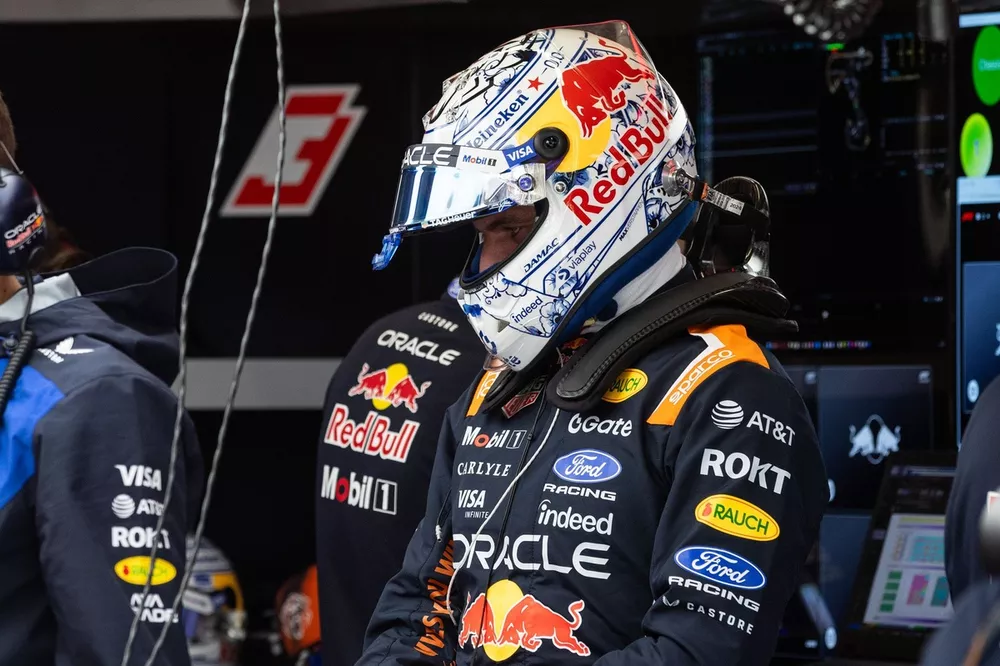
Max Verstappen arrived at Monza’s Formula 1 media day on Thursday already resigned to a difficult Italian Grand Prix weekend, describing the Temple of Speed as “pretty painful” under the sport’s current 2026 regulations and admitting he has mentally accepted that this season “can no longer be salvaged” — for both Red Bull and F1 as a whole.
Energy management dominated every driver conversation at the circuit, following two energy-intensive rounds in Budapest and Zandvoort. The problem is structural: Monza’s harvesting limit has been set at just four megajoules for the weekend in an attempt to curb super clipping, but the compromise means drivers will exhaust their MGU-K power early on the straights and be forced to lift, producing top speeds considerably lower than in previous years.
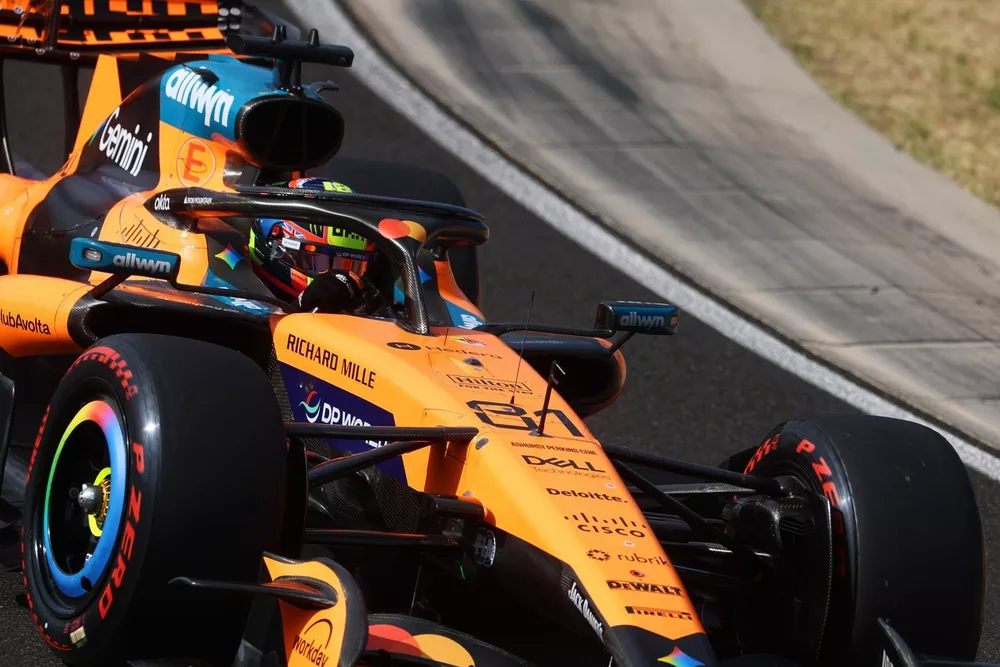
Oscar Piastri revealed that McLaren’s simulations pointed to lower top speeds at Monza than the team recorded in Hungary — a striking benchmark given that the Hungaroring is one of the slowest circuits on the calendar.
“It’s going to be pretty painful,” Verstappen said. “This track is just very energy inefficient, but I also don’t want to be too negative about it all. It is what it is. I have accepted it mentally. I prepared for a weekend where it will be a bit different. You cannot push flat out and you have to be gentle with the throttle pedal, let’s call it like that.”
It is not the first time the four-time world champion has used Monza as his exhibit A. Back in 2023, Verstappen specifically cited the Italian circuit when warning about the direction of the regulations, predicting drivers would be forced to downshift on the long straights. That prediction, according to those in the paddock, is set to come true this weekend.
The consequences of straying from the optimal energy strategy extend beyond simple lap time. Small deviations can confuse the self-learning algorithms embedded in the power units, with potentially significant knock-on effects — a problem Piastri experienced first-hand at Spa earlier this season.
Verstappen acknowledged that the FIA and Formula 1 are actively working to ease the situation, but stressed that the underlying architecture of the regulations cannot be overhauled quickly. “Changes are being made to try and make it better, but better doesn’t mean that it’s fixed. It’s far from fixed,” he said. “But everyone is trying to do the best they can, the FIA and F1, they are all trying.”
For now, Monza will be a weekend of gritted teeth — for Verstappen and the rest of the grid alike.
Read also
-
 Formula 1 ·
Verstappen asked Red Bull if he could shunt rivals in 100-driver karting challenge
-
 Formula 1 ·
Mercedes mechanics ambush championship leader Antonelli with whipped cream at Monza
-
 Formula 1 ·
Alonso honours late mentor Adrián Campos with tribute helmet at Monza
-
 Formula 1 ·
Piastri reveals McLaren's sim shows higher top speed in Hungary than at Monza in 2026
-
 Formula 1 ·
Vettel to drive Schumacher's Ferrari F2002 at Monza in emotional tribute lap
-
 Formula 1 ·
Coulthard questions whether Ferrari's Schumacher tribute masks team orders crisis at Monza