Verstappen accepts F1 compromise rule changes but admits 2028 outcome was his minimum
Max Verstappen says the agreed shift to a 58-42 combustion-to-electric power split for 2026, moving to 60-40 in 2028, is 'heading in the right direction', despite falling short of his preferred timeline. Fernando Alonso is less convinced, warning the regulations' fundamental DNA cannot be altered.
2 min read
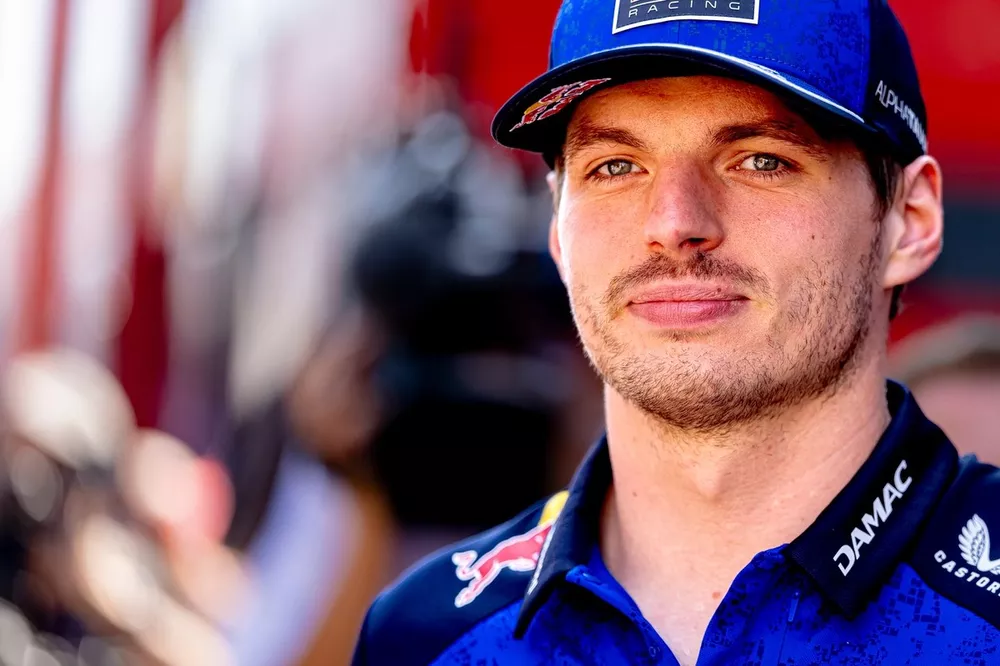
Max Verstappen has cautiously welcomed the Formula 1 Commission’s compromise on power unit regulations, saying the changes are moving in the right direction — even though the full 60-40 combustion-to-electric split he had called the bare minimum will not arrive until 2028.
The decision, reached through a supermajority vote on Wednesday ahead of the Barcelona Grand Prix, sets the balance at 58-42 in favour of the internal combustion engine for next season before completing the shift in 2028. The outcome fell short of what Verstappen had publicly hoped for in Montreal last month, when he said the proposed 60-40 ratio would “definitely help” determine how long he remains in the series.
Speaking in Barcelona, the four-time world champion acknowledged the political realities that shaped the compromise. “I do think that it was nice to see that changes are being made, of course already this year, but then also for next year,” Verstappen said. “Of course, I would have hoped that next year would have been already, let’s say, what we get in 2028. But I also understand that there is sometimes politics involved for that.”
Several manufacturers had resisted implementing the full hardware changes in a single step. Ferrari’s reservations centred on ADUO, while Audi and, to a lesser extent, Honda raised concerns about the investment required. The result was a staged transition rather than an immediate overhaul.
Verstappen indicated he can accept the final outcome. “At least the changes that they are making are heading in the right direction. So I guess that’s it. That’s a good thing,” he said. The changes still require formal ratification by the FIA World Motor Sport Council.
Not everyone in the paddock shares his measured optimism. Fernando Alonso, a two-time world champion, argued that the regulations carry an inherent character that minor adjustments cannot fundamentally alter. “I think we need to give it time. Hopefully things get better and the fans enjoy it a bit more, and drivers are a little bit happier with the car. But at the end of the day, these power units, they have this DNA and it will be difficult to change,” Alonso said.
The Spaniard’s scepticism points to a broader tension in the paddock: whether incremental rule tweaks can meaningfully address the concerns that have prompted Verstappen — and others — to question their long-term commitment to the sport.
Read also
-
 Formula 1 ·
Formula 1 brings full 2026 grid to Hot Wheels Infinite Rush in first-ever F1 gaming crossover
-
Formula 1 ·
F1 Commission cuts 2027 race distances by 15km to manage new power unit fuel demands
-
 Formula 1 ·
Sainz urges Williams karting prodigy Will Green to embrace risk in single-seater step
-
 Formula 1 ·
Steiner predicts Verstappen will go winless in 2026 as Red Bull struggles persist
-
 Formula 1 ·
F1 Academy champion Doriane Pin targets Mercedes race seat within five years
-
 Formula 1 ·
Bortoleto reveals Alonso is just as sarcastic and straightforward off camera as on it