Vasseur insists Hamilton would have won Barcelona GP even without VSC intervention
Ferrari team principal Fred Vasseur says Lewis Hamilton's pace on a three-stop strategy was strong enough to overhaul both Mercedes cars without the virtual safety car that ultimately sealed his victory at the Barcelona-Catalunya Grand Prix.
2 min read
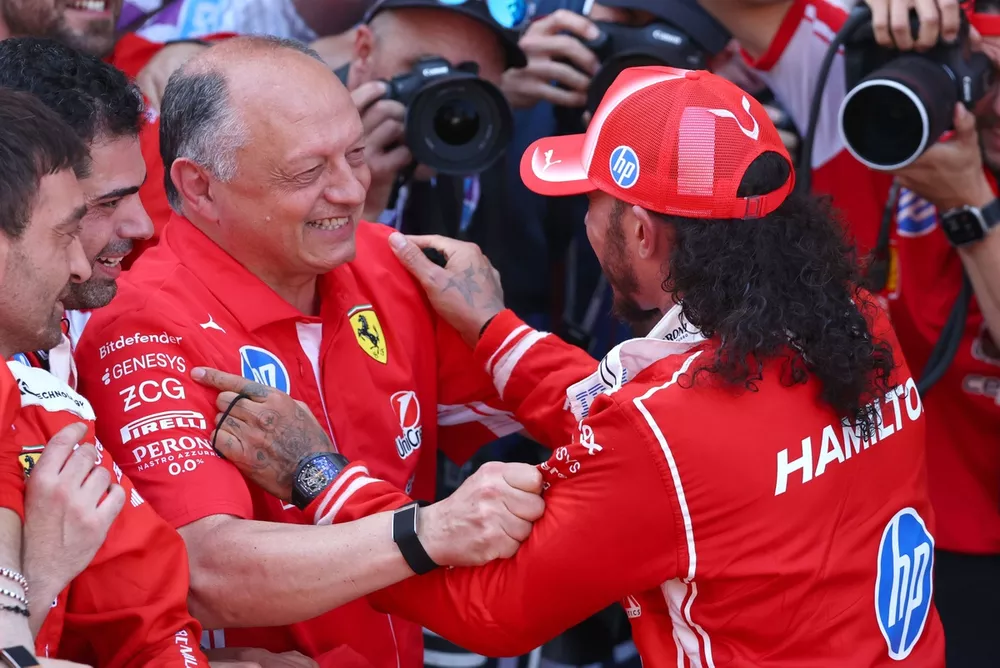
Ferrari team principal Fred Vasseur has declared that Lewis Hamilton would have won the Spanish Grand Prix regardless of the virtual safety car that helped seal his victory at the Circuit de Barcelona-Catalunya, pointing to the seven-time champion’s dominant pace on a three-stop strategy as the decisive factor.
Ferrari committed early to the three-stopper in anticipation of high tyre degradation, bringing Hamilton in at the end of lap 11 to swap his softs for hards. That move forced Mercedes to accelerate their own strategy, pulling both George Russell and Kimi Antonelli onto the hard compound earlier than planned.
The critical phase came when Hamilton switched to the medium tyre at the end of lap 27. On the C3 compound, he was visibly faster than either Mercedes, cutting a gap of more than 16 seconds to within five seconds of Russell over just nine laps before the Silver Arrows pit wall reacted.
With both Mercedes drivers pitted and Hamilton 16 seconds clear, he was poised to make his final stop when Fernando Alonso’s retirement at Turn 9 with a battery problem triggered the VSC. Ferrari used the caution period to bring Hamilton in at minimal cost, and he rejoined ahead of Russell before pulling away to an unassailable lead — the final margin standing at 19.5 seconds.
Asked directly whether Hamilton could have managed the same result without the VSC — which would have required him to pass at least one Mercedes on track — Vasseur was unequivocal.
“We would have won the race, perhaps with a bit less,” the Frenchman said. “But we were also in a good situation with a fresh set of tyres at this stage. It was positive for us, but I don’t want to do the calculation what would have been in the race with this or this. But I think we were already in a very good situation.”
The data supports his confidence. In the three laps between Russell’s second stop and the VSC deployment, the gap had closed by only 1.5 seconds — suggesting Hamilton’s tyre advantage would have allowed him to absorb any time lost in traffic and continue eating into the deficit.
Mercedes boss Toto Wolff acknowledged as much. “Lewis was the quickest of us afterwards,” Wolff noted. “So, even if we would have come out in front of him, it would have been very tricky” to hold him off.
Russell’s lack of pace on the hard compound — even in clean air — appears to have been the central weakness in Mercedes’ two-stop plan, and the factor that made Hamilton’s charge look increasingly inevitable long before Alonso’s retirement changed the complexion of the race.
Read also
-
 Formula 1 ·
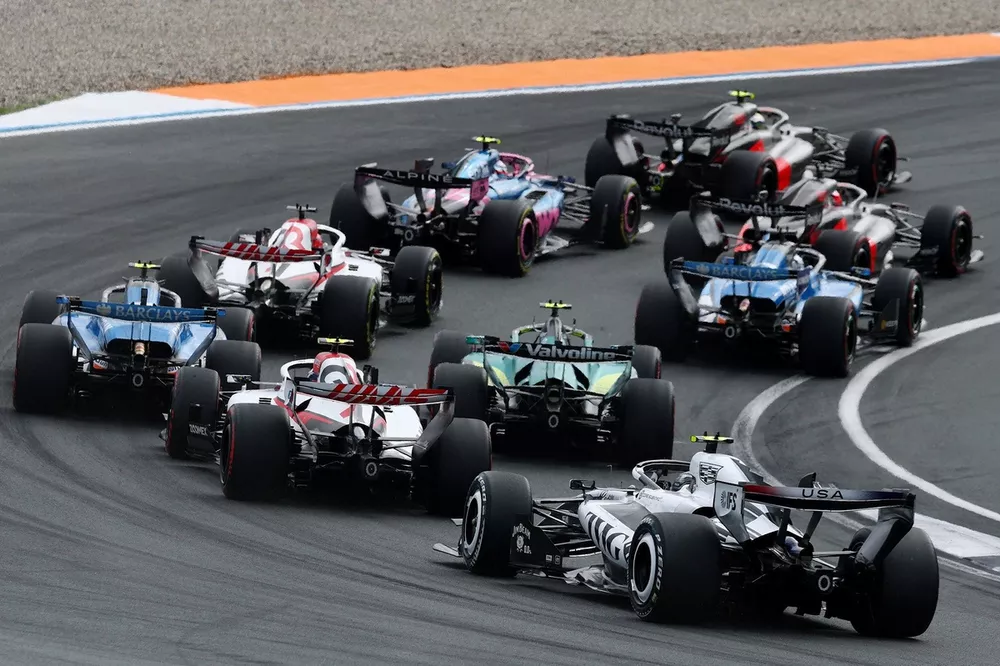
Formula 1 brings full 2026 grid to Hot Wheels Infinite Rush in first-ever F1 gaming crossover
-
Formula 1 ·
F1 Commission cuts 2027 race distances by 15km to manage new power unit fuel demands
-
 Formula 1 ·
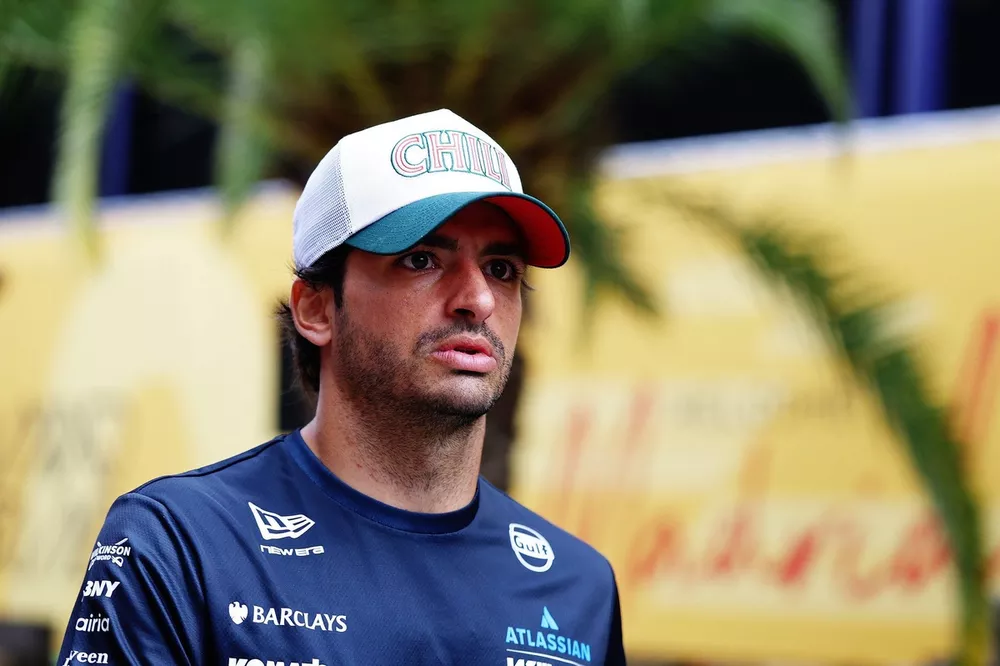
Sainz urges Williams karting prodigy Will Green to embrace risk in single-seater step
-
 Formula 1 ·
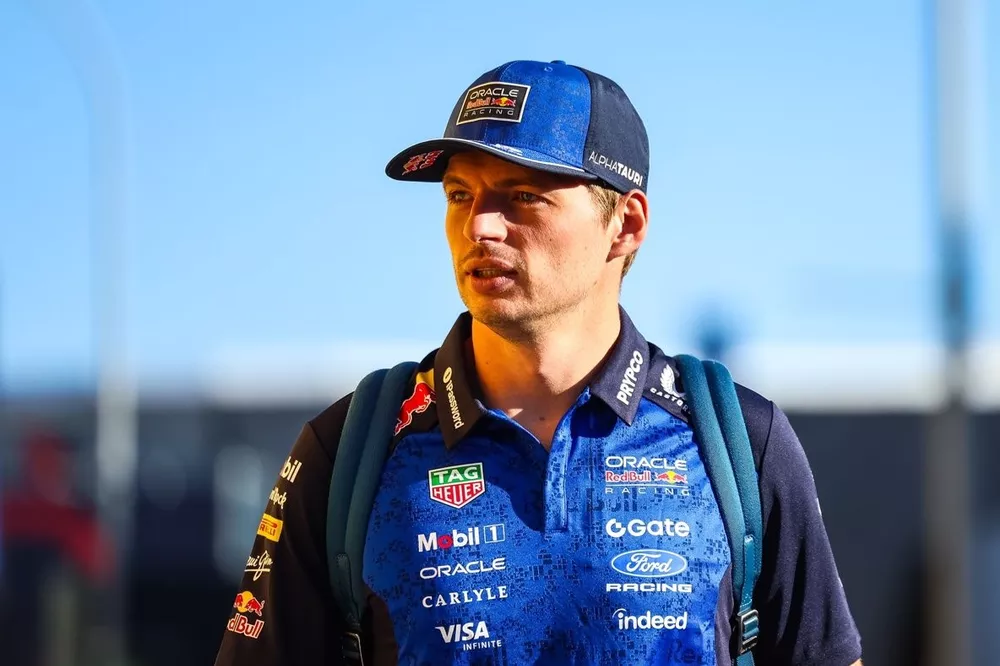
Steiner predicts Verstappen will go winless in 2026 as Red Bull struggles persist
-
 Formula 1 ·
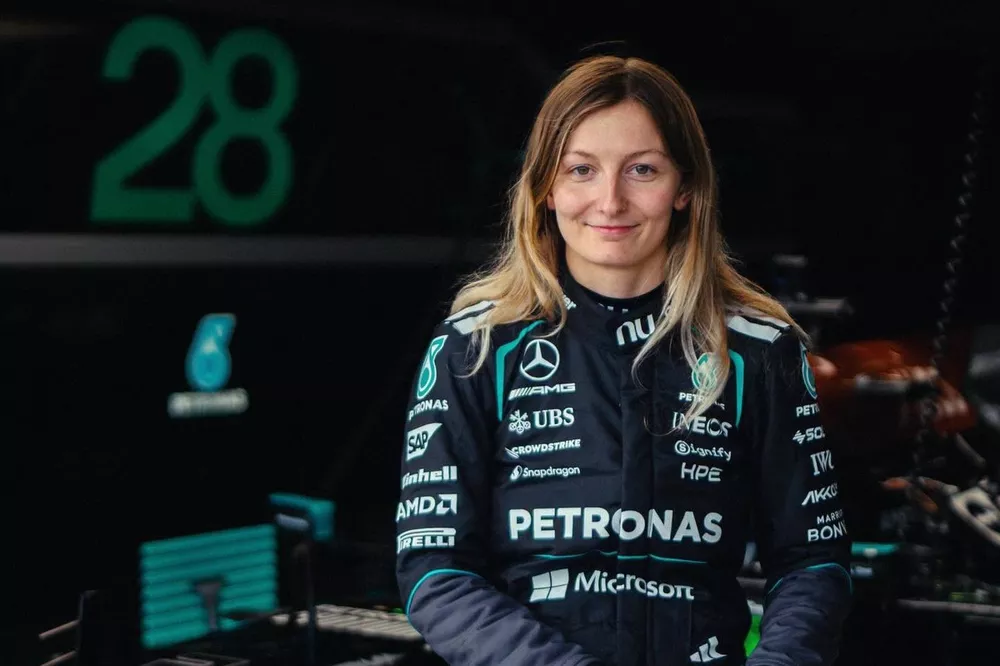
F1 Academy champion Doriane Pin targets Mercedes race seat within five years
-
 Formula 1 ·
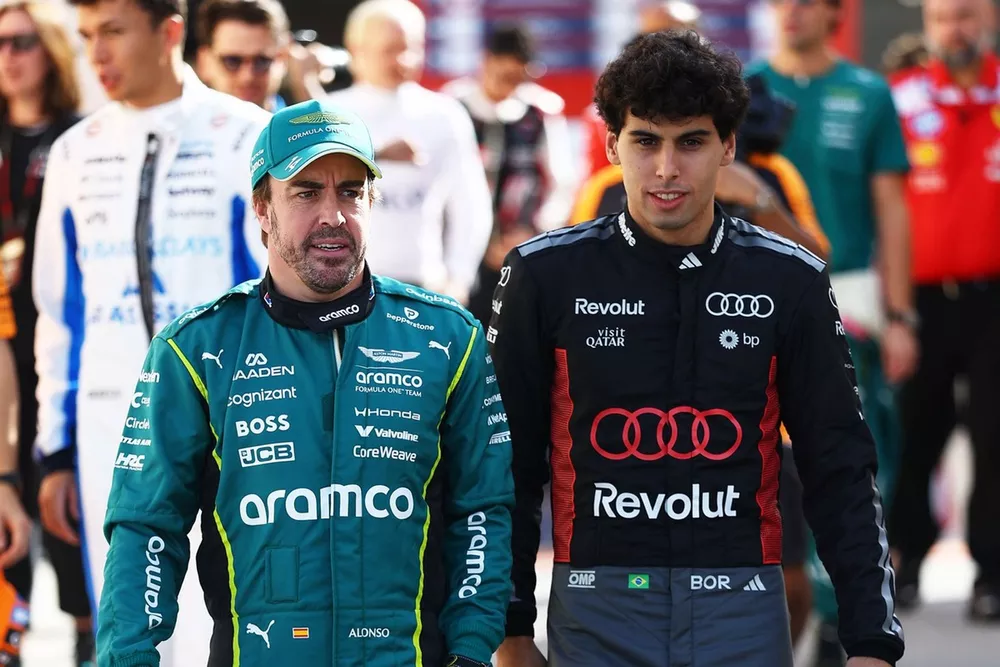
Bortoleto reveals Alonso is just as sarcastic and straightforward off camera as on it