Rennes sign Eliezer Mayenda for €22m, third most expensive transfer in club history
Stade Rennais have officially announced the signing of 21-year-old Spanish striker Eliezer Mayenda from Sunderland. The transfer fee stands at nearly €22 million excluding bonuses, with the player signing a contract through 2031.
1 min read
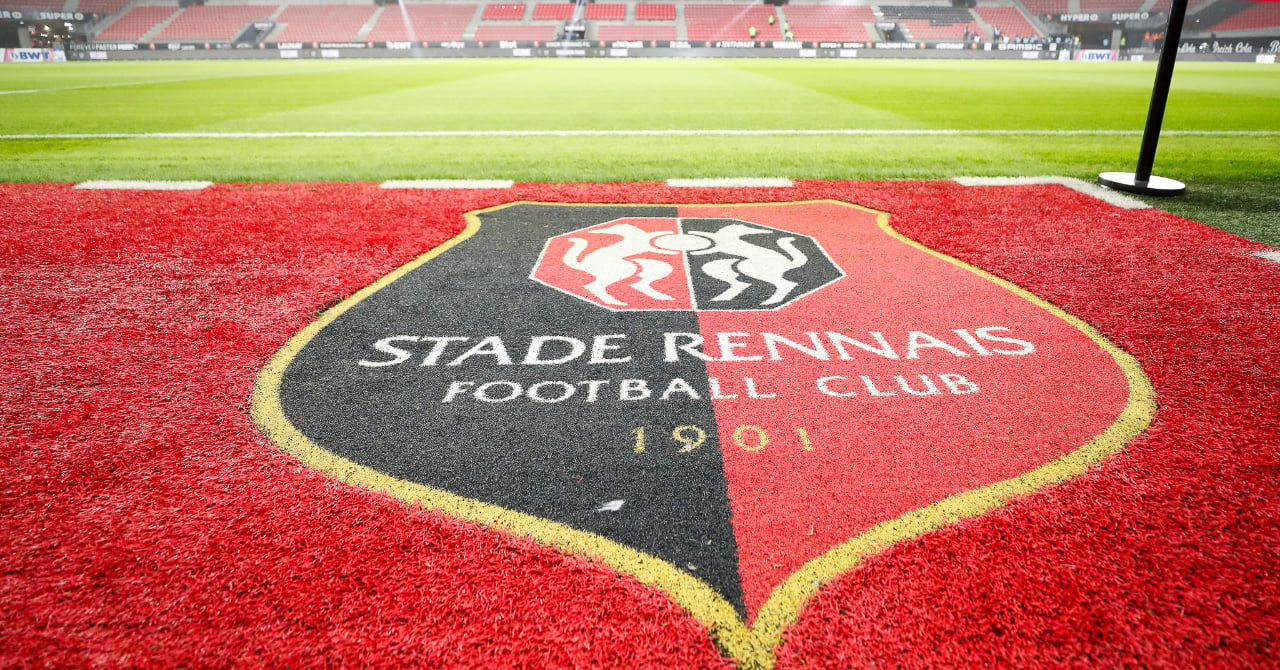
Stade Rennais have recruited Spanish striker Eliezer Mayenda from Sunderland for nearly €22 million excluding bonuses, the Breton club announced on Sunday. The 21-year-old Spanish youth international has signed a contract running through 2031, becoming the club’s third most expensive transfer in history, behind Amine Gouiri (€28m) and Jérémy Doku (€26m).
Formed at Sochaux before moving to English football, Mayenda made 20 Premier League appearances last season, scoring two goals. Nicknamed “Big Man”, he is described by the club as a striker capable of playing both centrally and on the flanks, with the ability to run in behind and dribble.
“I am very happy to join Stade Rennais, a big club we often talked about at Sochaux,” the player said. “I would describe myself as a complete striker who likes to run in behind, dribble, and take on defenders. I can’t wait to play at Roazhon Park and discover Ligue 1, an underrated championship.”
Sports director Loïc Désiré justified the signing: “We were looking for a quick striker capable of providing depth. Eliezer also has the ability to play on the flanks as well as centrally. He is a young player but one who has already experienced several championships in different countries. We know his potential. His mentality is exemplary — we received very good feedback on his attitude, and that is just as important as what he will demonstrate on the pitch.”
Read also
-
 Football ·
Portugal crushes Denmark (4-2) and turns the page on Ronaldo without regret
-
 Football ·
Ferguson recalls losing his voice after 2018 brain haemorrhage and emotional Old Trafford return
-
 Football ·
Manchester City face £800m rival lawsuit and HMRC probe as appeal deadline arrives
-
 Football ·
FC Nantes takeover: Saint-Étienne precedent raises doubts over Paulo Tavares
-
 Football ·
Thierry Henry backs Mbappé and Olise as top Ballon d'Or contenders
-
 Football ·
Free from Al-Ahli, Mahrez expected at Al-Shamal to revive his career in Qatar

 Congo DR