Norris warns F1 2026 energy rules are too demanding even on cool-down laps
Lando Norris has criticised the energy management burden imposed by Formula 1's 2026 technical regulations, arguing that the near 50-50 combustion-to-electric power split forces drivers to monitor battery levels constantly — including on cool-down laps where, he says, no such skill should be needed.
2 min read
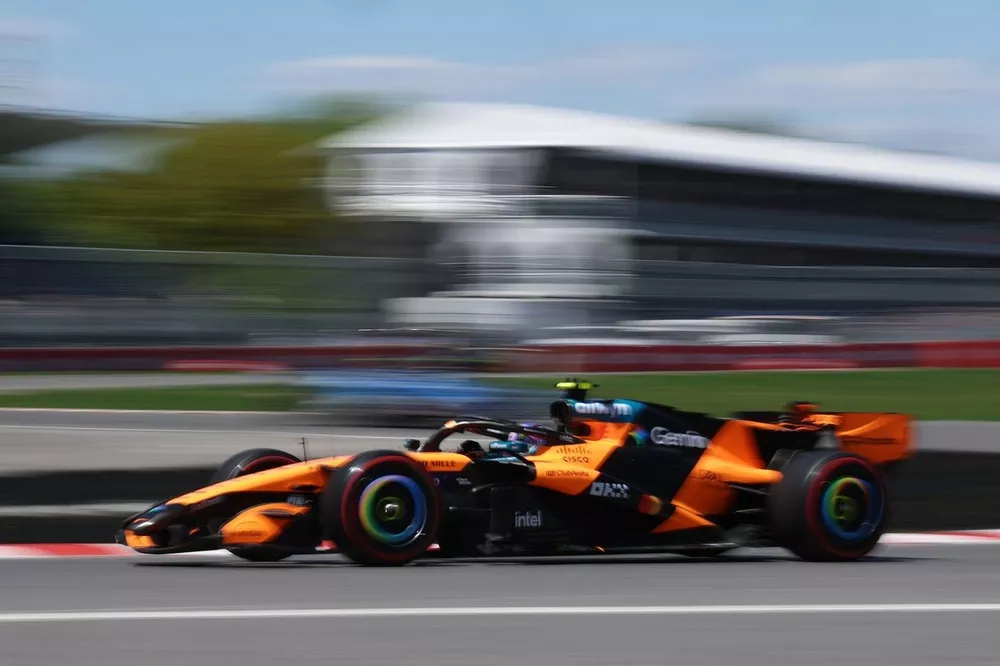
Lando Norris has raised concerns about the complexity of energy management under Formula 1’s 2026 regulations, arguing that the demands placed on drivers have become unreasonable — even during cool-down laps between qualifying runs.
The near 50-50 split between combustion and electric power means batteries must be carefully nursed throughout every lap to maximise performance. Circuits like Miami and Montreal compound the problem: both tracks feature extended full-throttle sections in the final sector before the start/finish line, meaning drivers must arrive at the start of a flying lap with a fully charged battery while also avoiding the penalties triggered by travelling too slowly on the out-lap.
“If you go too slow at times, you get penalised,” Norris said on Thursday at Circuit Gilles Villeneuve. “If you go too quick at times, you get penalised. It’s just difficult. You spend your laps not just looking at who’s behind you and where people are with blue flags and things like that. You spend half your time just looking at the dash trying to make sure you’re not going too quick, too slow and somewhere in between.”
Norris outlined how quickly the margins can collapse. Losing boost pressure on a corner exit, for instance, drains the battery and forces the driver to slow down — which in turn prevents the battery from recovering sufficiently before the lap begins. Blue-flag situations add another layer of difficulty: slowing for a lapped car and then reaccelerating draws further on the battery at precisely the wrong moment.
“Especially if we’re just on a cool-down lap — there should be no skill required for that kind of thing,” he said. “You have to be pretty skilled at nailing it. It’s one of the many things, of course, out of Miami that we reviewed, and we’ll try and do a better job on that.”
Despite those concerns, Norris recovered well during the Canadian Grand Prix weekend. He was sixth in the sole practice session, 1.4 seconds behind Mercedes’ Kimi Antonelli, but closed to within 0.315 seconds of sprint qualifying polesitter George Russell — a result he described as “a good surprise” after a difficult morning raised doubts about McLaren’s pace.
“After this morning, we were a little bit worried about how far off we were and more just the lack of confidence in the car,” Norris said. “But we made some tweaks, we changed some things and seemed to make a good improvement. So I’m happy with it. Positive turnaround and I’m proud of the team that we managed to do such a good job.”
McLaren arrived at Circuit Gilles Villeneuve with a comprehensive upgrade package covering the front and rear wings, engine cover, and rear suspension — changes that appeared to contribute to the team’s improved showing in sprint qualifying.
Read also
-
 Formula 1 ·
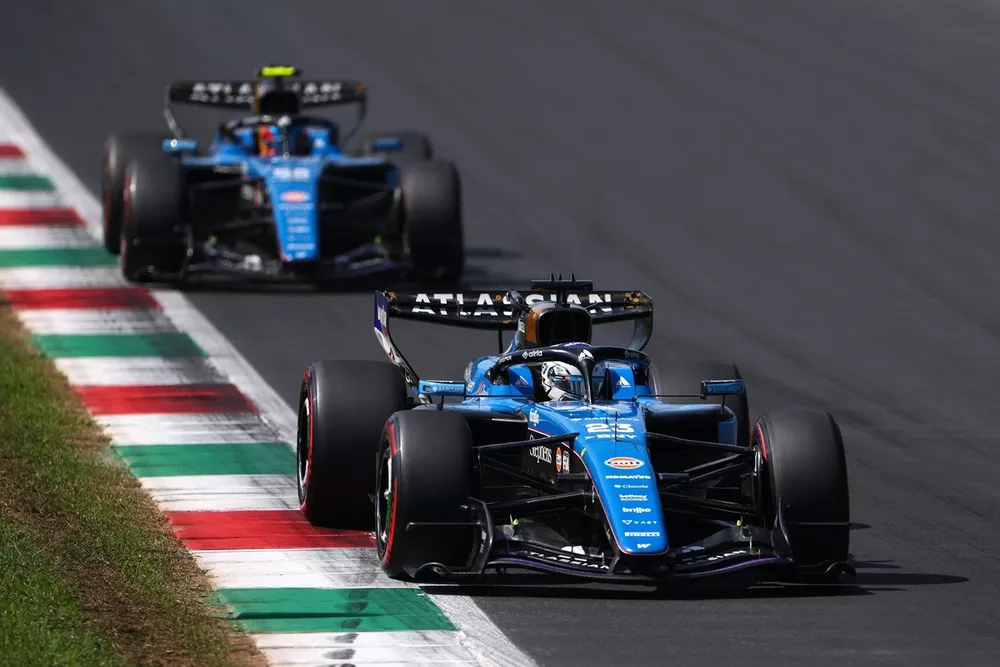
Vowles admits Williams upgrades won't rescue team from 2026 F1 struggles
-
 Formula 1 ·
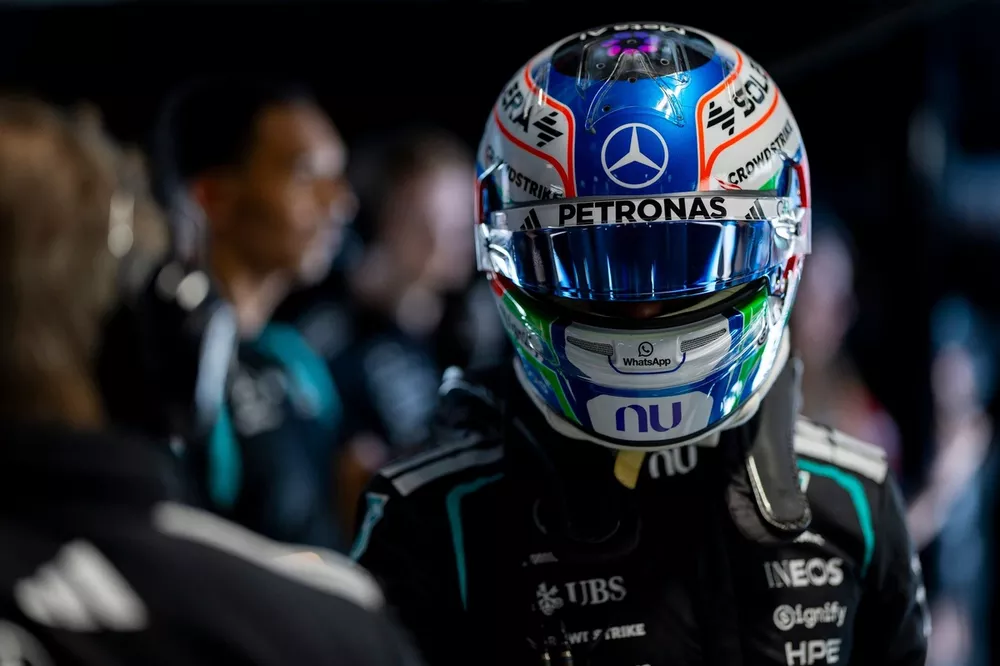
Mercedes' secret weekly codes helped Antonelli nail his race-winning VSC pitstop in Madrid
-
 Formula 1 ·
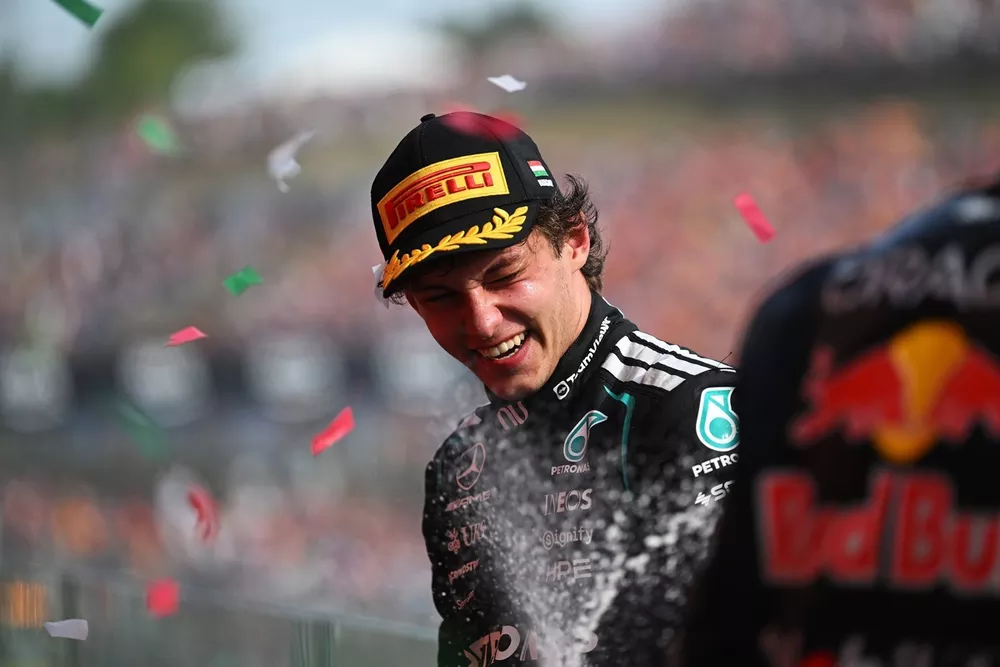
Rosberg warns Antonelli could grow 'panicked' if McLaren and Ferrari close the gap
-
 Formula 1 ·
Class-action lawsuit targets Cadillac F1 backer Mark Walter over alleged $17bn fraud scheme
-
 Formula 1 ·
Vowles hails Madrid's debut F1 race as 'one to watch' despite overtaking concerns
-
 Formula 1 ·
Mercedes shifts focus to 2027 as 145-point F1 lead gives Wolff room to plan ahead