Monaco GP results overturned again as McLaren, Red Bull and Mercedes challenge revised classification
The Monaco Grand Prix result remains unresolved nearly two weeks after race day. A faulty FIA pitlane timing system triggered a cascade of penalties, protests, and hearings that have already reshuffled the podium once — and could do so again.
2 min read
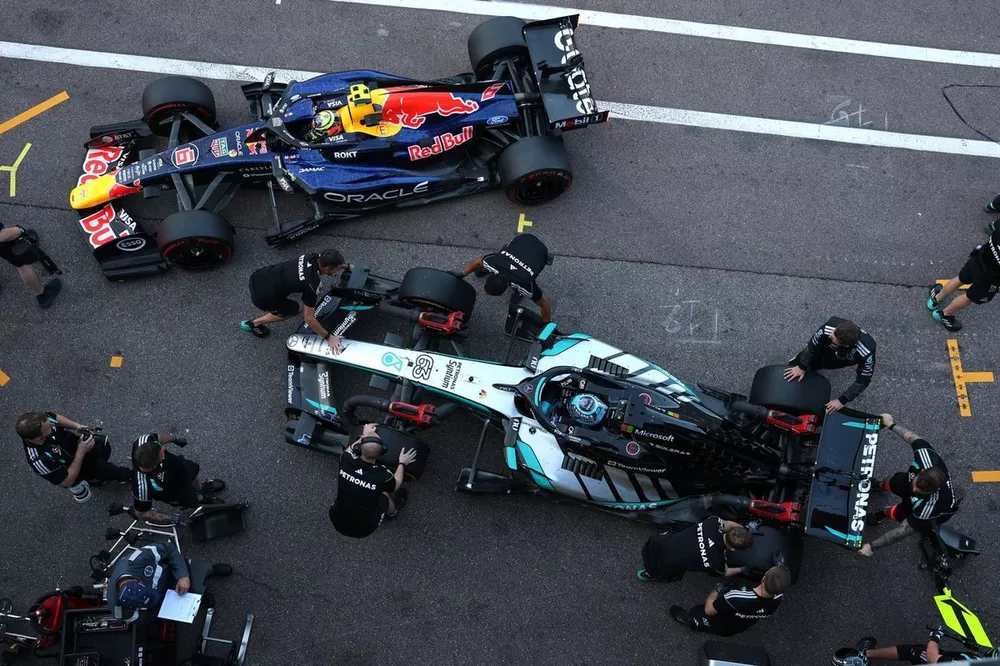
The Monaco Grand Prix, held on 7 June 2026, has produced one of Formula 1’s most protracted post-race controversies, with the final classification still unsettled after multiple hearings, protests, and a formal admission of error from Formula One Management.
Kimi Antonelli won the race and Lewis Hamilton finished second — those positions are not in dispute. The battle for third place, however, has become a legal labyrinth. Pierre Gasly crossed the line third but was demoted to seventh following penalties issued during the race. Red Bull’s Isack Hadjar was elevated to the podium as a result, only to be dropped back to fourth when the classification was revised again five days after the chequered flag. Further changes remain possible.
What went wrong
An unusually high number of pitlane speeding violations were recorded during the race. Five drivers — including Gasly on two separate occasions — received five-second penalties, all for exceeding the pitlane speed limit by no more than 0.4 km/h. Five of the six recorded infringements were just 0.1 km/h over the limit.
It only emerged days later that Formula One Management admitted the pitlane timing system had been configured incorrectly, raising serious questions about whether those penalties should ever have been applied.
Russell’s compounding problem
Among those penalised was George Russell, and his situation became significantly more complicated during the race itself. Under the regulations, a five-second penalty must be served by the team “losing” that time during the driver’s next scheduled pitstop. If no further stop takes place, the time is added to the final race result.
Russell chose to pit under a safety car period to serve his penalty — but Mercedes was not prepared for the stop and failed to follow the required procedure. That error earned Russell a second penalty, this time a drive-through, which ultimately dropped him out of the points entirely.
The legal cascade
Alpine triggered the process by requesting a Right of Review shortly after the race. When the revised classification was published five days later, rather than drawing a line under the matter, it opened the door to further challenges. McLaren and Red Bull filed formal protests, while Mercedes requested an additional review. A new hearing has been scheduled for Saturday.
The question of responsibility is contested. The FIA oversees the sporting regulations, but the pitlane timing infrastructure is operated by Formula One Management — meaning the body that issues penalties and the body that supplies the data used to justify them are separate entities. That distinction is likely to be central to the upcoming hearing.
With championship points at stake for multiple drivers, the outcome of Saturday’s proceedings could have consequences that extend well beyond Monaco’s harbour-front circuit.
Read also
-
 Formula 1 ·
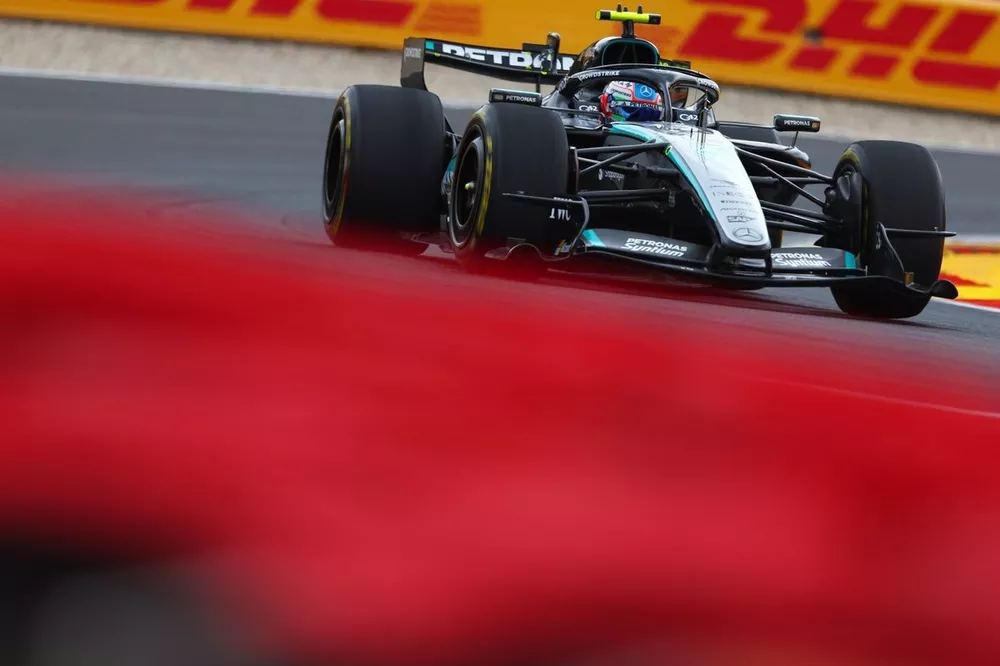
Antonelli leads Norris by two tenths in red-flag-hit Belgian GP practice
-
 Formula 1 ·
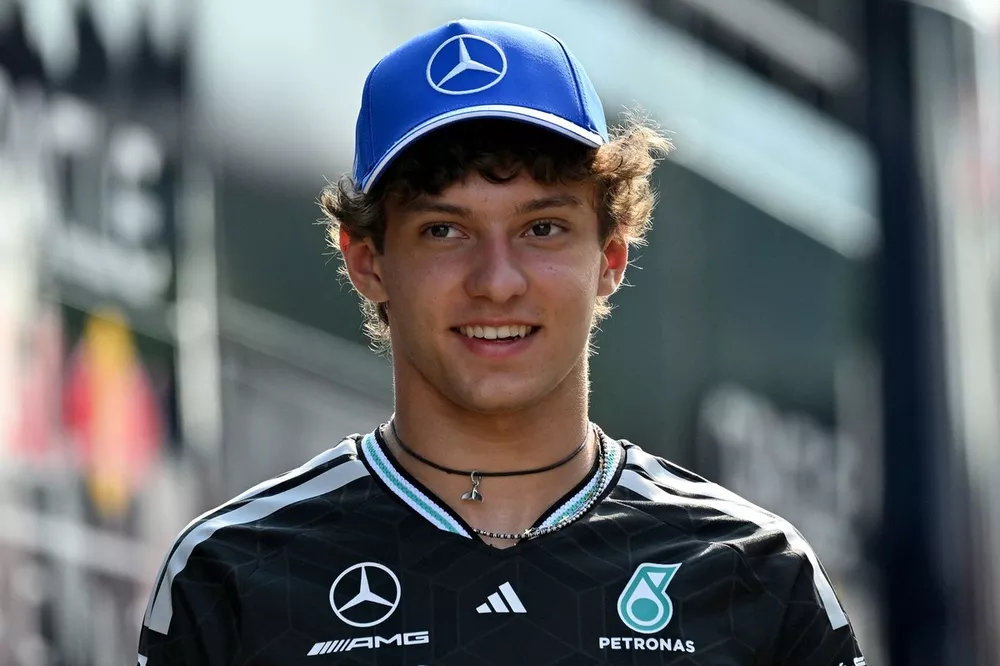
Championship leader Antonelli opens up on fame's pressures ahead of Belgian GP
-
 Formula 1 ·
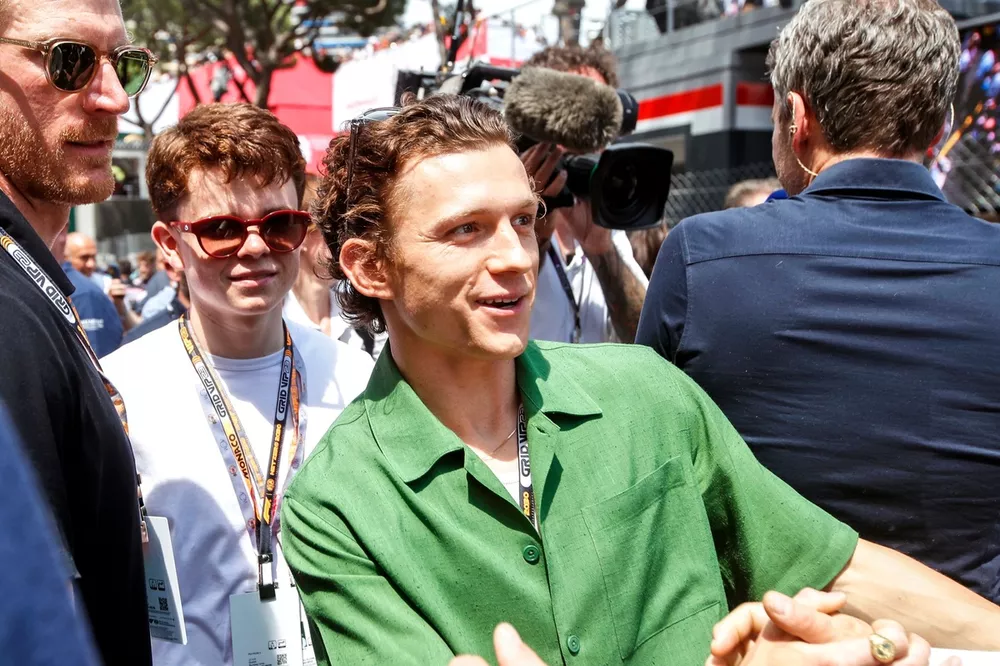
Ocon reveals Spider-Man helmet to Tom Holland ahead of Belgian and Hungarian GPs
-
 Formula 1 ·
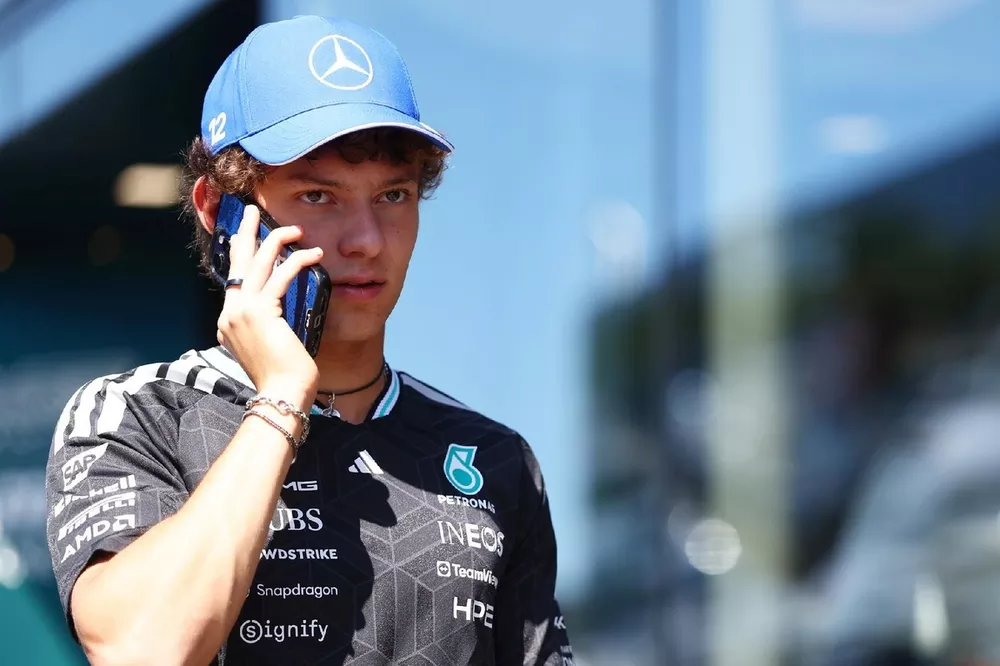
Montoya warns Antonelli that a shrinking points lead is a mental trap
-
 Formula 1 ·
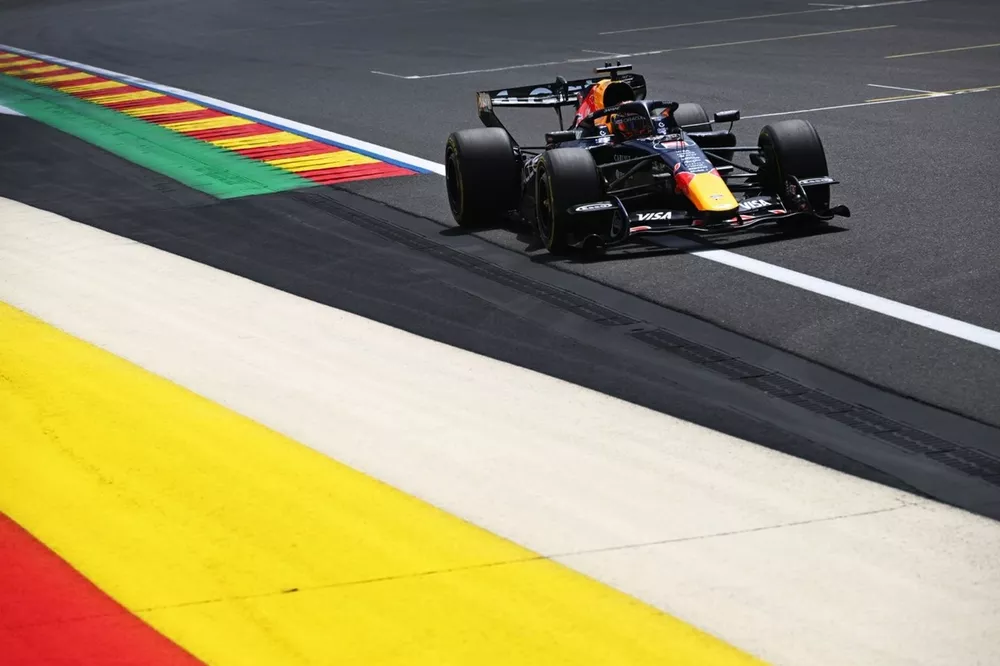
Verstappen edges Hamilton by a tenth to lead Ferrari-Red Bull battle in Belgian GP practice
-
 Formula 1 ·
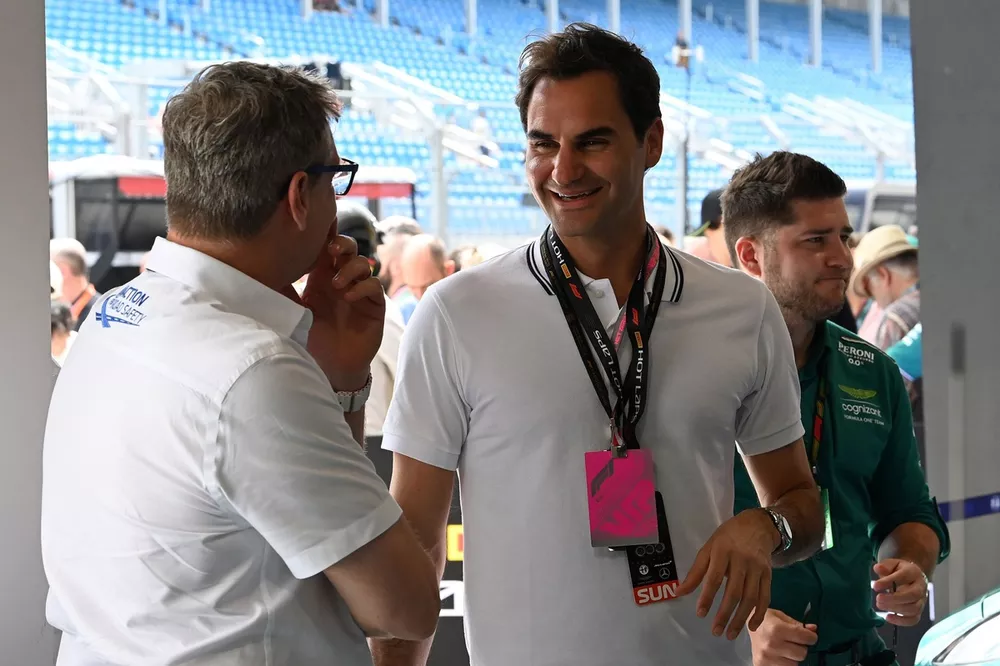
Championship leader Antonelli reveals Federer's pressure advice ahead of Belgian Grand Prix