Messi eligible for Ballon d'Or at 39, organisers officially confirm
Author of a decisive performance in the World Cup semi-final against England (2-1), Lionel Messi remains a credible candidate for the Ballon d'Or. The organisers have confirmed that playing outside Europe poses no obstacle to winning the trophy.
1 min read
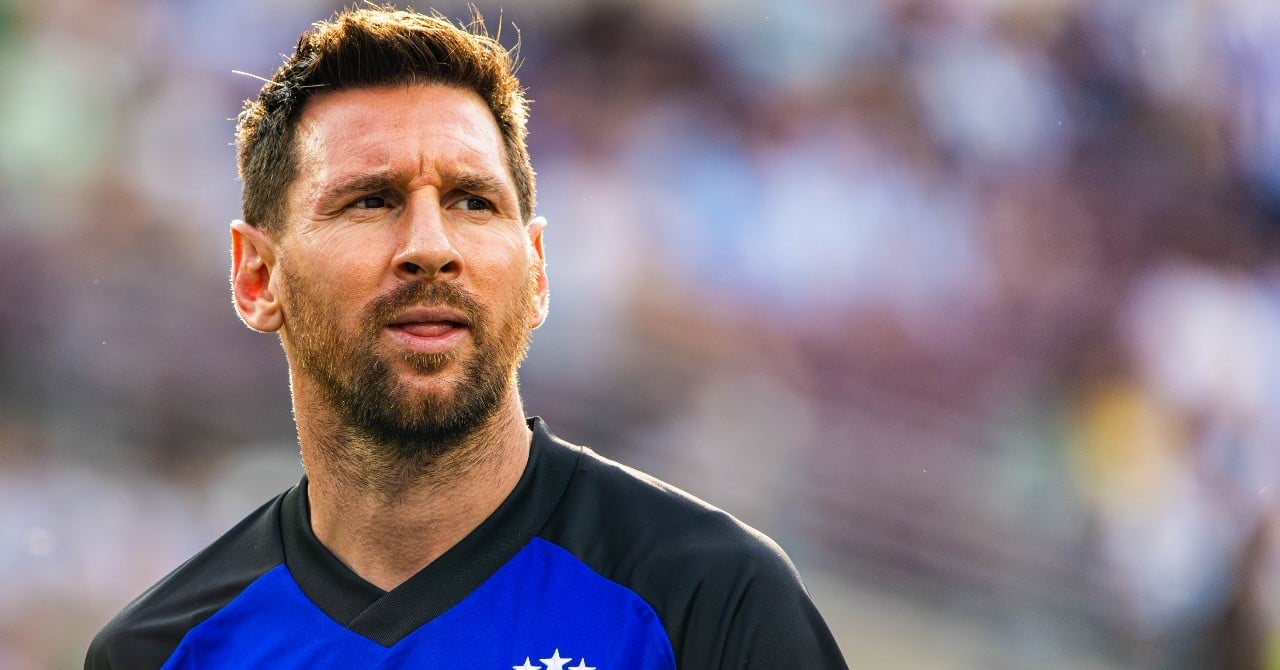
Lionel Messi, 39 years old and Inter Miami player, is officially eligible for the Ballon d’Or. The trophy organisers confirmed this the day after the World Cup semi-final, where the Argentine shone in victory against England (2-1).
The question of eligibility for players competing outside Europe has a long history. At its creation, the Ballon d’Or was reserved solely for European players competing on the Old Continent — which deprived Pelé and Diego Maradona of any chance of winning it. In 1995, the list of contenders was expanded to players of all nationalities competing in a European club: George Weah (Liberia) became its first non-European winner, followed two years later by Ronaldo (Brazil).
It was in 2007 that the last geographical restrictions were removed, opening the trophy to the world’s best player regardless of their league. A recent precedent illustrates this rule concretely: Messi was already playing for Inter Miami on 30 October 2023 when he received his eighth Ballon d’Or, even though he had spent most of the season in question at PSG.
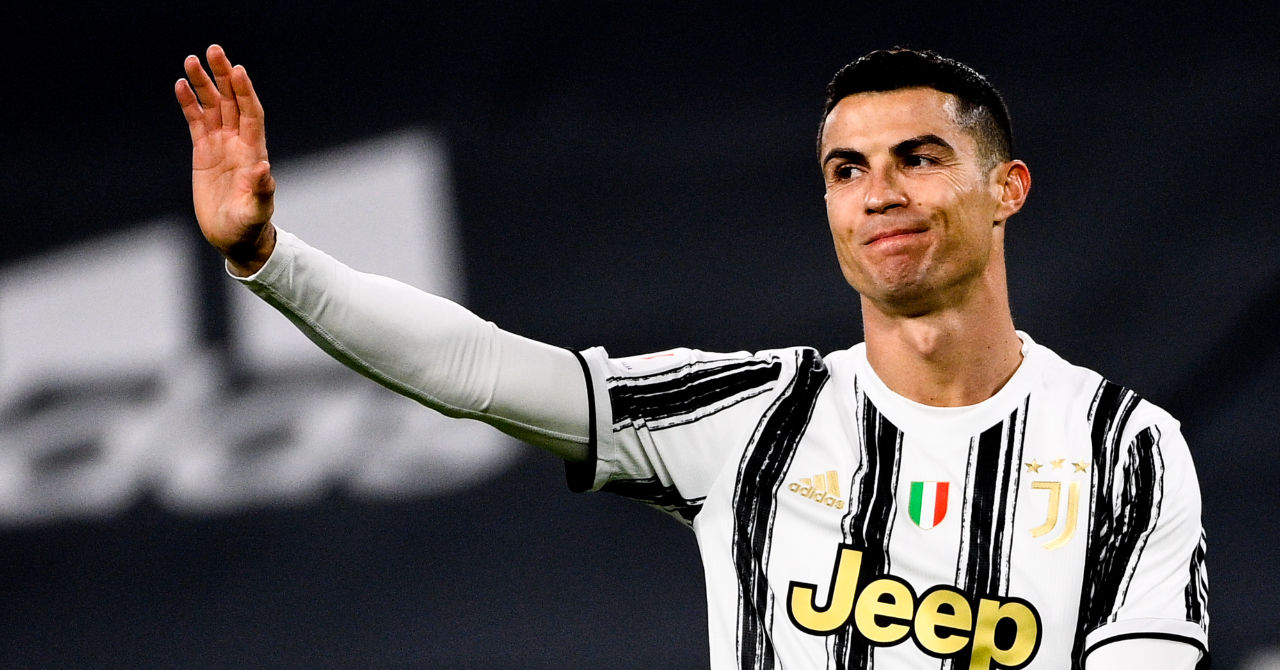
To illustrate its article on the subject, the Ballon d’Or chose a photo of Cristiano Ronaldo, the Al-Nassr striker, another player competing outside Europe. But if the question is being raised publicly today, it is precisely because Messi, in the event of Argentina winning the World Cup, would be in a position to pursue a ninth individual trophy.
Read also
-
 Football ·
Mancini breaks silence again on Man City's 115 charges and dual-contract claims
-
 Football ·
Belgium vs France: Zidane fields unprecedented lineup with Lepaul and Akliouche starting
-
 Football ·
Soriano tells rival club chiefs City's 115-charge legal battle will take 'a lot more time'
-
 Football ·
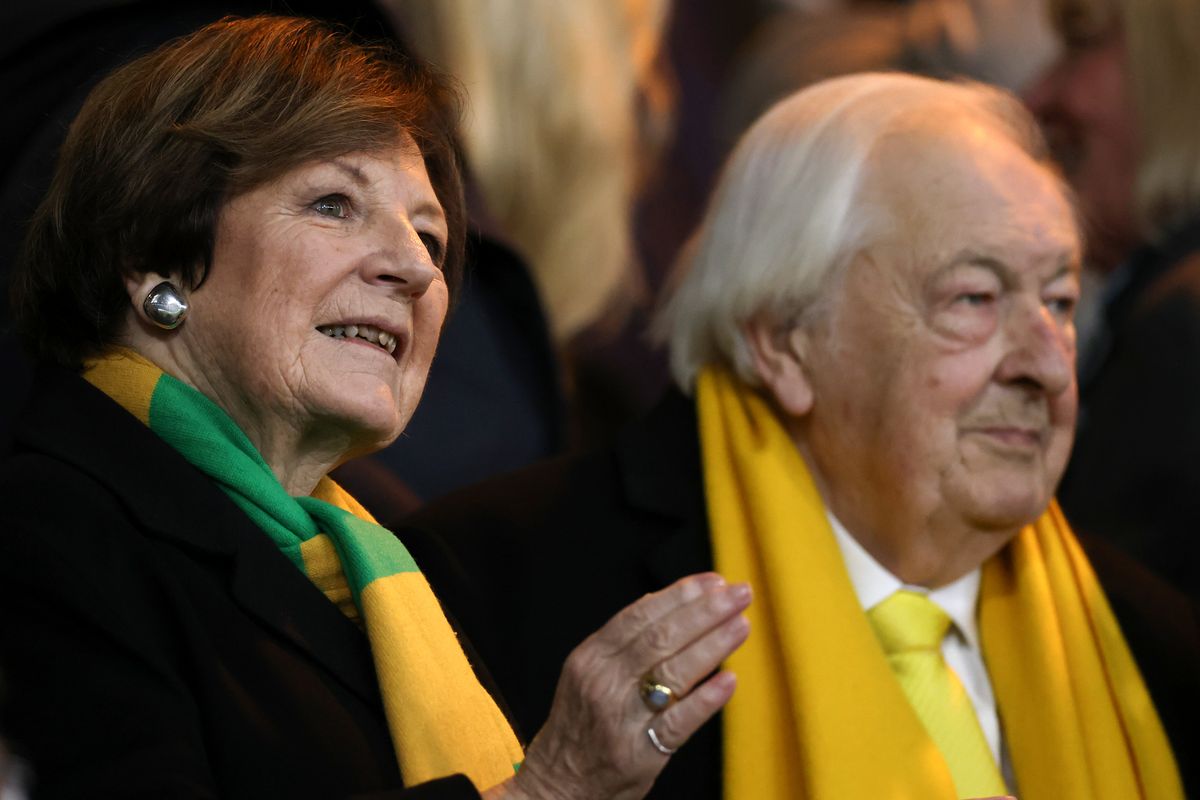
Norwich City mourn Michael Wynn Jones, former majority shareholder and Delia Smith's husband, at 85
-
 Football ·
Czech captain Krejčí vows to repeat 2019 shock as new boss Denia seeks England revenge
-
 Football ·
Matuidi reveals why Ronaldo impressed him more than all his other teammates
 Tajikistan