Mercedes pinpoints battery fault behind Russell and Antonelli's race-ending DNFs
Mercedes technical director James Allison has confirmed a battery module fault is responsible for George Russell's retirement while leading in Canada and Kimi Antonelli's DNF from second place in Barcelona, with a permanent fix now in development.
2 min read
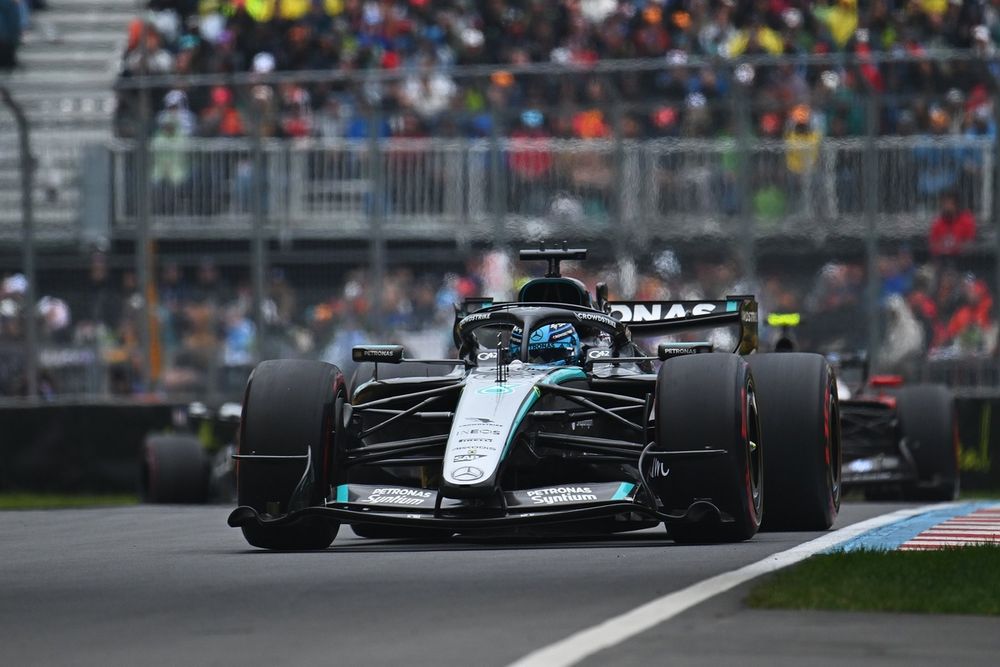
Mercedes has identified a recurring battery fault as the root cause of the retirements that have cost George Russell and Kimi Antonelli certain points finishes across the past two Formula 1 grands prix, with technical director James Allison confirming a permanent fix is being phased in.
Russell was leading the Canadian Grand Prix when his car failed last month, while Antonelli was running second in Barcelona last weekend before suffering the same fate. Both retirements have been traced to the same broad area of the power unit’s battery module.
“They’re not all identical, but they do sort of originate in the same broad part of the battery,” Allison said. “I think that most of the areas of risk have been understood. And with a bit of luck, when we start to sort of phase in the new modules into the racing season — we call the battery ‘the module’ — then our fortunes as a fleet should pick up. Obviously for us, that’s an important thing. These DNFs are very, very painful.”
The issue appears to extend beyond the works team. Customer squad McLaren has also endured a run of electrical trouble this season: Lando Norris required a battery change during the Monaco Grand Prix weekend and subsequently retired from the race, with power unit settings cited as the cause. Both Norris and Oscar Piastri also failed to start the Chinese Grand Prix due to separate electrical faults. Allison stopped short of directly linking McLaren’s problems to the same fault affecting the works cars.
Team principal Toto Wolff had spoken urgently after the Barcelona race, warning that Mercedes could not afford further retirements in the fight for the world championships and pledging to “leave no stone unturned” to find the cause.
Allison acknowledged that some degree of failure is an unavoidable reality in a sport that pushes components to their limits, but was clear that race-day DNFs represent a breakdown in the team’s processes.
“You accept that there will be failure. We try to make sure that failure happens in testing or on rigs and that it happens as little as possible when you’re out there trying to earn championship points,” he said. “Now, clearly it doesn’t always work because occasionally the car will DNF and that is definitely a failure of our process.”
With new battery modules set to be introduced progressively during the remainder of the season, Mercedes will be hoping the reliability picture improves before further damage is done to either the constructors’ or drivers’ championship standings.
Read also
-
 Formula 1 ·
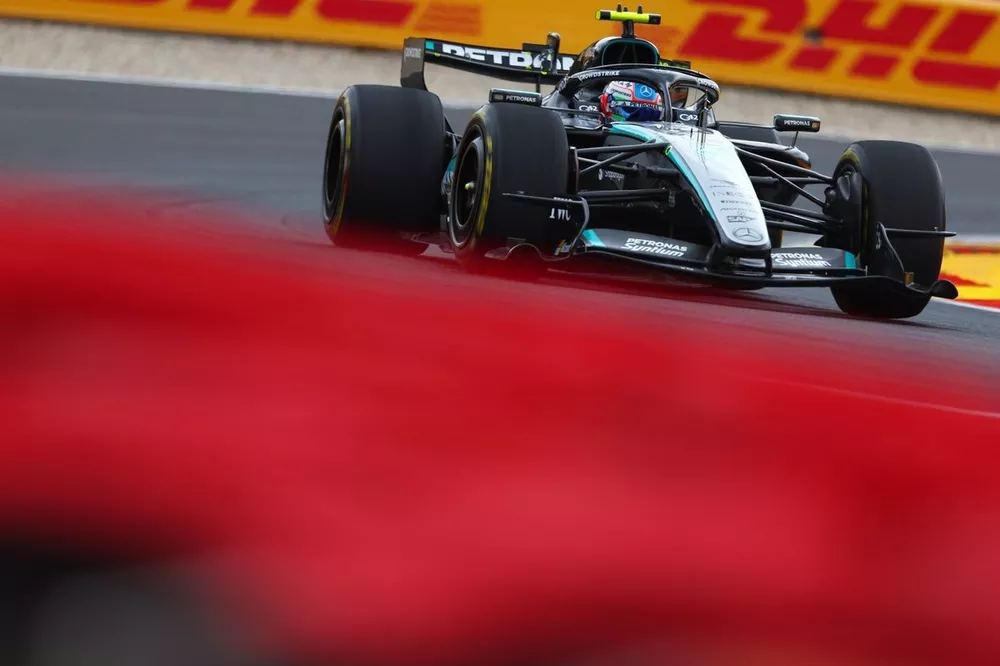
Antonelli leads Norris by two tenths in red-flag-hit Belgian GP practice
-
 Formula 1 ·
Championship leader Antonelli opens up on fame's pressures ahead of Belgian GP
-
 Formula 1 ·
Ocon reveals Spider-Man helmet to Tom Holland ahead of Belgian and Hungarian GPs
-
 Formula 1 ·
Montoya warns Antonelli that a shrinking points lead is a mental trap
-
 Formula 1 ·
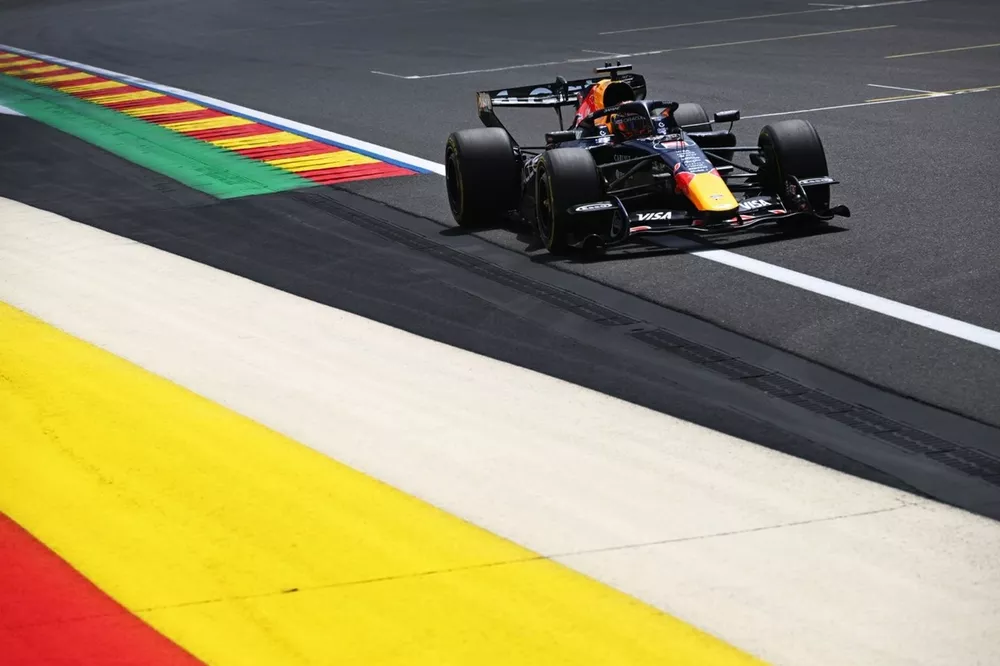
Verstappen edges Hamilton by a tenth to lead Ferrari-Red Bull battle in Belgian GP practice
-
 Formula 1 ·
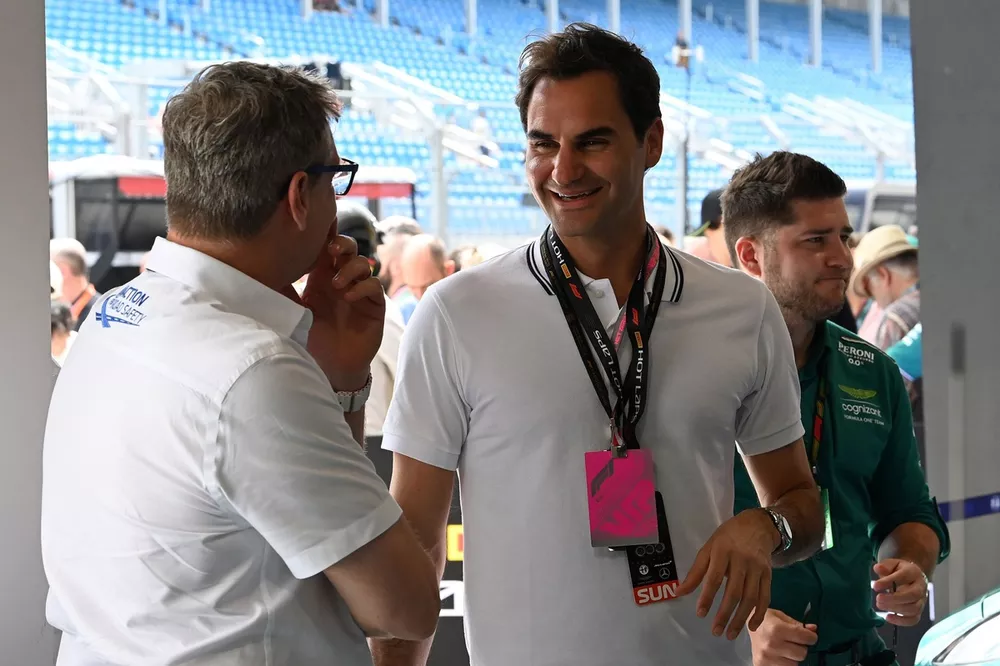
Championship leader Antonelli reveals Federer's pressure advice ahead of Belgian Grand Prix