McLaren's final 2026 upgrades target suspension and aero as MCL40 struggles persist
McLaren has introduced the first elements of its final upgrade package of the 2026 season at the United States Grand Prix, targeting revised suspension geometry and a new aerodynamic philosophy to address the MCL40's persistent slow-corner and straight-line speed weaknesses.
2 min read
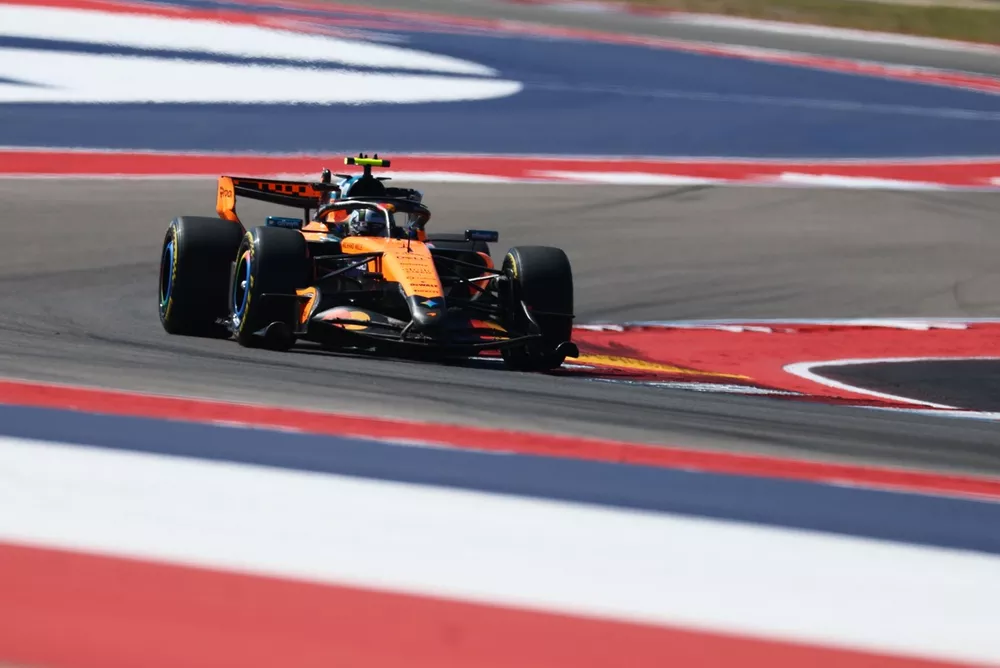
McLaren arrived at the United States Grand Prix in Austin with the opening salvo of what will be its last upgrade package of the 2026 Formula 1 season, aiming to fix fundamental problems with the MCL40 that have eroded the team’s competitiveness since a brief mid-season resurgence. The remaining elements are due to be rolled out in stages through to the Las Vegas GP.
Lando Norris’s two wins in the middle of the campaign now look more like an isolated purple patch than the start of a sustained recovery. Speaking after practice in Austin, the reigning world champion was candid about the car’s limitations. “To get the car to be quick, we just have to try so hard to be perfect, and you cannot be perfect,” he said. “We’re just a step behind.”
The MCL40 has developed a reputation as an exceptionally demanding machine. By mid-season the team had made genuine progress through high-speed corners, but slow-corner performance and straight-line speed have remained stubborn weaknesses, compounded by a nervous, unpredictable character that forces its drivers to work at the absolute limit of concentration on every lap.
“It’s just on a knife edge on every single corner,” Norris said after the Singapore GP. “You’ve just got to drive it within an exact percent, and you have to force the car in every single way. You can’t let the car do any work. You’ve got to force the front; you’ve got to force the rear. It’s just full-on and mentally draining because of how hard you have to work behind the wheel.”
The difficulty, Norris explained, is particularly acute in qualifying, making the pole positions the team secured in Hungary, the Netherlands and Spain feel all the more remarkable in hindsight.
The root of the slow-corner problem extends beyond aerodynamics alone. McLaren has been running a high degree of anti-squat and anti-dive geometry in the suspension — a configuration that stabilises the car’s aerodynamic platform but suppresses the tactile feedback a driver receives about grip levels at each axle. For Norris, whose driving style relies heavily on sensing precisely when the front tyres pick up lateral grip mid-corner to help rotate the car, the loss of that information is particularly costly.
The revised suspension geometry in the new package is designed to address exactly that trade-off, alongside a shift in aerodynamic philosophy intended to make the car less of a high-wire act. Whether the changes arrive in time to meaningfully alter McLaren’s trajectory before the season closes in Las Vegas remains to be seen.
Read also
-
 Formula 1 ·
Horner says he could walk away from F1 for good after Red Bull sacking
-
 Formula 1 ·
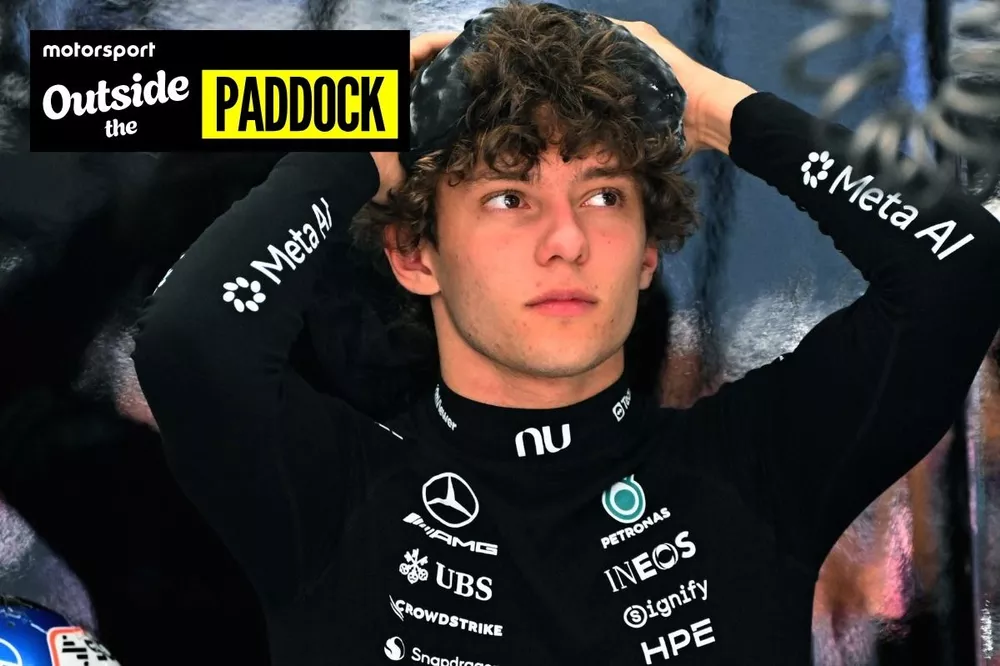
Antonelli rookie card fetches $878,400 as 20-year-old closes in on F1 title
-
 Formula 1 ·
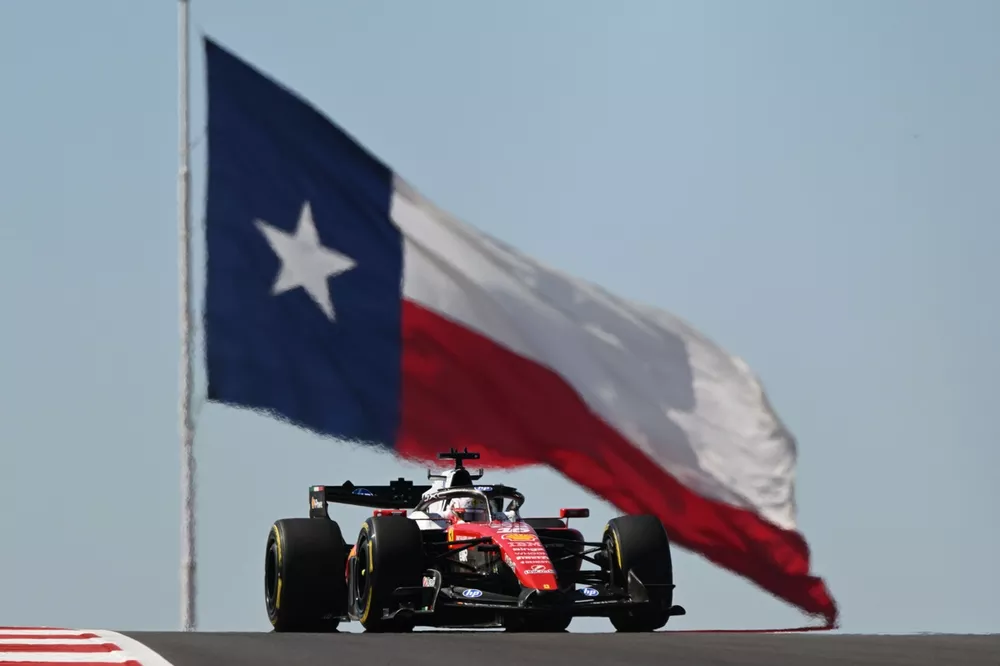
Leclerc tops both practice sessions at COTA as McLaren's grip woes leave Norris and Piastri adrift
-
 Formula 1 ·
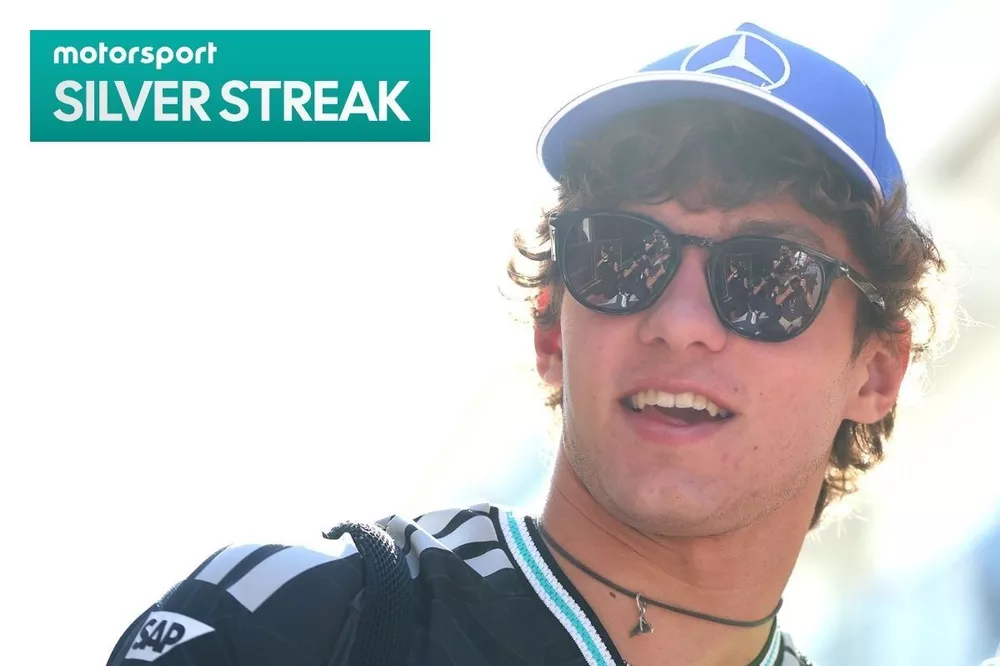
Antonelli, 20, can break Vettel's youngest-champion record at the US Grand Prix
-
 Formula 1 ·
Hamilton admits Red Bull built the best F1 engine despite all his doubts
-
 Formula 1 ·
Norris admits 'plenty of telling-offs' from McLaren after Singapore clash with Piastri