Mbappe dropped by Chinese brands after joking about Mao Zedong in viral video
Kylian Mbappe has been cut by several Chinese sponsors after a video emerged of him referring to Mao Zedong as 'some guy — I think he's a Chinese dictator'. State media also reported that public TV suspended broadcasts of La Liga matches.
2 min read
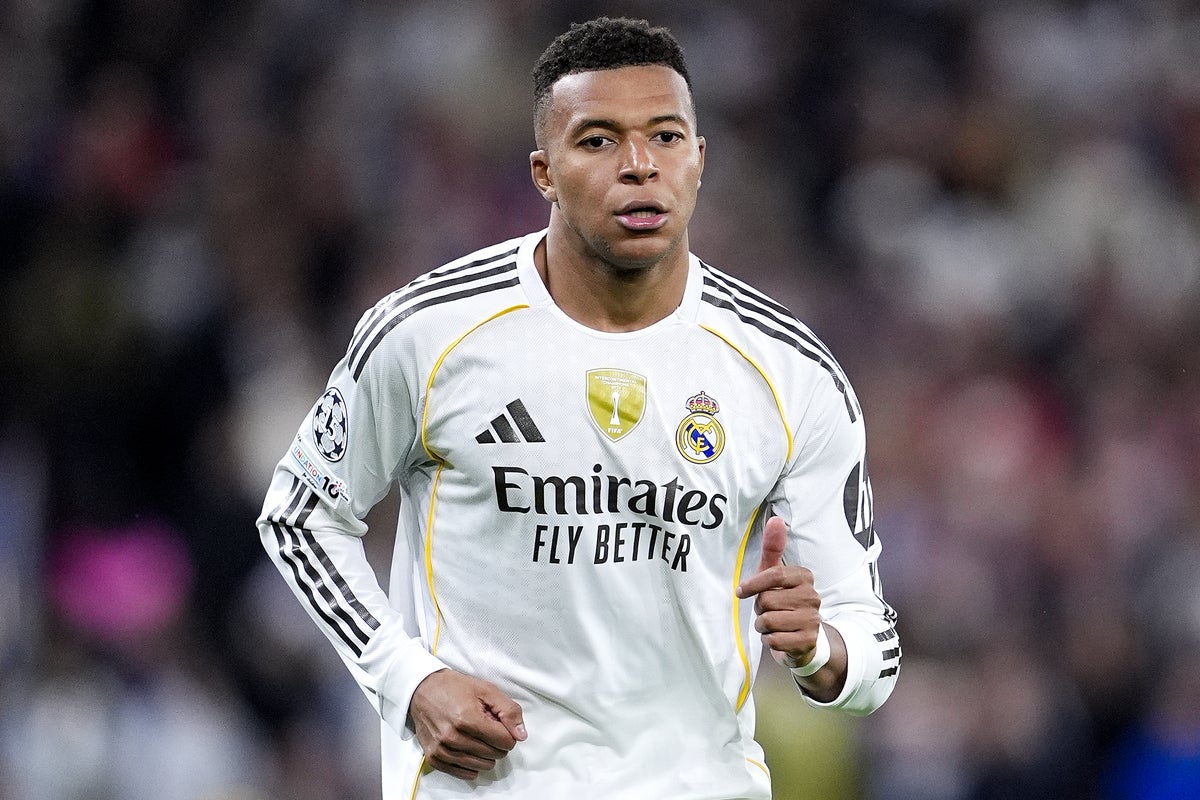
Kylian Mbappe has been dropped by multiple Chinese brands after a video went viral in which the Real Madrid forward appeared to joke about Mao Zedong, triggering a swift commercial and broadcast backlash.
The footage shows Mbappe describing a meme in which his face was photoshopped onto an image of Mao, saying the image featured “some guy — I think he’s a Chinese dictator.” The clip spread rapidly online, prompting several Chinese sponsors to sever ties with the French international.
The fallout extended beyond sponsorship deals. State-run digital newspaper The Paper reported that public television suspended broadcasts of La Liga matches — the competition in which Mbappe plays for Real Madrid — suggesting the consequences could reach well beyond his personal endorsement portfolio.
Mbappe is far from the first global name to face a Chinese backlash over perceived slights on political or cultural sensitivities. The pattern stretches back years and spans fashion houses, hotel chains, and luxury brands.
Dolce & Gabbana cancelled a planned Shanghai show in 2018 after ads depicting a Chinese woman struggling to eat pizza and spaghetti with chopsticks drew widespread criticism from celebrities and on social media. That same year, Marriott apologised after a customer survey listed Tibet, Hong Kong, Macau, and Taiwan as separate countries, prompting an investigation by Shanghai authorities, while Mercedes said sorry for quoting the Dalai Lama in an Instagram post.
In 2019, a wave of fashion brands faced similar pressure. Coach and Givenchy lost their Chinese brand ambassadors over products that identified Taiwan and Hong Kong as countries. Versace ambassador Yang Mi ended her partnership with the label after a T-shirt carried the same implication; the brand said it had destroyed the offending stock. Christian Dior apologised after a presentation slide excluded Taiwan from a map of China.
More recently, Swiss watchmaker Swatch apologised in August 2025 and removed ads featuring a model making a “slanted eye” gesture that was widely condemned as racist.
In 2017, model Gigi Hadid and singer Katy Perry were denied entry to China ahead of the Victoria’s Secret Shanghai fashion show, with Chinese authorities citing their perceived support for Taiwan as the reason.
The recurring nature of these incidents underlines how quickly commercial relationships in China can unravel when public figures or brands are seen to challenge the country’s political sensitivities — whether intentionally or not.
Read also
-
 Football ·
Copa del Rey: Sixteen Liga clubs enter in first round, Barcelona and Real Madrid exempt
-
 Football ·
Harry Kane becomes first English Ballon d'Or winner in 25 years ahead of Wembley return
-
 Football ·
Carabao Cup quarter-final draw set as Arsenal, Liverpool, Chelsea and City chase last eight
-
 Football ·
Neville admits surprise as Manchester United keep faith in Carrick after Bournemouth thrashing
-
 Football ·
Neville 'surprised' United kept Carrick after 16th-place slump and 3-0 home loss
-
 Football ·
Dembélé predicts Ballon d'Or for Maza and fuels PSG transfer rumours