Krylov vs. Yakhyaev leads UFC 333 fastest-finish odds ahead of Abu Dhabi card
With UFC 333 set for Etihad Arena in Abu Dhabi on October 24, Nikita Krylov vs. Abdul-Rakhman Yakhyaev has opened as the -200 favourite to produce the fastest finish on a nine-fight prop list, while the two title bouts carry the longest odds.
1 min read
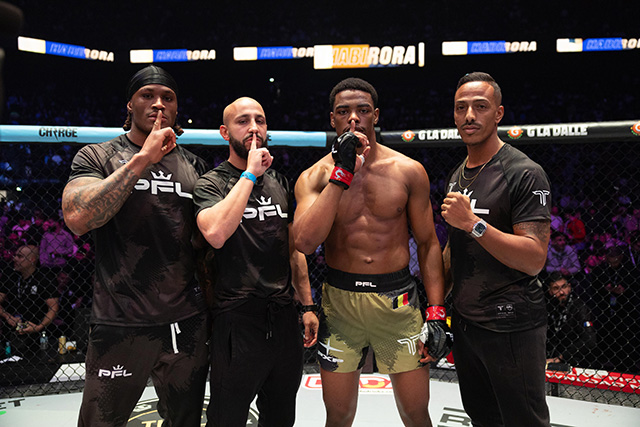
Nikita Krylov vs. Abdul-Rakhman Yakhyaev is the clear favourite to produce the fastest finish at UFC 333, listed at -200 in the fastest-finish prop market ahead of the October 24 card at Etihad Arena on Yas Island in Abu Dhabi.
Dominick Reyes vs. Azamat Murzakanov sits second in the market at +200, with Aaron Pico vs. Losene Keita third at +300. Further down the list, Lone’er Kavanagh vs. Ramazonbek Temirov is priced at +500 and Abus Magomedov vs. Cameron Rowston at +550, while Alexander Volkov vs. Rizvan Kuniev and Grant Dawson vs. Nurullo Aliev are both available at +1000.
The event’s two championship bouts carry the longest odds in the market. Alexander Volkanovski vs. Movsar Evloev is listed at +1600, while Petr Yan vs. Merab Dvalishvili — their third meeting — sits at the bottom of the board at +2500, reflecting the expectation that both title fights will go deep into the championship rounds.
Beyond the fastest-finish prop, an over/under of 7.5 has been set for the total number of bouts to end inside the distance across the full UFC 333 card — a line that underscores just how finish-heavy the event is expected to be.
UFC 333 features nine listed matchups in the prop market, spanning the main card and undercard, with the Krylov-Yakhyaev bout standing out as the contest oddsmakers most expect to end quickly and emphatically.
Read also
-
MMA ·
Pereira admits Pavlovich is tougher than Hokit after UFC matchmaking frustration
-
MMA ·
Yan vows to expose 'new layers' as UFC 333 bantamweight trilogy looms in Abu Dhabi
-
 MMA ·
Danis reveals McGregor was in 'a dark place' after ACL ends UFC 329 comeback
-
MMA ·
Unbeaten Evloev vows to expose Volkanovski ahead of UFC 333 featherweight title shot
-
MMA ·
Allen and Chimaev agree to fight each other only if UFC middleweight gold is at stake
-
 MMA ·
Jon Jones saw Topuria as first real GOAT threat before Gaethje stopped him

 China PR U17 W
