Gasly snatches first F1 pole at Monza as Alpine's revived folding wing pays off
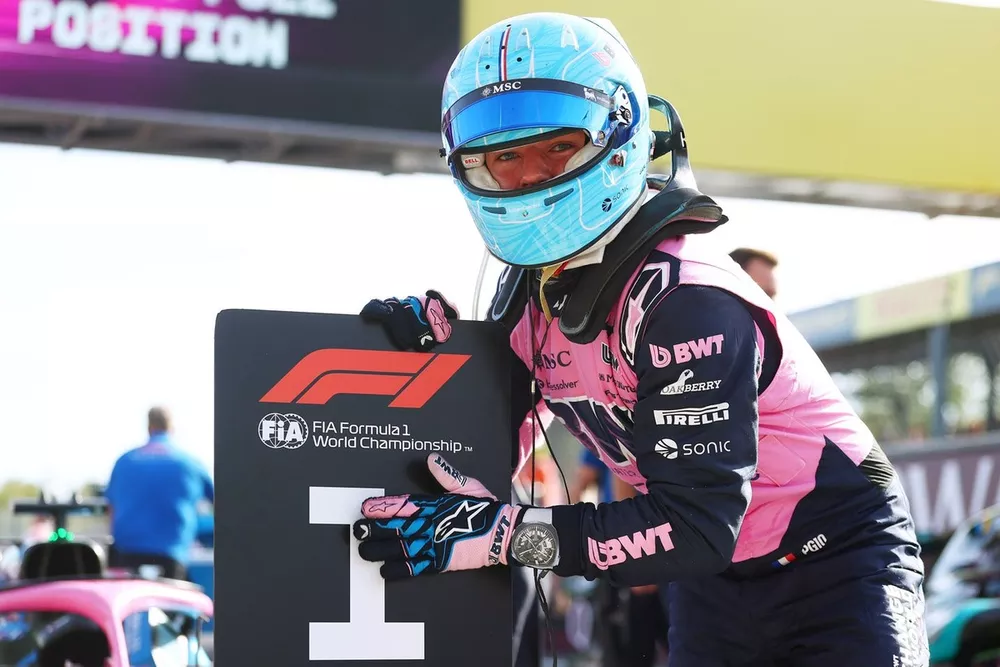
Pierre Gasly claimed the first pole position of his Formula 1 career at Monza, six years after winning the Italian Grand Prix with AlphaTauri. Alpine's low-downforce package included a revived folding rear wing that had been shelved after the first three races of the 2026 season.
2 min read
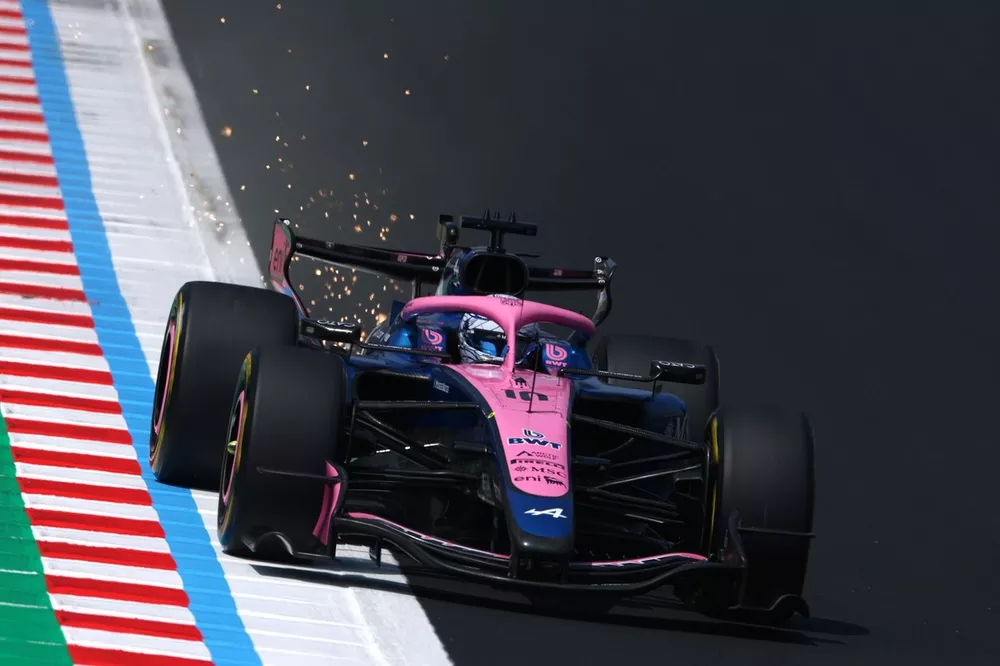
Pierre Gasly took the first pole position of his Formula 1 career at Monza, delivering a result that even Alpine had not anticipated heading into Saturday qualifying. The Frenchman’s achievement came six years after his famous victory at the same circuit with AlphaTauri, in what remains one of the most unpredictable races in the sport’s history.
Alpine had entered qualifying with a target of simply reaching the top ten, a goal that appeared realistic based on free practice form that showed the team trading blows with Racing Bulls and, intermittently, Audi. The final classification far exceeded those expectations.
The pole was not simply a product of fortune, though the slipstreaming dynamics at Monza inevitably played a role. George Russell, who realistically had the pace to challenge at the very front, was compromised on his final flying lap after an incident with Max Verstappen, leaving a gap that Alpine seized. The team’s ability to capitalise on that opportunity was underpinned by genuine pace.
Central to that pace was Alpine’s low-downforce configuration for the A526, which generates comparatively little aerodynamic drag along Monza’s long straights. The package also featured the return of a distinctive technical solution: a rear wing that opens in reverse, causing both flaps to collapse rather than lift in the conventional manner.
This folding wing had first appeared during pre-season testing and featured across the opening three rounds of the 2026 season — Australia, China, and Suzuka — before being set aside in favour of a more conventional DRS-style mechanism. Its reappearance at Monza was a deliberate choice tied to the circuit’s unique demands.
Alongside the wing’s return, Alpine stripped away the additional actuator structures that had been added to generate more aerodynamic load at higher-downforce venues. Notably, Alpine had been the first team this season to introduce dedicated structures around the wing-opening mechanism at Suzuka, a development that was subsequently adopted across the rest of the grid. At Monza, those elements were deemed unnecessary and removed, effectively returning the assembly to its original specification.
The combination of low drag, the revived wing design, and Gasly’s execution in the final moments of qualifying produced a result that surprised the team as much as the rest of the paddock.
Read also
-
 Formula 1 ·
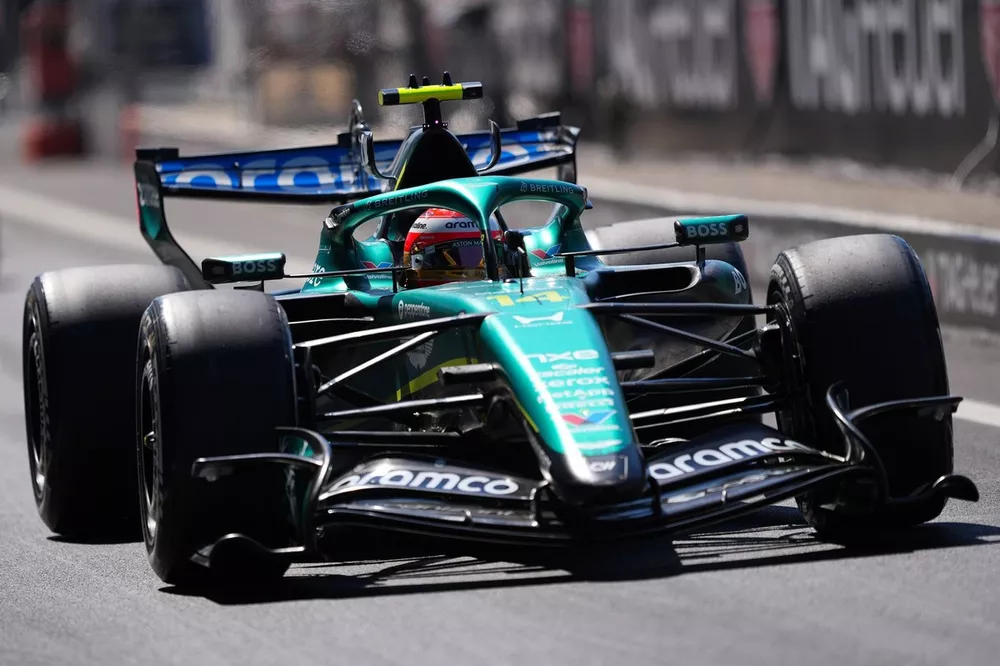
Alonso and Lawson demoted to pitlane start at Italian GP after parc ferme breaches
-
 Formula 1 ·
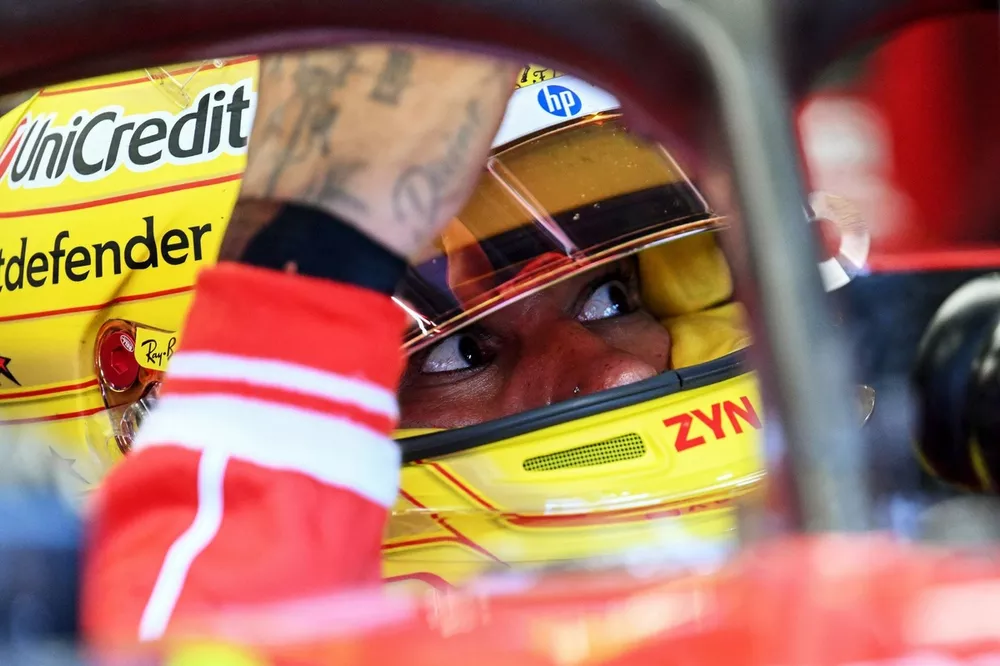
Hamilton criticises Ferrari's qualifying execution after narrow Q2 escape at Monza
-
 Formula 1 ·
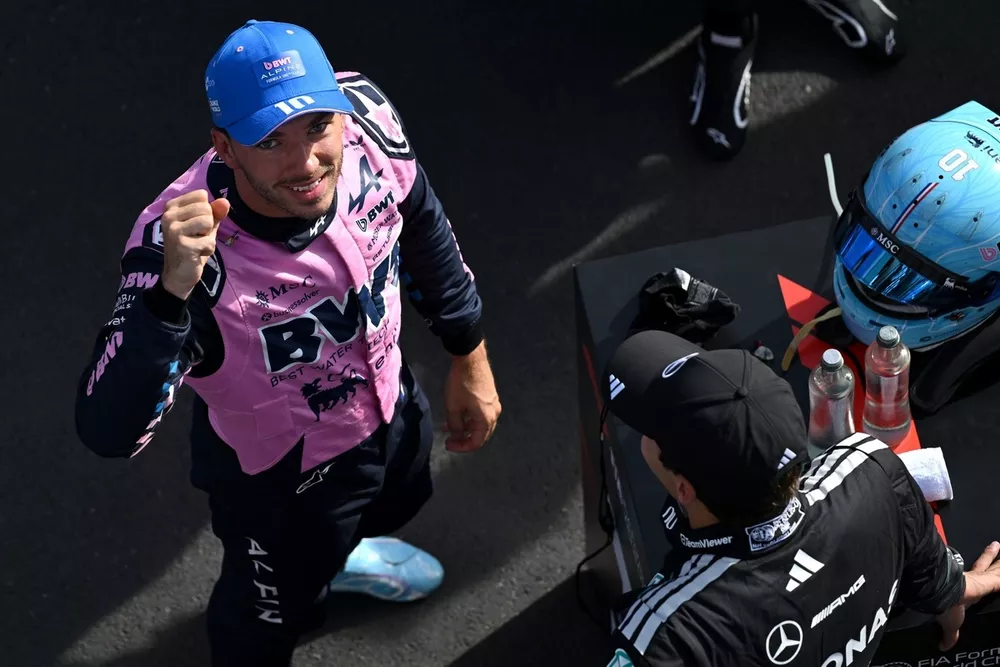
Gasly snatches shock Monza pole from Russell by 0.060s to claim first career front row start
-
 Formula 1 ·
Gasly snatches shock Monza pole hours after FIA strips him of Monaco podium
-
 Formula 1 ·
Piastri has no regrets over Monza team orders that marked the start of his 2025 collapse
-
 Formula 1 ·
Antonelli sacrifices Monza qualifying to tow Russell and expects the favour returned

 France U20 W