Former Premier League referee concedes players less likely to win penalties if they stay on their feet
Retired official Graham Scott has acknowledged that referees are far less likely to award a penalty when a fouled player remains upright, explaining why going to ground so often forces the decision — and why that dynamic is so difficult to resolve.
2 min read
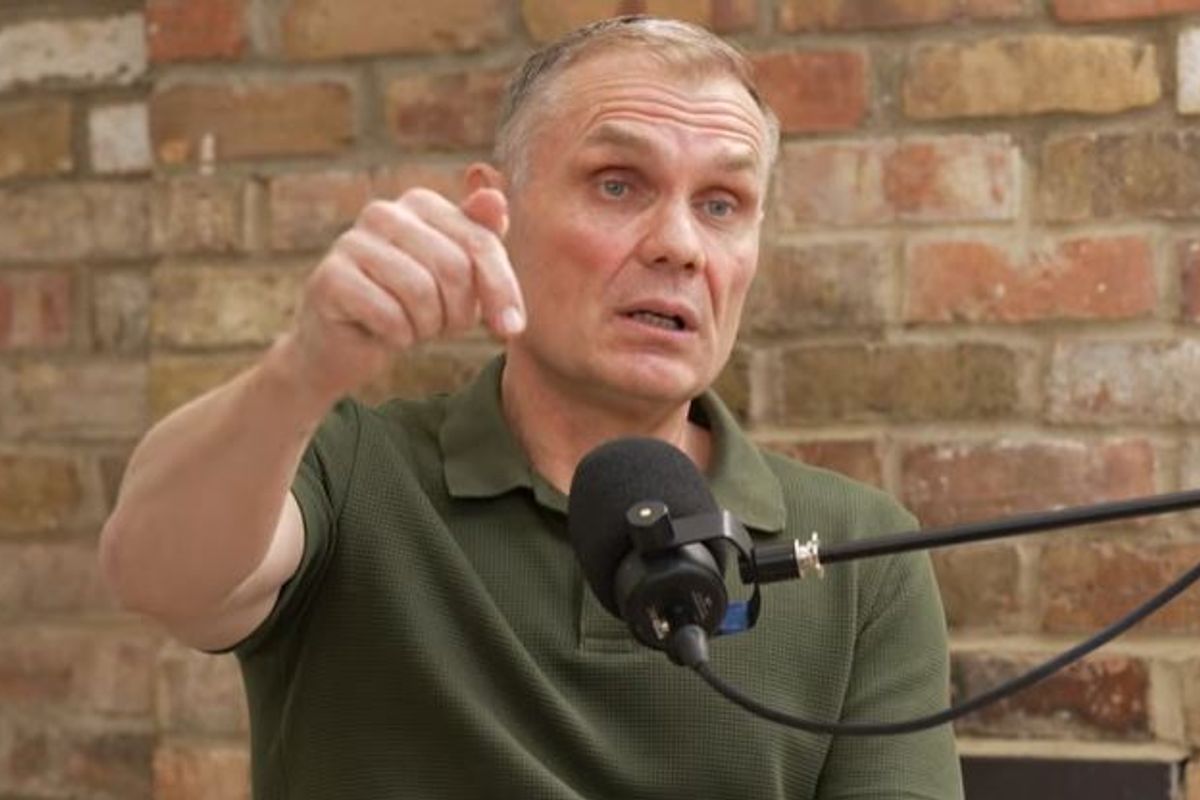
Retired Premier League referee Graham Scott has admitted that a fouled player who stays on their feet is significantly less likely to be awarded a penalty than one who goes to ground — a candid concession that cuts to the heart of one of football’s most persistent frustrations.
Speaking on the Under The Cosh podcast, Scott — who stepped down from top-level officiating at the end of the 2024/25 season — was asked about a recent incident involving Sunderland striker Brian Brobbey, who appeared to be fouled in the penalty area but received no decision after keeping his balance.
“There are some situations where if the player doesn’t go down, they’re not going to get a pen, it’s as simple as that,” Scott said. “Clearly, if you stay on your feet, it’s much less likely to be given. It’s also much less likely to be accepted. If a referee gives a penalty against you and the player isn’t even on the deck — it’s like, ‘Really, for that?’ It works both ways.”
Scott also touched on the complexity of officiating a physically powerful player like Brobbey, noting that mutual holding between attackers and defenders frequently complicates decisions. “You do get a lot of what we call mutual holding, but that can also be a cop-out for not dealing with an actual foul,” he said.
The admission arrives as English football’s refereeing authorities prepare to take a firmer stance on grappling and holding at set-pieces in the coming season. Referees’ chief Howard Webb has signalled that officials will issue fewer warnings before penalising contact, and that the crackdown will be sustained beyond the traditional early-season blitz.
“I think fans can expect less warnings from referees than they might have seen previously,” Webb said. “More situations being penalised — but not only in August or September, throughout the season. I’m not going to commit to say we’re going to go from here to penalising lots of contact. Contact’s still part of the game. We still maintain a high threshold, but I would imagine we’ll be able to reflect on a season where more offences have been penalised.”
Scott’s honesty underlines a structural problem that rule changes alone may struggle to fix: as long as referees and spectators alike find it harder to accept a penalty awarded to a player still standing, the incentive for attackers to go to ground — and the accusations of simulation that follow — will remain baked into the game.
Read also
-
 Football ·
Hoeness rules out Olise departure: "I'm not worried at all"
-
 Football ·
Atletico block Alvarez January exit as Arsenal submit offer for teenage midfielder Mora
-
 Football ·
Wilson-Esbrand embraces elder-statesman role at City as contract expiry looms
-
 Football ·
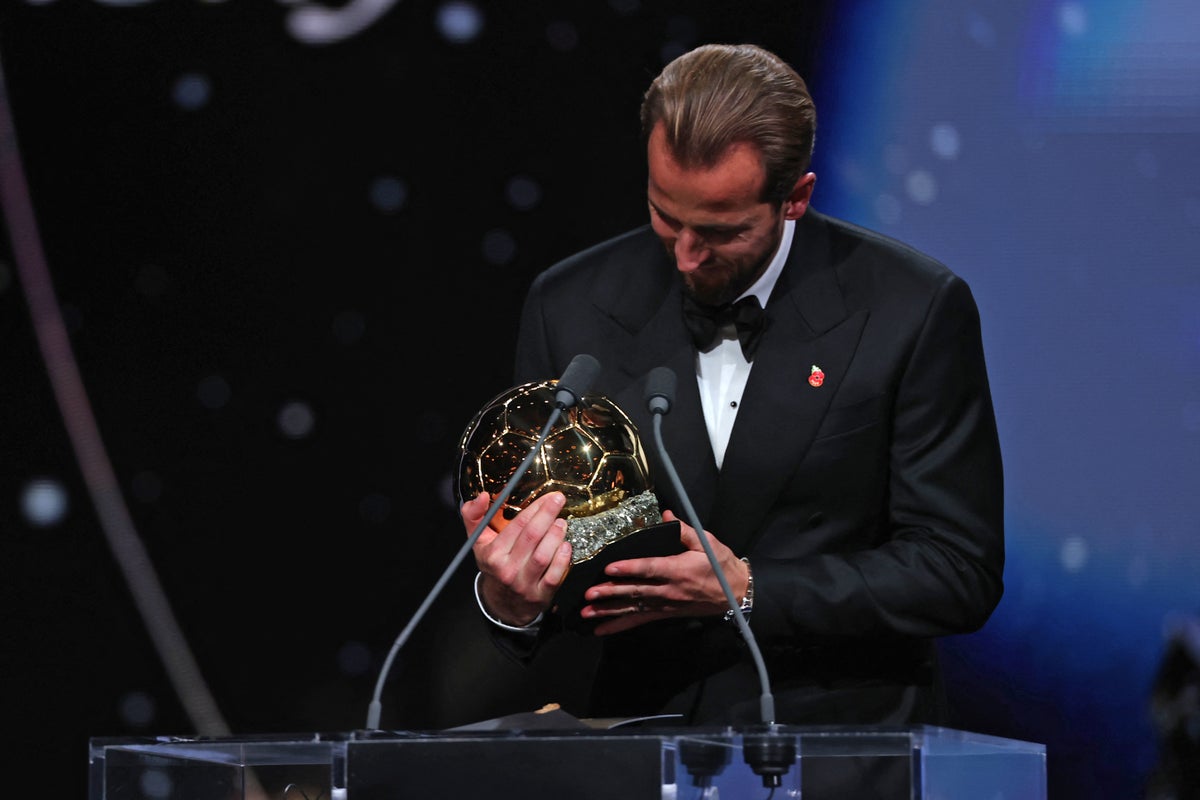
Harry Kane becomes first Englishman in 25 years to win the Ballon d'Or
-
 Football ·
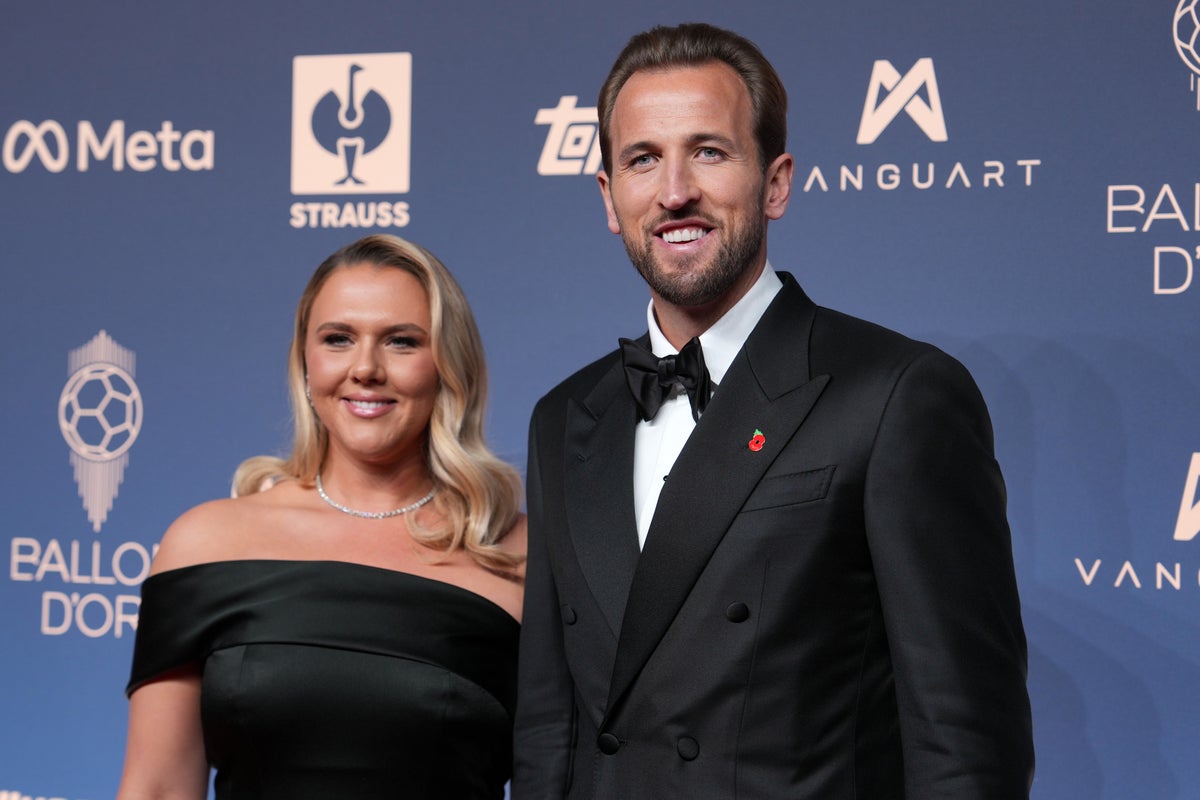
Kane becomes first Englishman in 25 years to win Ballon d'Or, pipping Mbappé and Yamal
-
 Football ·
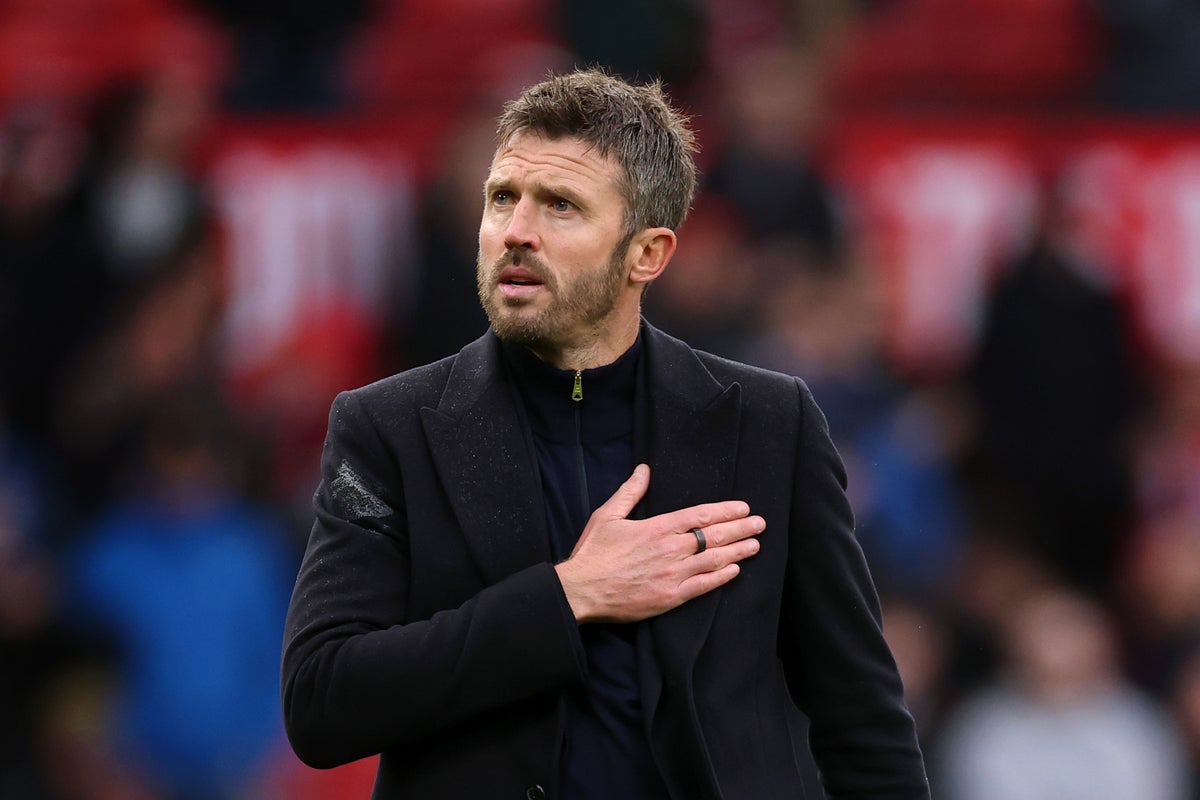
Carrick survives Manchester United crisis talks despite worst league start in 40 years