Harry Kane becomes first Englishman to win Ballon d'Or since Michael Owen in 2001
Harry Kane claimed the Ballon d'Or after scoring 73 goals for Bayern Munich and England in 2025-26, including 12 at the World Cup as England reached their best finish since 1966.
1 min read
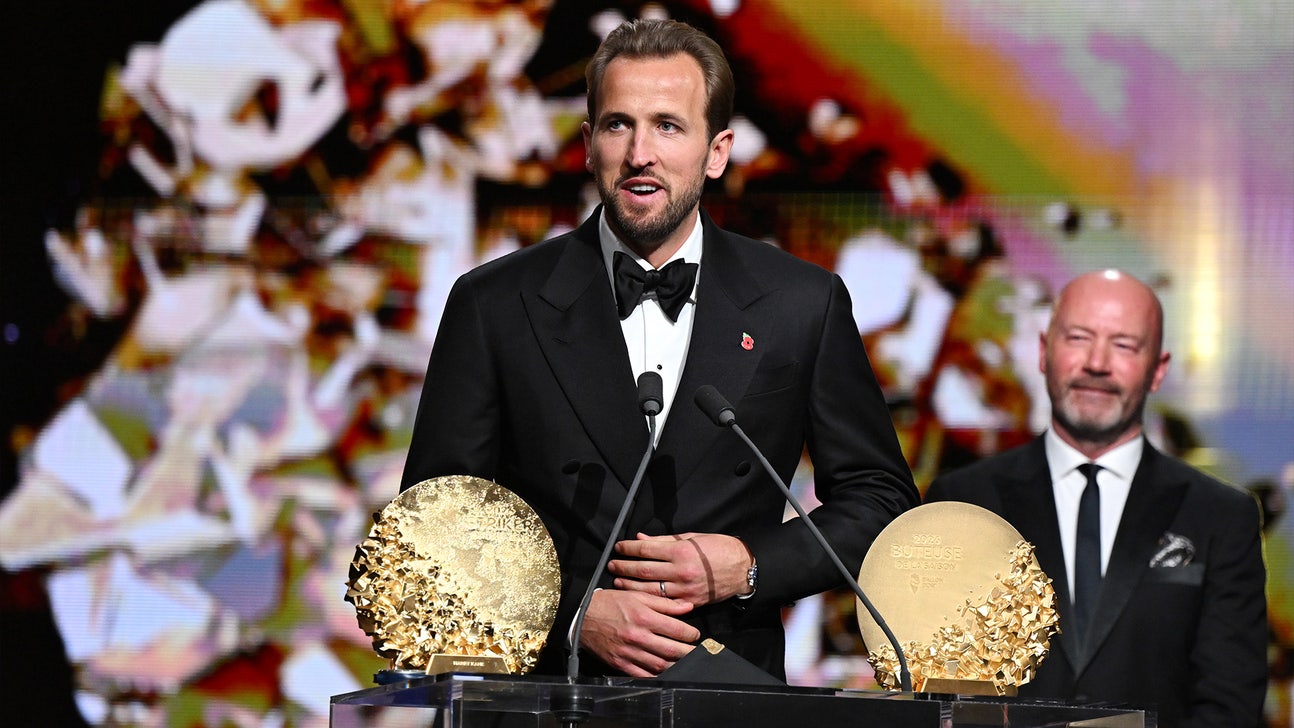
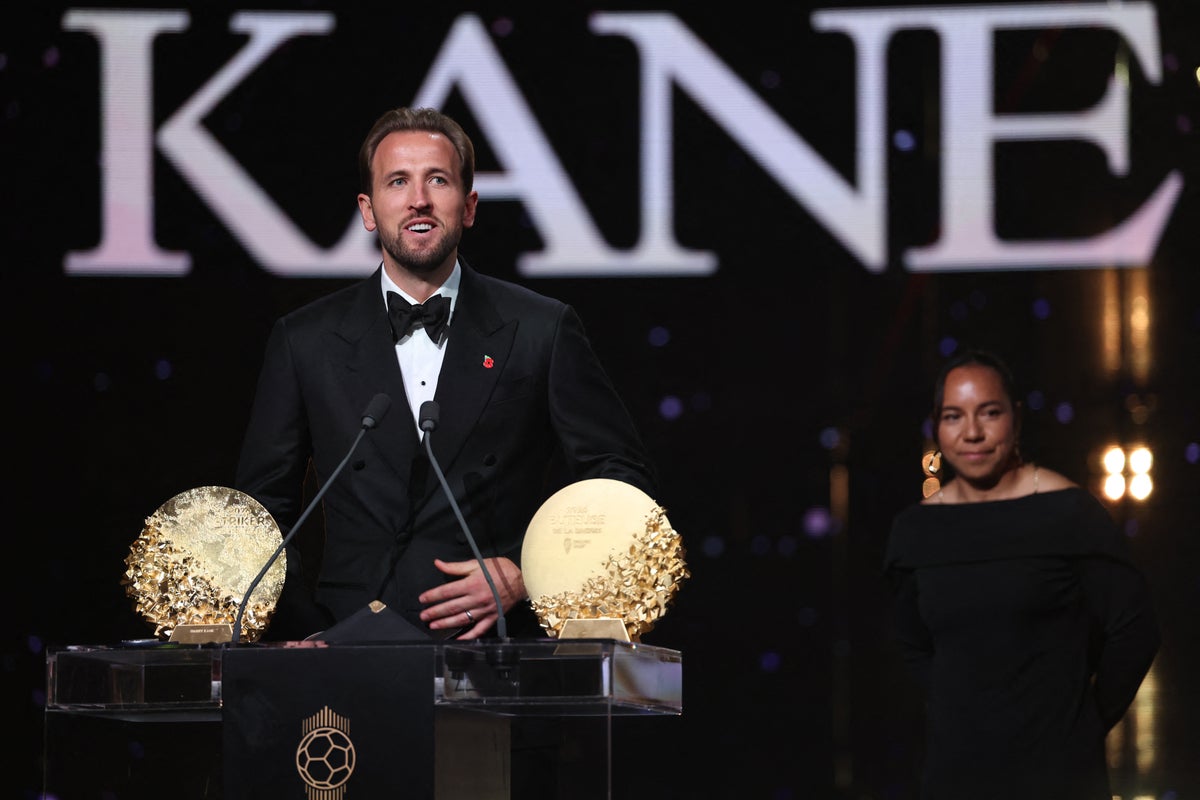
Harry Kane has won the Ballon d’Or, becoming the first English player to claim football’s most prestigious individual award since Michael Owen in 2001 and only the fifth Englishman in the trophy’s history.
Kane scored 61 goals for Bayern Munich across all competitions in 2025-26, anchoring a treble-winning season for the German club. His 36 Bundesliga goals secured him the league’s Golden Boot for a third consecutive season and a second European Golden Shoe, while he added 14 in the Champions League and 10 in the German Cup as Bayern claimed the Bundesliga, the German Cup and the German Super Cup.
The England captain contributed a further 12 international goals during the voting period, six of them at the World Cup in North America, where the Three Lions finished third — their best result since winning the tournament in 1966. His combined tally of 73 goals for club and country is the second-highest by any player in a single season since 2000, surpassed only by Lionel Messi’s 82 in 2011-12.
Kane joins Stanley Matthews — the inaugural winner in 1956 — Bobby Charlton, Kevin Keegan and Owen as the only Englishmen to have won the award. He is also the first Bayern Munich player to take the prize since Karl-Heinz Rummenigge in 1981.
Messi remains the record holder with eight Ballon d’Or wins. Last year’s award went to Paris Saint-Germain forward Ousmane Dembélé.
Read also
-
 Football ·
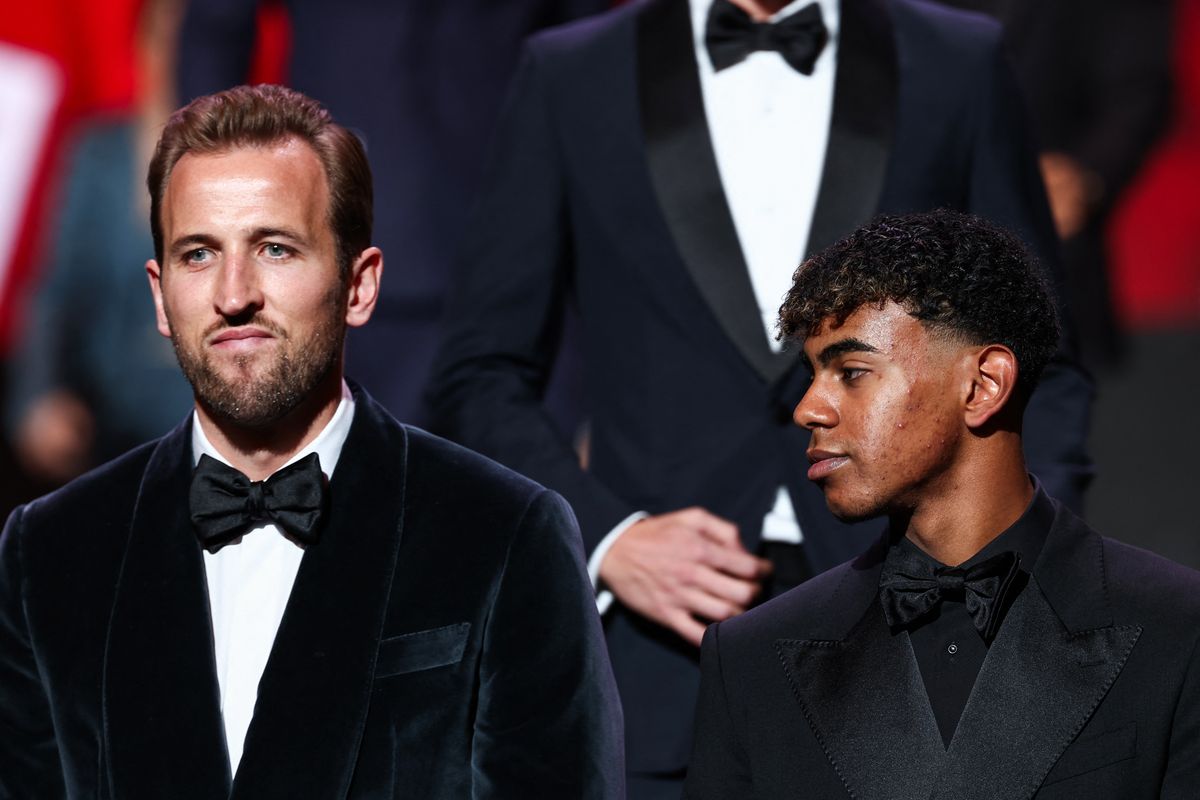
Harry Kane claims maiden Ballon d'Or to end England's 25-year wait for a winner
-
 Football ·
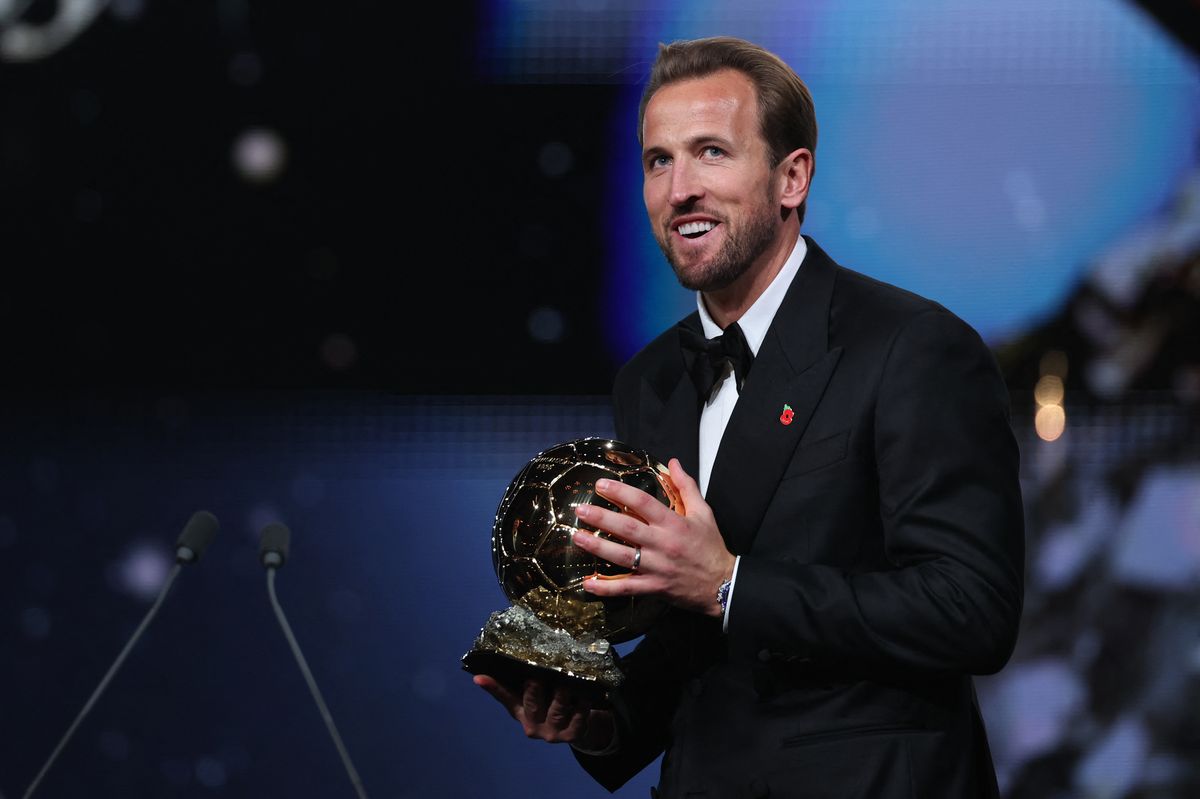
Kane wins Ballon d'Or to become first Englishman crowned world's best in 25 years
-
 Football ·
Harry Kane wins 2026 Ballon d'Or, ending England's 25-year wait for football's top prize
-
 Football ·
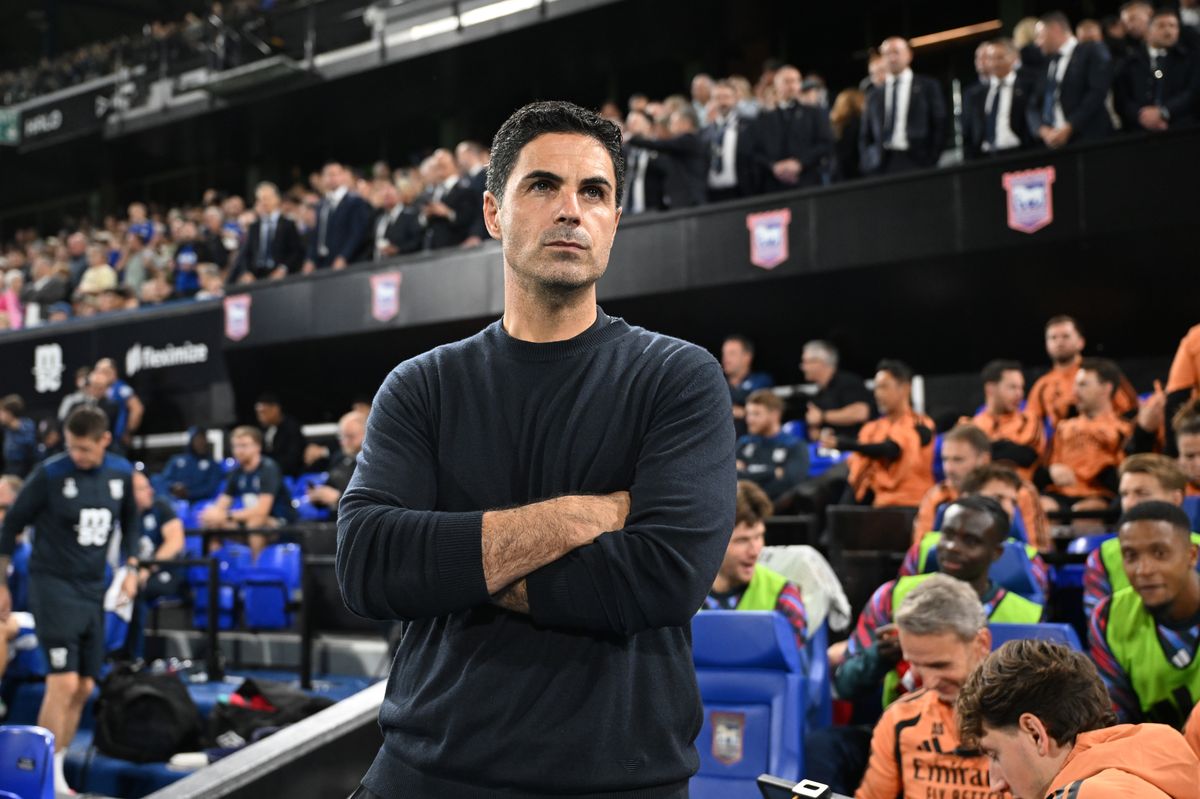
Arteta warns Arsenal to respect Fleetwood or risk Carabao Cup embarrassment
-
 Football ·
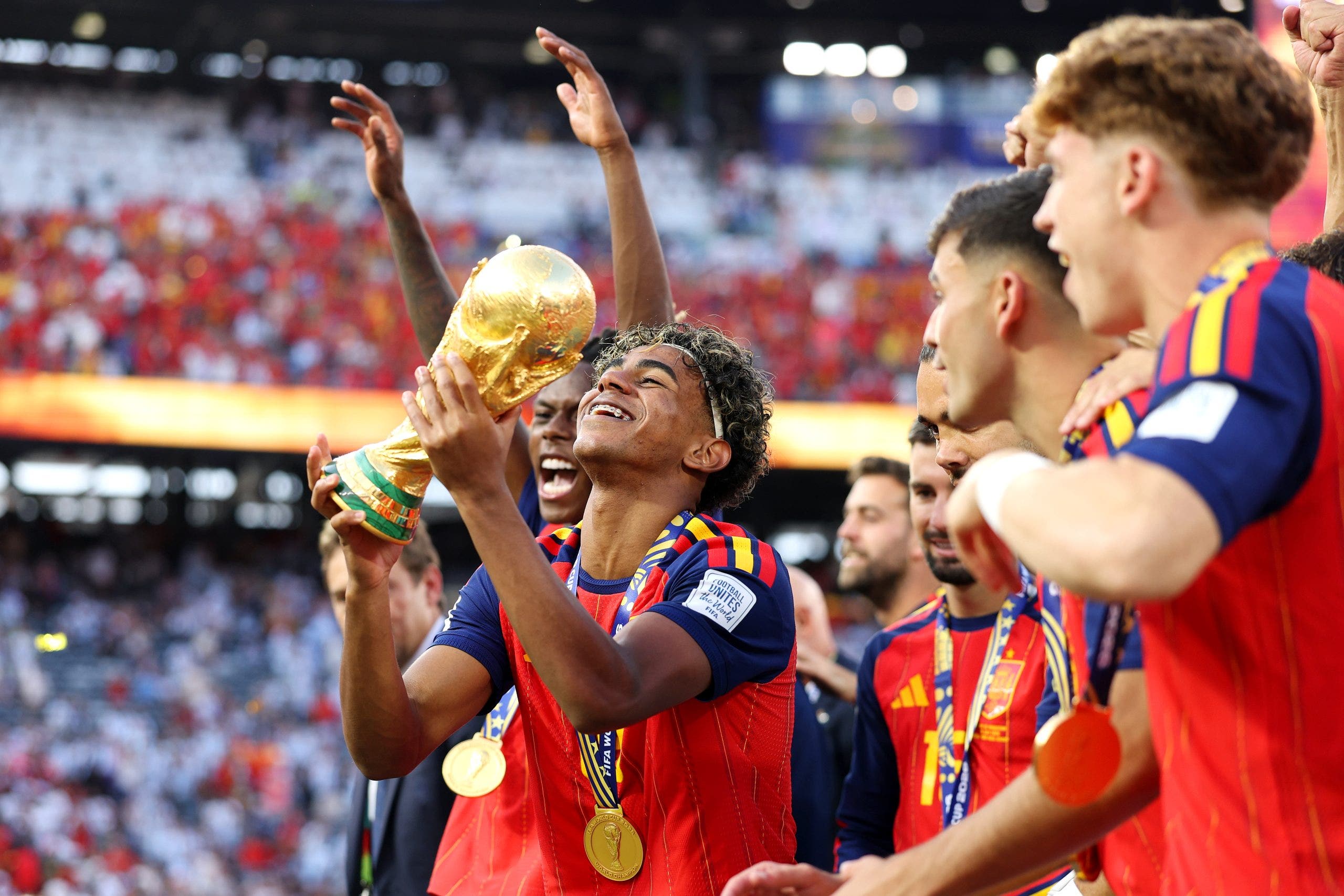
Yamal claims Kopa Trophy for third straight year and dedicates it to runner-up Cubarsí
-
 Football ·
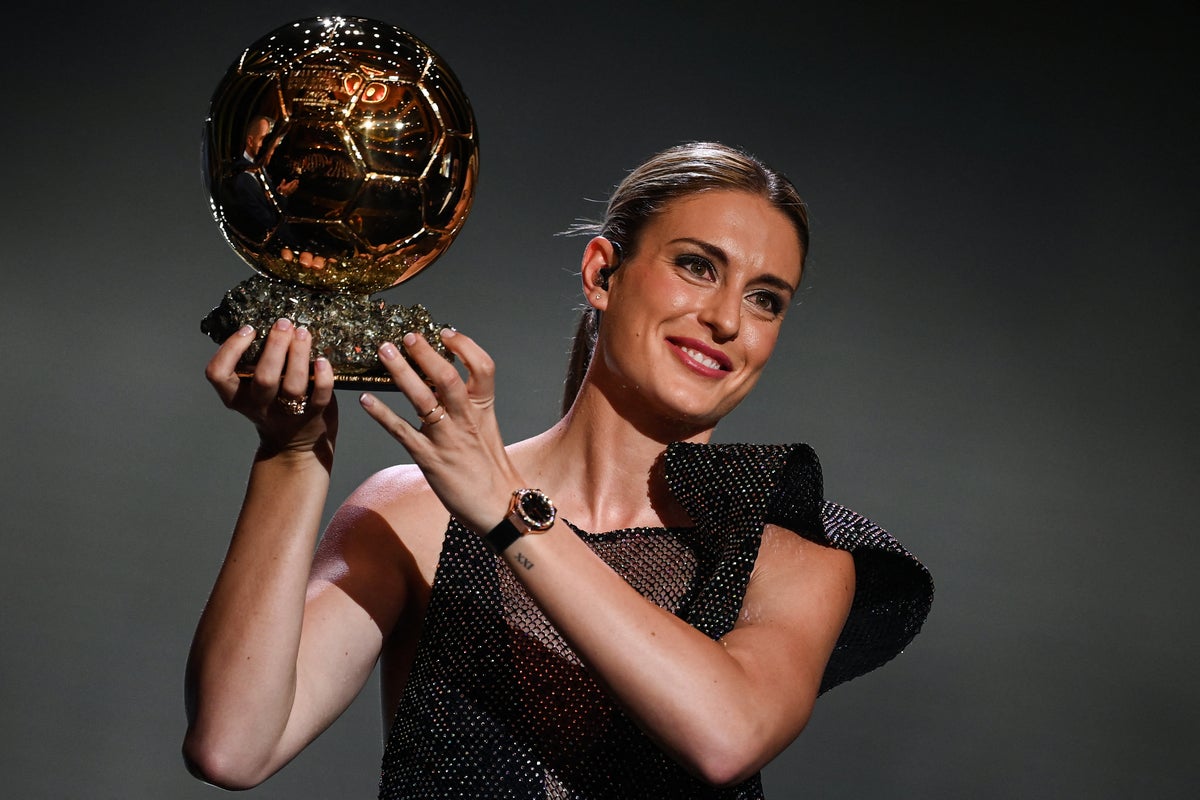
Putellas claims third Women's Ballon d'Or after leading Barcelona to historic quadruple