Flu-hit Verstappen qualifies seventh as Zandvoort lays bare Red Bull's fundamental car problems
Max Verstappen admitted to feeling flu-like after qualifying seventh for the Dutch Grand Prix, more than four tenths behind polesitter Lando Norris. The reigning champion says Red Bull's inconsistent balance and lack of traction are deep-rooted issues the RB22 cannot yet solve.
2 min read
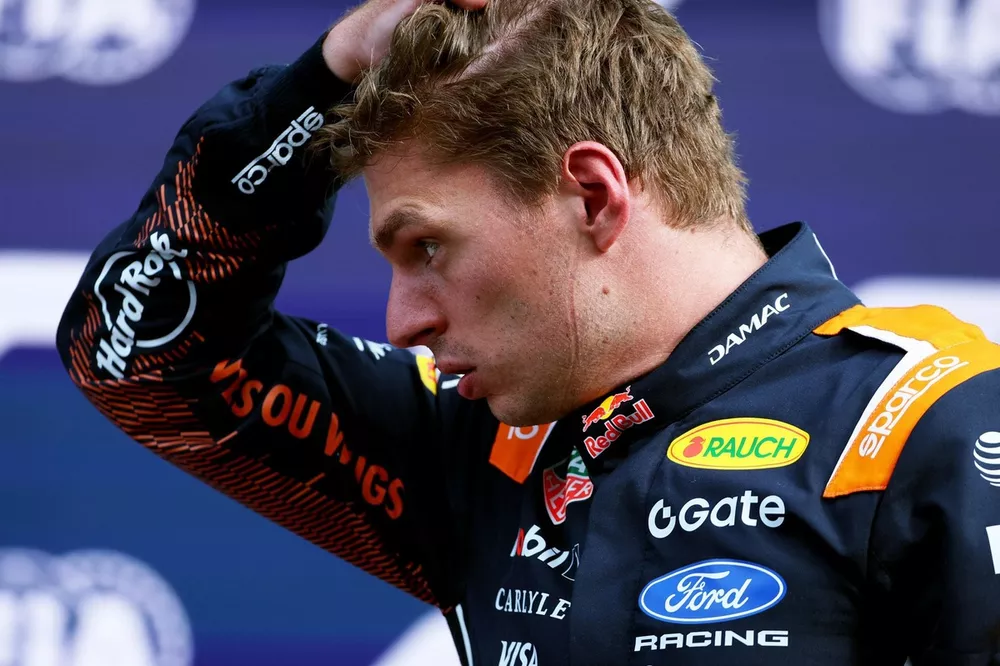
Max Verstappen will start Sunday’s Dutch Grand Prix from seventh on the grid, his home-race weekend compounded by a flu-like illness and a Red Bull car he believes is constrained by fundamental mechanical problems that no set-up change has been able to fix.
Qualifying at Zandvoort left Verstappen more than four tenths of a second adrift of polesitter Lando Norris — a gap the three-time Dutch GP winner described as a fair reflection of where the RB22 currently stands at a circuit that amplifies its weaknesses.
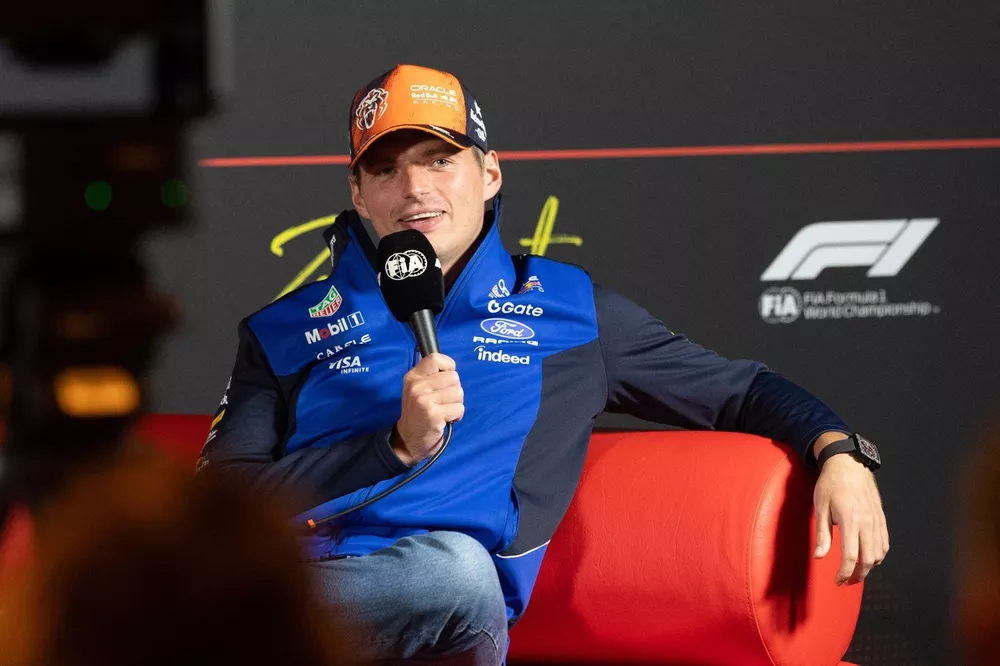
“I’ve felt better before, yes,” Verstappen said in the paddock after qualifying. “I feel a bit flu-like and I’m just not feeling as much energy as normal.” He added that the illness does not appear to affect his driving once he is in the car, but admitted his priority away from the cockpit is straightforward: “I’m mostly looking forward to getting some sleep.”
On the performance side, Verstappen was candid about the scale of Red Bull’s difficulties. The team made significant changes to the car between the sprint and qualifying, yet found no improvement. “We changed quite a lot on the car after the sprint, but none of it made any difference,” he said.
The root cause, in Verstappen’s assessment, is a balance problem that has persisted throughout the 2025 season and is simply more exposed at certain venues. “The balance of the car is the biggest problem. It’s just not consistent throughout the entire corner, but it has been like that all season. It’s just a little worse at some circuits than at others.”
Zandvoort, with its high-speed corners and demanding tarmac, sits firmly in the category of circuits that punish the RB22’s shortcomings. “At this circuit you also have some fast corners and we’re lacking there as well,” Verstappen said. “In general, if you don’t have a good balance, you can’t really attack the corners. And if you don’t have traction either, you can’t get out of the corners properly, so all of that costs time.”
Crucially, Verstappen does not believe the answer lies in further set-up experimentation. “I think we’re now simply more limited by some fundamental problems with the car that we need to solve,” he said — a pointed acknowledgement that the issues require engineering solutions rather than weekend adjustments.
Verstappen regards seventh as the realistic ceiling for Sunday’s race under normal conditions, with any improvement in his finishing position likely dependent on external factors such as rain or incidents further up the field. The 2026 Dutch Grand Prix is set to be the last edition held at Zandvoort, making the circumstances of this farewell weekend all the more difficult for the local hero.
Read also
-
 Formula 1 ·
Sainz urges Williams factory to 'take it personal' as team battles difficult 2026 start
-
 Formula 1 ·
Hamilton rebuilds confidence to qualify fifth at Zandvoort after troubled Friday
-
 Formula 1 ·
Verstappen says 2026 cars are easier to drive as Stella pushes back at Zandvoort
-
 Formula 1 ·
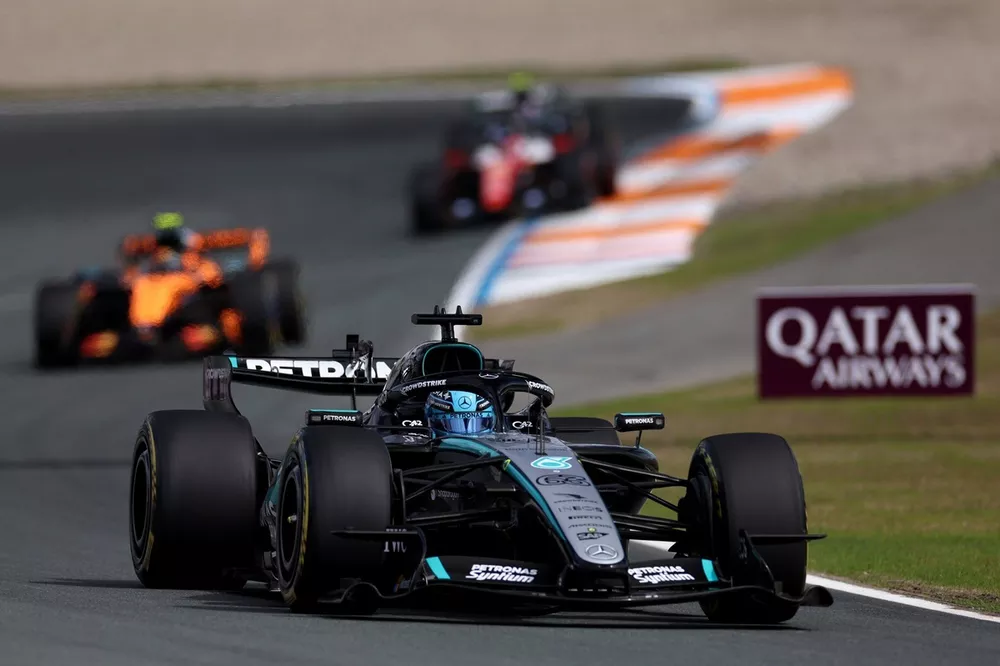
Russell wins Dutch GP sprint and starts second as Antonelli's 56-point lead comes under pressure
-
 Formula 1 ·
Verstappen mocks Russell on team radio — then Russell never complains
-
 Formula 1 ·
Antonelli admits Turn 1 error cost him Dutch GP pole as title lead stays intact