FIFA rules and Falklands War history end Oliver and Taylor's World Cup final hopes
Premier League referees Michael Oliver and Anthony Taylor have been ruled out of the 2026 World Cup final. A combination of FIFA's home-nation impartiality rules and geopolitical restrictions linked to the 1982 Falklands War has eliminated both officials from all remaining fixtures.
1 min read
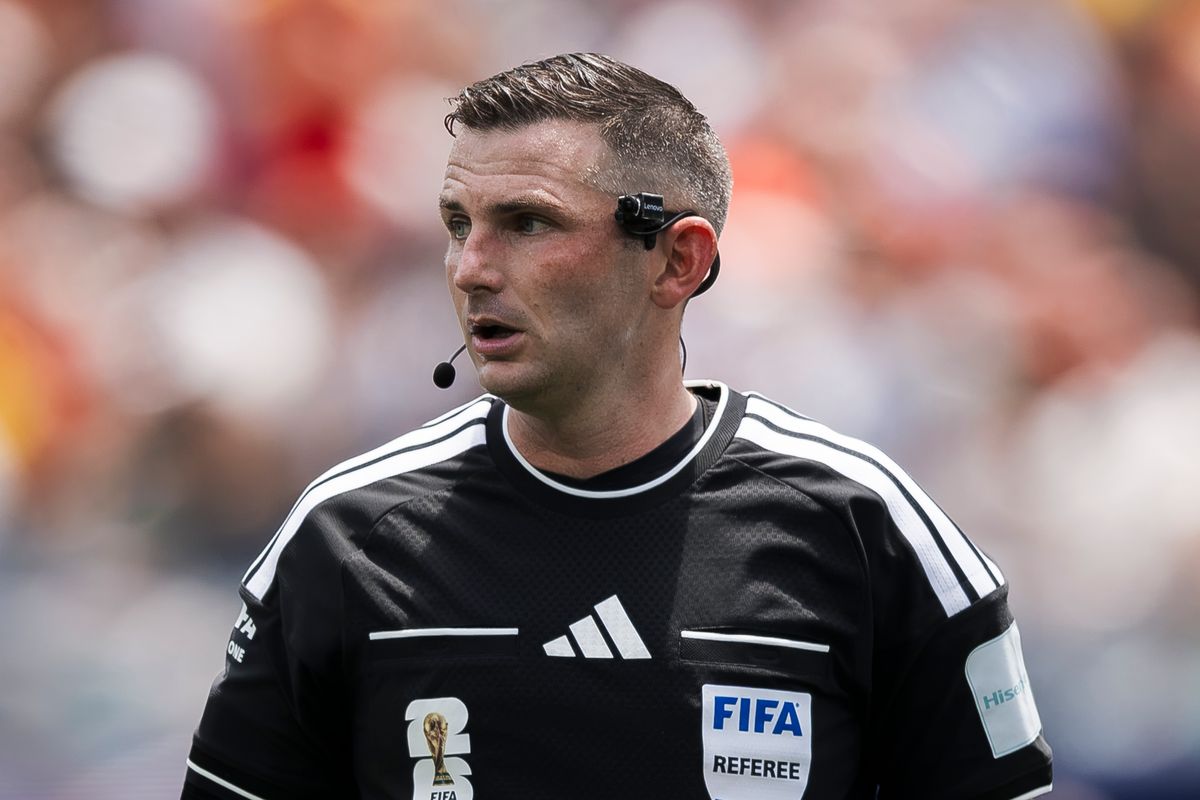
Michael Oliver and Anthony Taylor, two of the Premier League’s most respected referees, have been eliminated from contention for the 2026 World Cup final after a convergence of FIFA regulations and geopolitical history left them with no eligible fixtures to officiate in the latter stages of the tournament.
The most straightforward reason is FIFA’s standard impartiality rule, which prohibits any referee from taking charge of a match involving their home nation. With England advancing to the semi-finals, both Oliver and Taylor were immediately barred from officiating any game featuring the Three Lions — including the final itself.
FIFA’s regulations extend further than that, however. Officials are also prevented from refereeing matches that have a direct bearing on their home country’s next fixture in the bracket. That rule disqualified both men from the other semi-final between France and Spain, since the winner of that tie would face either England or Argentina in the final.
Argentina’s presence in the semi-finals introduced a second, separate layer of restriction. FIFA takes international political sensitivities into account when making appointments for high-profile matches, and a spokesperson confirmed that the 1982 Falklands War is explicitly factored into the process. As a result, English referees are barred from officiating any match involving Argentina — or any fixture whose outcome directly affects Argentina’s path through the tournament.
With England and Argentina both in the final four, every remaining match either involves one of those nations or has a direct consequence for them. That left Oliver and Taylor with no fixture they were eligible to take charge of, ending their involvement in the competition despite both having impressed during the earlier rounds.
Oliver had been considered a frontrunner for the final appointment before the semi-final draw took shape. The combination of sporting regulations and historical politics ultimately made that impossible, in what the officials’ governing bodies described as a significant blow for English refereeing at the highest level.
Read also
-
 Football ·
O'Reilly ruled out as Tuchel names England squad for Czechia Nations League trip
-
 Football ·
Real Madrid and Barcelona monitor Haaland as Manchester City's legal battle clouds his future
-
 Football ·
Pochettino condemns 'period of deception' after Man City found guilty of Premier League breaches
-
 Football ·
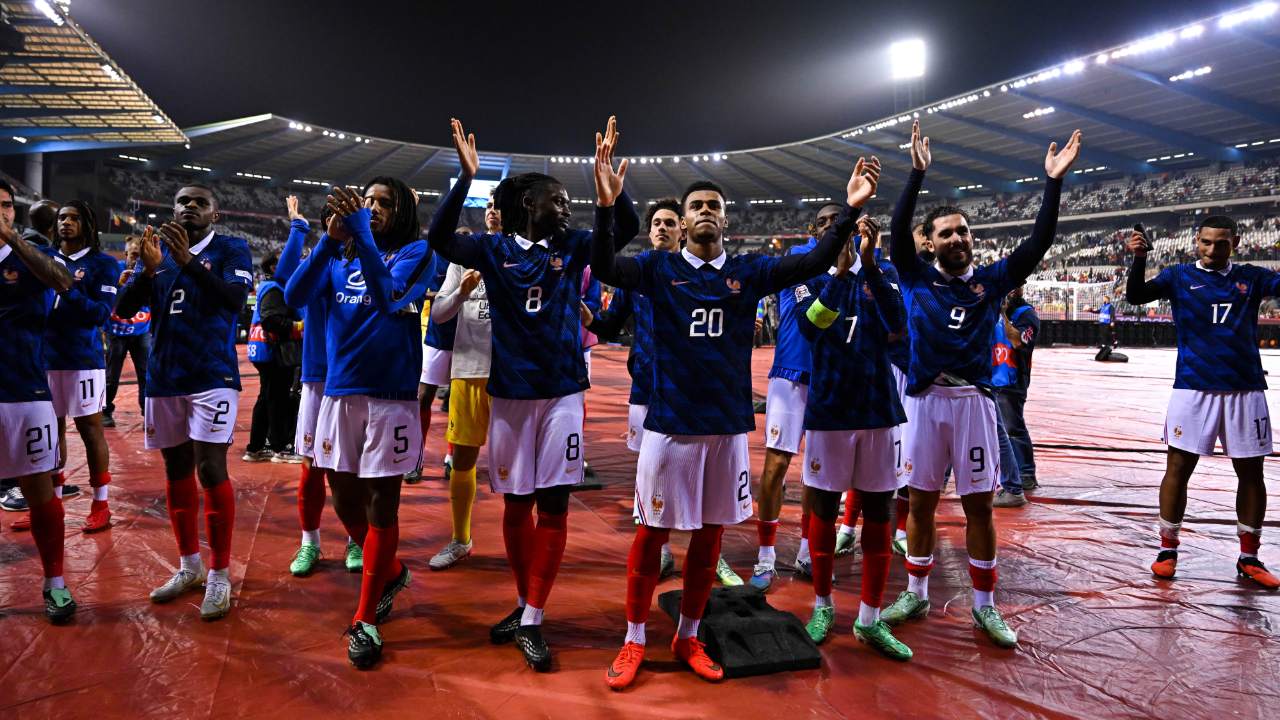
Doué electrifies France against Belgium, Jobard sees 'Michael Jordan'
-
 Football ·
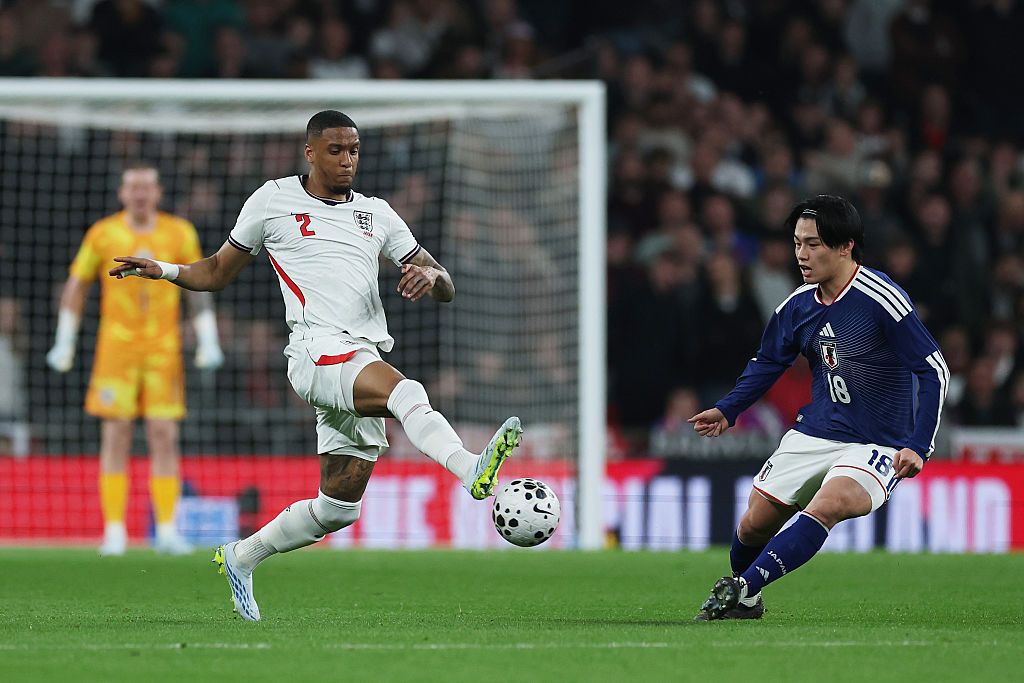
Konsa sits out England group training but individual programme suggests load management, not injury
-
 Football ·
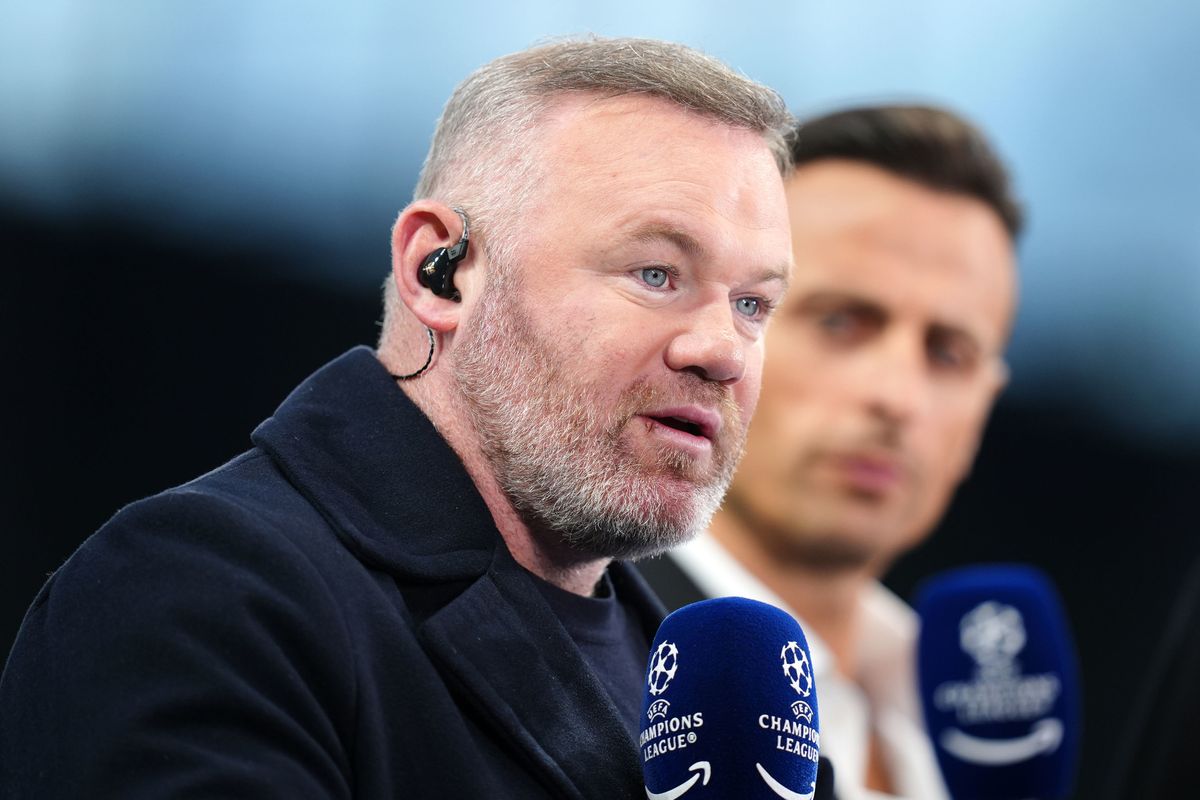
Rooney rejects hypothetical 2012 title medal despite Man City guilty verdict on 114 charges
 Tajikistan