FIA scraps presidential term limits in Macau, opening door to Ben Sulayem's indefinite rule
The FIA's Extraordinary General Assemblies in Macau voted by a supermajority to remove term limits across all its bodies, including the presidency — a change brought forward by Mohammed Ben Sulayem that could allow an incumbent to serve indefinitely unless voted out or disqualified by the existing 70-year age cap.
2 min read
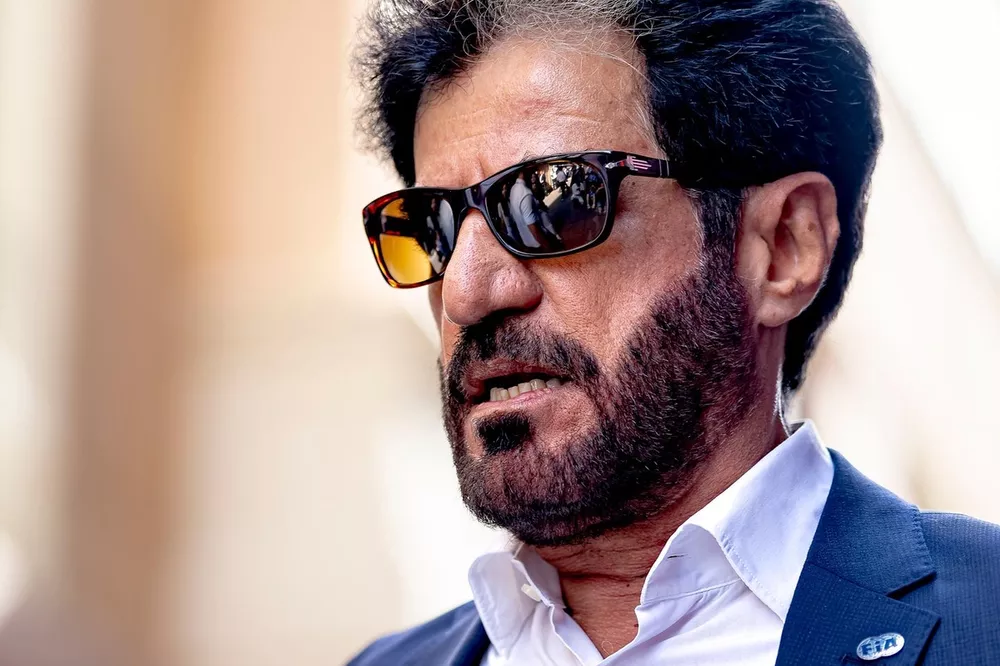
The FIA has abolished term limits for its presidency and all other governing bodies after member clubs and delegates voted through the change at this week’s Extraordinary General Assemblies in Macau — a move widely interpreted as president Mohammed Ben Sulayem consolidating his grip on the organisation.
Previously, FIA presidents were subject to a 12-year maximum tenure. Under the revised statutes, an incumbent can now serve beyond that threshold indefinitely, provided they continue to win elections and remain below the organisation’s 70-year age limit for standing candidates. The amendments were approved by a supermajority of delegates.
The FIA framed the change as a housekeeping measure to align the presidency with other internal bodies that already operated without term limits. “The FIA statutes have been updated to establish a consistent approach to term limits across all FIA bodies, in line with the world councils and the senate,” a spokesperson said. “FIA bodies retain full authority to democratically elect officeholders they deem appropriate.”
Alongside the term-limit removal, the assemblies also tightened eligibility criteria for presidential candidates, requiring prospective challengers to demonstrate significant experience within an FIA member club or body. The nominations committee has been renamed the “eligibility assessment committee” to reflect its revised scope — a change critics may argue raises the bar for outsider candidates looking to challenge an incumbent.
Ben Sulayem, 64, was re-elected unopposed at the end of 2025 for a second four-year term, meaning the statute change does not affect his current mandate. He would have been eligible to stand for a third term in 2029 regardless of the amendment. Under the new rules, however, he would hit the age limit during a potential third term, which would prevent him from seeking a fourth — unless that final restriction were also revisited at a future general assembly.
The cumulative effect of the Macau decisions — removing term limits, tightening candidate eligibility, and renaming the body that assesses those candidates — has drawn scrutiny from observers who see the package as systematically reducing the structural checks on the sitting president’s authority.
Read also
-
 Formula 1 ·
Antonelli leads Norris by two tenths in red-flag-hit Belgian GP practice
-
 Formula 1 ·
Championship leader Antonelli opens up on fame's pressures ahead of Belgian GP
-
 Formula 1 ·
Ocon reveals Spider-Man helmet to Tom Holland ahead of Belgian and Hungarian GPs
-
 Formula 1 ·
Montoya warns Antonelli that a shrinking points lead is a mental trap
-
 Formula 1 ·
Verstappen edges Hamilton by a tenth to lead Ferrari-Red Bull battle in Belgian GP practice
-
 Formula 1 ·
Championship leader Antonelli reveals Federer's pressure advice ahead of Belgian Grand Prix