Ferrari targets Austrian GP for upgraded engine and new Shell fuel to close power gap
Ferrari is awaiting FIA approval to introduce a third version of its 067/6 power unit in Austria, pairing a steel-alloy cylinder head running at over 115°C with a bespoke Shell fuel to reduce its horsepower deficit to Mercedes.
1 min read
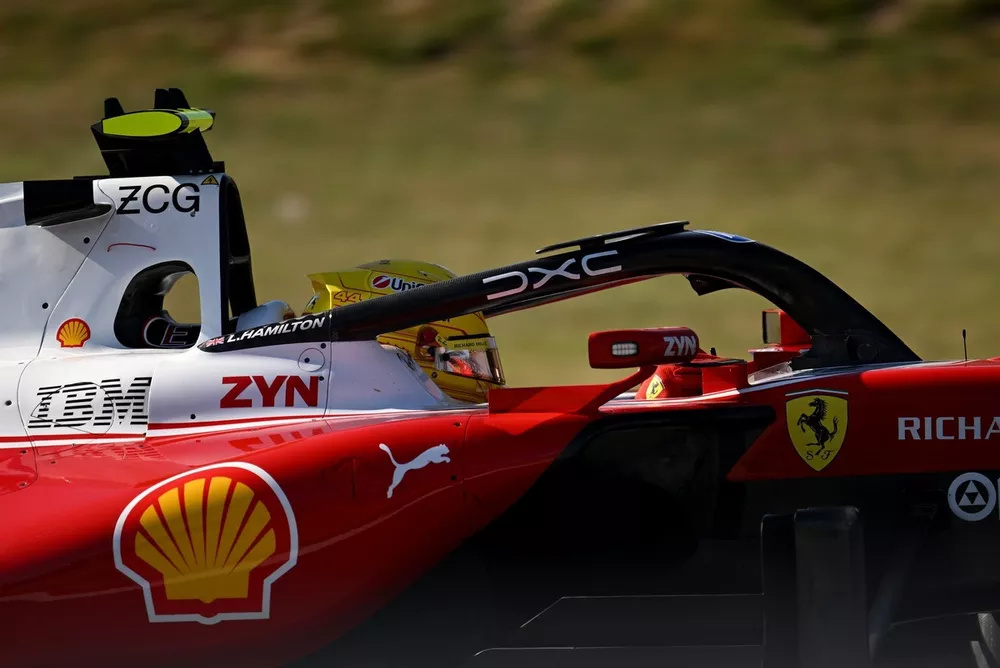
Ferrari is preparing to deploy a significant engine upgrade as early as the Austrian Grand Prix at Spielberg, pending official FIA approval for the third iteration of its 067/6 power unit.
The updated internal combustion engine pushes Ferrari’s steel-alloy cylinder head concept further than before. Unlike aluminium, the steel-alloy construction allows combustion chamber temperatures to climb well beyond what conventional designs can withstand — from the Austrian round onward, intake air temperatures will exceed 115°C, up from the already elevated threshold of over 100°C the team has been running this season. At those temperatures, an aluminium head would risk structural failure; the steel-alloy alternative makes the configuration viable.
Paired with a new fuel developed by Shell specifically for this engine configuration, the upgrade is designed to allow a far greater proportion of fuel particles to combust fully, converting more chemical energy into mechanical work and reducing the horsepower gap to Mercedes’ power unit. The collaboration between Ferrari’s engine department, led by Enrico Gualtieri, and Shell’s laboratory in Hamburg underpins the development. Precisely how much of the anticipated performance gain comes from the newly homologated fuel versus the FIA-approved engine modifications remains difficult to quantify.
The update arrives on the back of Lewis Hamilton’s victory at the Barcelona Grand Prix, which lifted morale inside Maranello and signalled a genuine step forward for the SF-26. Ferrari will also bring its second aerodynamic upgrade package of the season to Spielberg — following the package introduced in Miami — with the Barcelona specification already demonstrating improved tyre management and reduced drag. That combination proved decisive in Spain, ending a run of six consecutive victories for Mercedes.
However, the Barcelona weekend was not without concern. During the post-race debrief, Ferrari focused on understanding an electronic failure that disabled Charles Leclerc’s hydraulic system mid-race, causing the Monegasque to suddenly lose power steering and brake-by-wire. The team will be looking for answers before Austria.
Read also
-
 Formula 1 ·
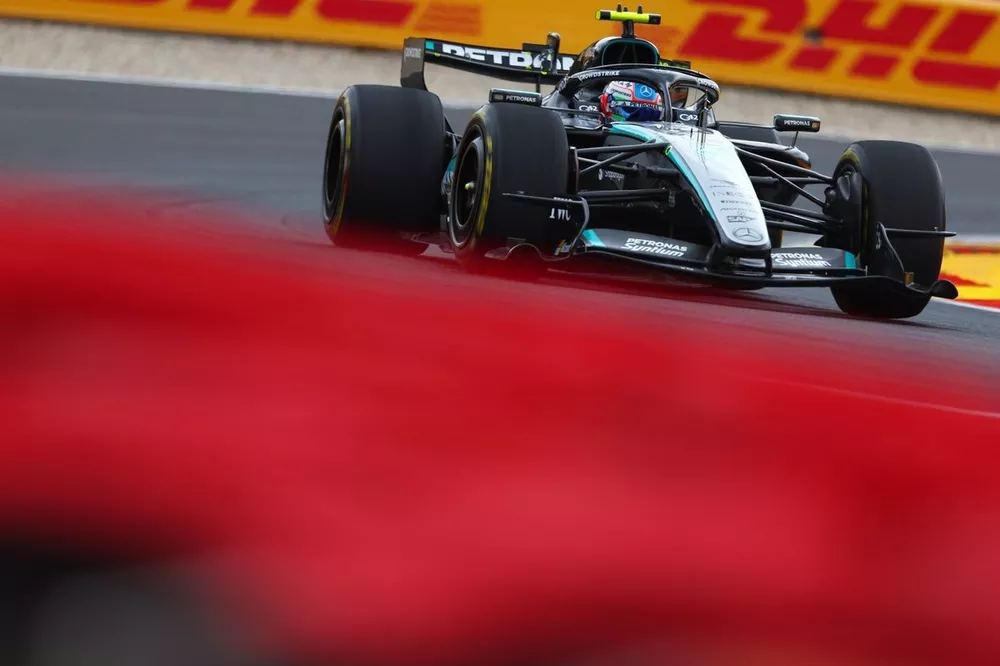
Antonelli leads Norris by two tenths in red-flag-hit Belgian GP practice
-
 Formula 1 ·
Championship leader Antonelli opens up on fame's pressures ahead of Belgian GP
-
 Formula 1 ·
Ocon reveals Spider-Man helmet to Tom Holland ahead of Belgian and Hungarian GPs
-
 Formula 1 ·
Montoya warns Antonelli that a shrinking points lead is a mental trap
-
 Formula 1 ·
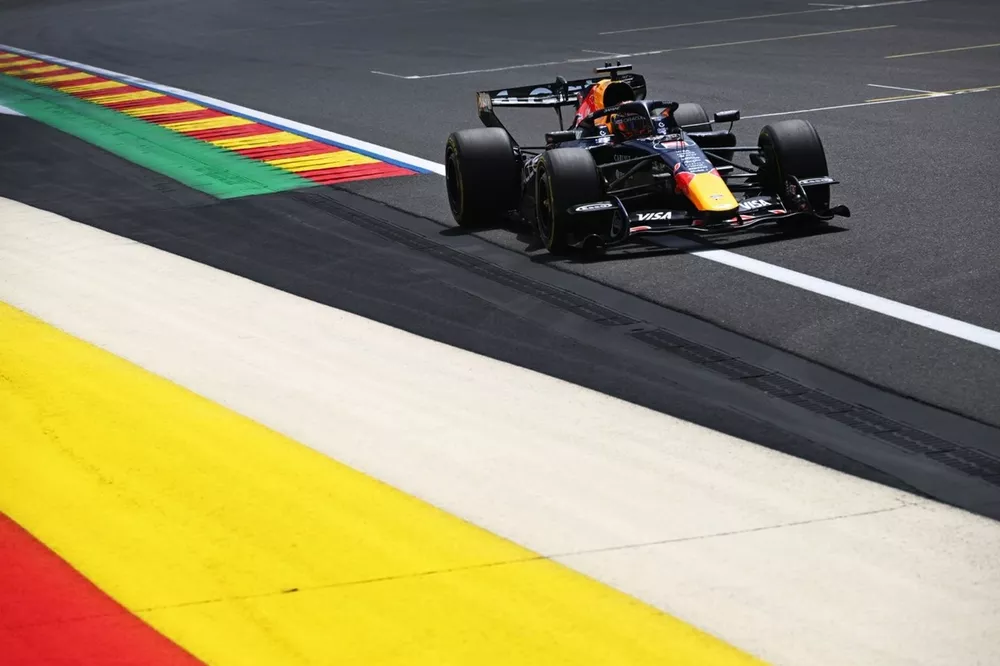
Verstappen edges Hamilton by a tenth to lead Ferrari-Red Bull battle in Belgian GP practice
-
 Formula 1 ·
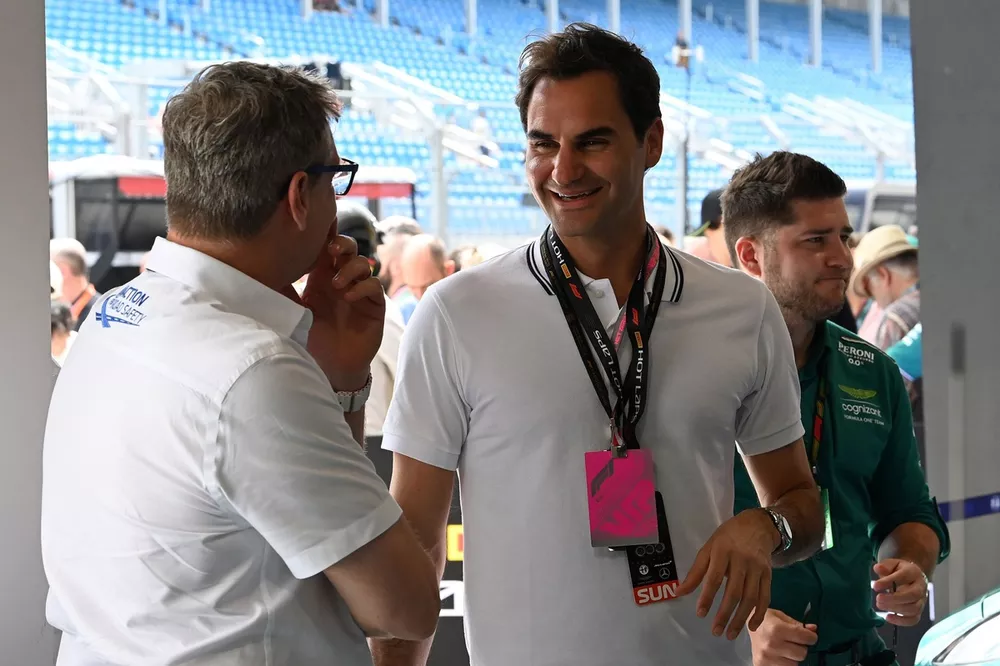
Championship leader Antonelli reveals Federer's pressure advice ahead of Belgian Grand Prix