F1 drivers bid farewell to Zandvoort as Dutch Grand Prix reaches its final lap
Formula 1 holds its last Dutch Grand Prix at Zandvoort this weekend after organisers opted against renewing their deal with F1 management, citing financial pressures and a plateauing of the sport's popularity in the Netherlands. Drivers including Oscar Piastri have expressed genuine sadness at losing one of the calendar's most distinctive circuits.
2 min read
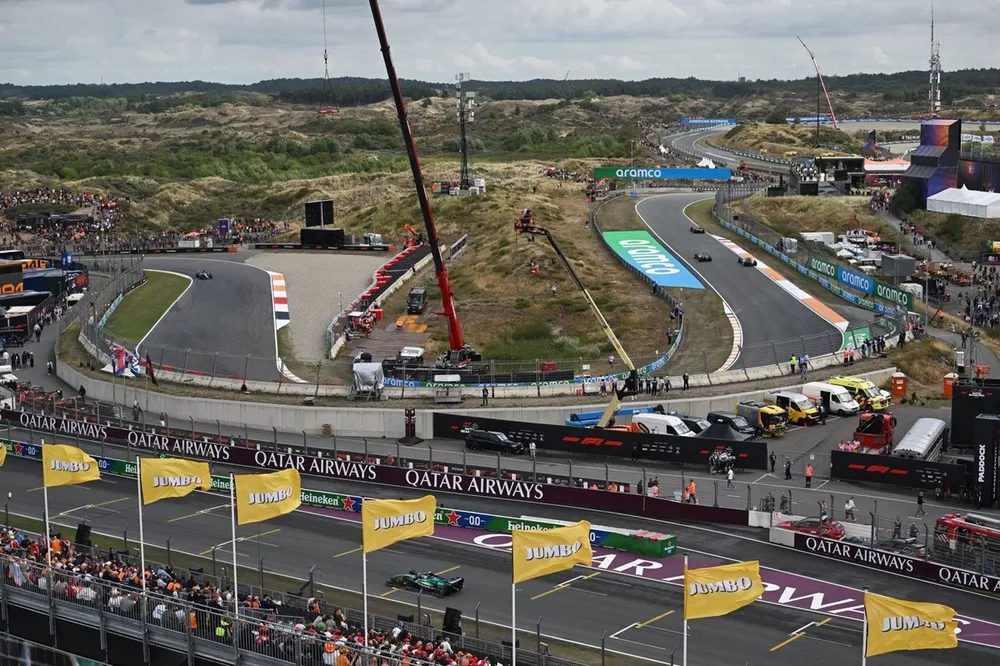
Formula 1 says goodbye to Zandvoort this weekend as the Dutch Grand Prix reaches the end of its modern-era run, with local organisers choosing not to extend their expiring contract with F1 management. The circuit, which was revived in 2021 on the back of Max Verstappen’s extraordinary popularity, will host its sixth and final race in the current cycle before dropping off the calendar.
The decision came down to money and momentum. Unlike most grand prix hosts, Zandvoort’s organisers receive no government funding to offset the considerable financial risk of staging an F1 event. With the sport’s fanbase in the Netherlands appearing to have reached its ceiling, they chose to walk away on their own terms rather than overextend.
For the drivers, the news has landed with genuine regret. The 4.259km circuit carved through the North Sea dunes near the Dutch coast is unlike anything else on the calendar — narrow, undulating, and lined with cambered corners that demand commitment and precision. The Scheivlak section, a high-speed blast with a gravel embankment rather than a conventional runoff, has no equivalent elsewhere. The final corner, named after Indy 500 winner Arie Luyendyk, is banked steeply enough to be taken flat out, giving the otherwise compact layout a dramatic closing flourish.
Oscar Piastri, who won last year’s race for McLaren, was candid about the trade-offs. “It will be a shame,” the Australian said. “As a circuit to drive on, it’s one of the best we have all year. Admittedly, as a circuit to race on, it’s maybe not the most exciting, and even just logistically it is pretty small for F1.”
Piastri acknowledged the broader tension between heritage venues and the sport’s expanding global footprint. “There are so many different countries that want to host an F1 race. For us as drivers, all the historical circuits are probably the most enjoyable to race on. If you’re to replace it with Imola or with Spa in the future, then I’m pretty happy with that. But if it’s for potentially another street circuit that’s maybe not the best, then there’s a sweet spot to find.”
The sentiment reflects a wider unease in the paddock as F1’s calendar continues to grow, with purpose-built street circuits in urban centres increasingly displacing the old-school permanent tracks that drivers tend to prize most. Zandvoort, with its sand-swept atmosphere and old-fashioned character, represented exactly the kind of venue that is becoming harder to justify financially even as it remains beloved on sporting grounds.
Verstappen’s rise transformed the Dutch Grand Prix from a distant memory into one of the most atmospheric events on the F1 schedule. Whether the calendar finds a worthy replacement remains to be seen.
Read also
-
 Formula 1 ·
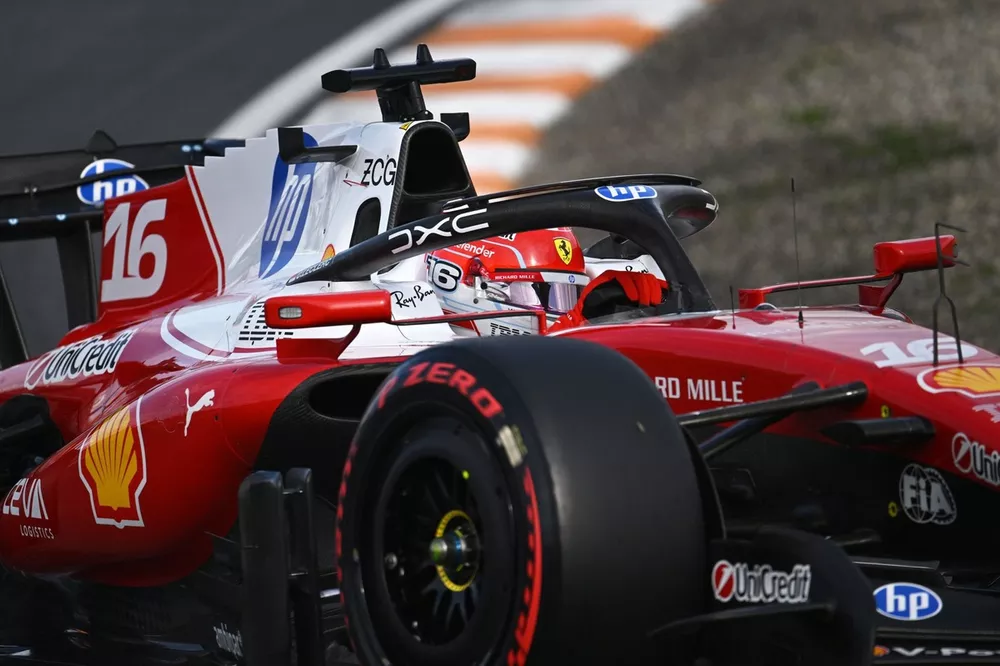
Leclerc snatches second in Dutch GP sprint on a gamble that was 'either very right or very wrong'
-
 Formula 1 ·
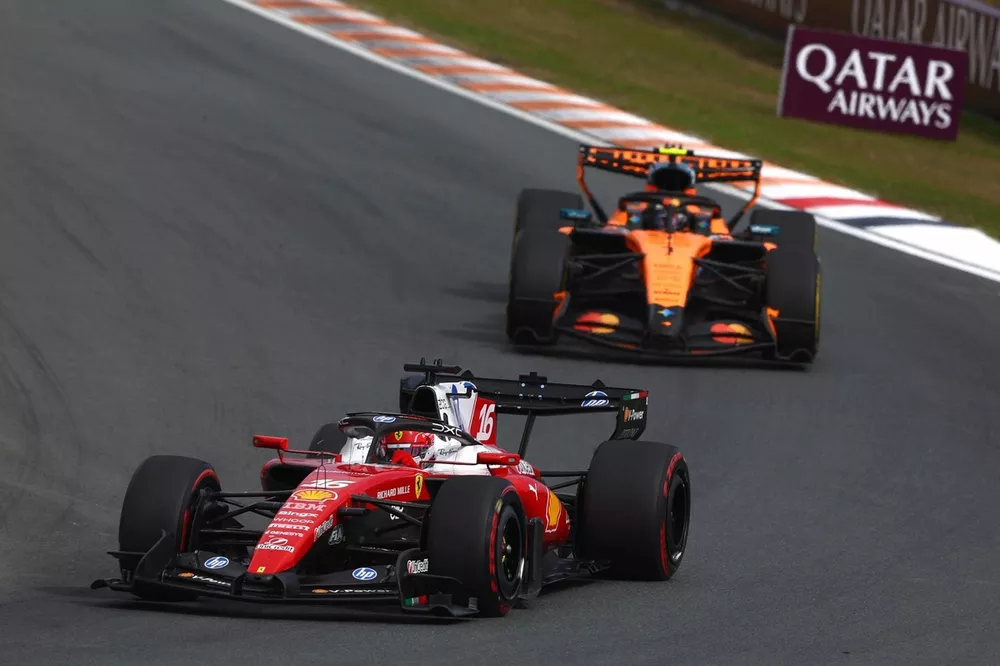
Leclerc snatches second from Norris in Dutch GP sprint after spotting energy deployment edge
-
 Formula 1 ·
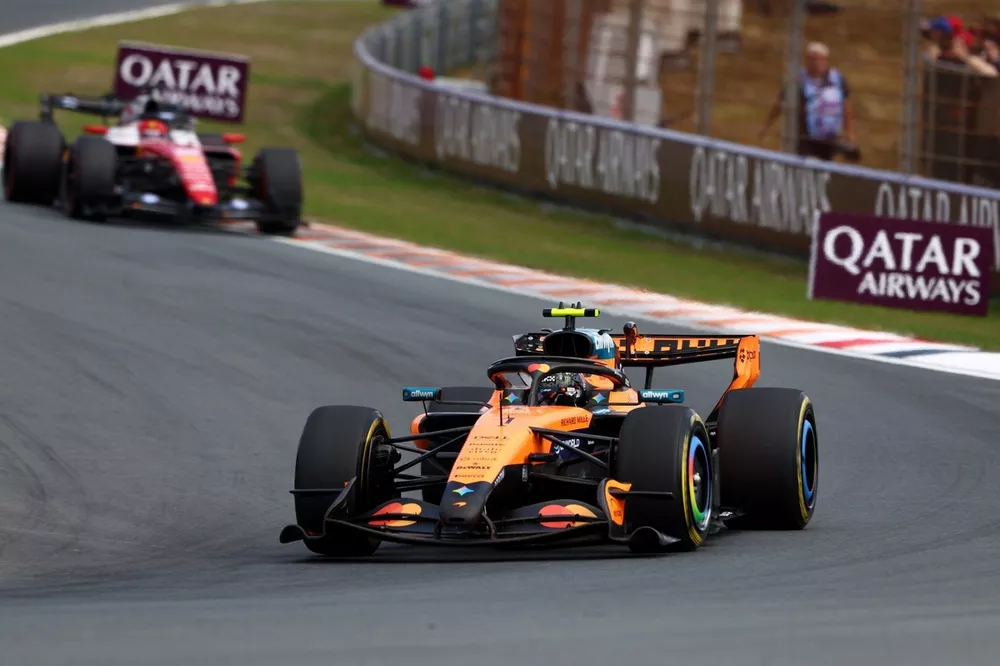
Norris admits McLaren 'nowhere near good enough' in slow-speed corners after Dutch GP sprint defeat
-
 Formula 1 ·
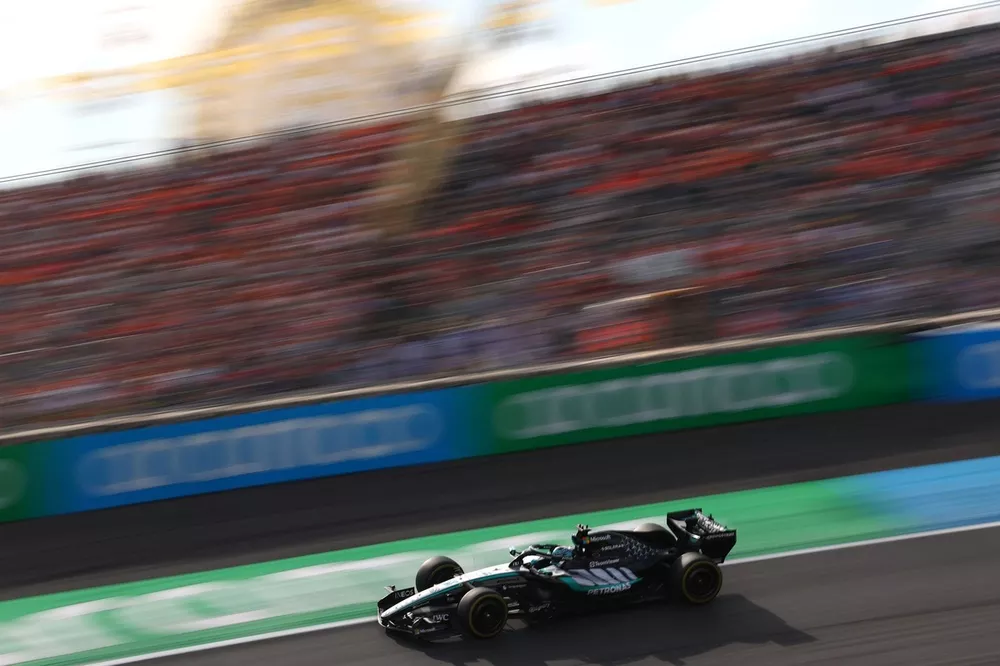
Russell dominates Dutch GP sprint as Leclerc snatches second from Norris at Zandvoort
-
 Formula 1 ·
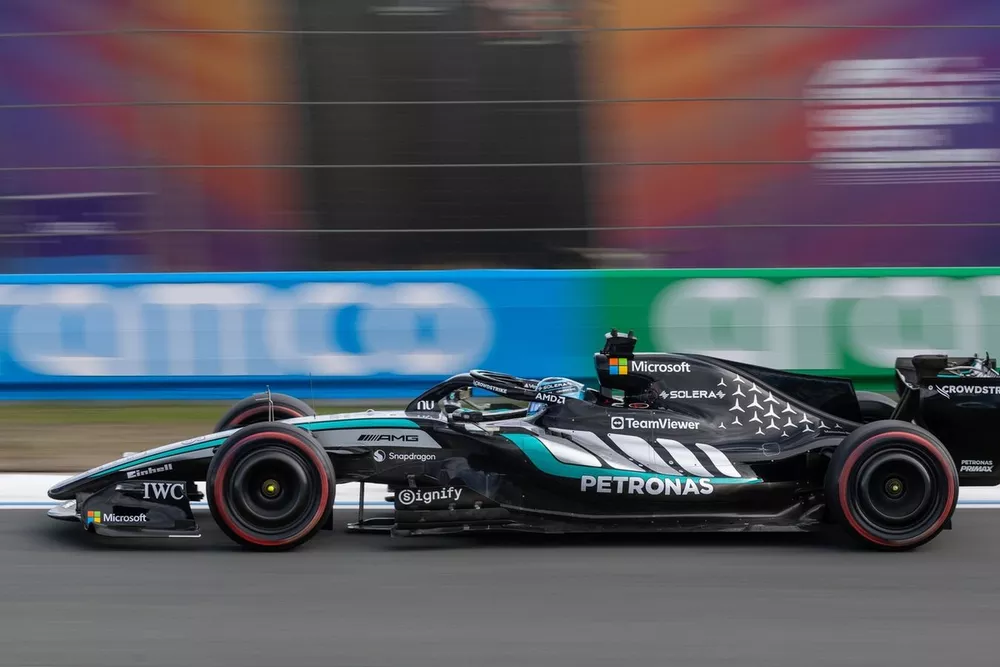
Russell dominates Zandvoort sprint for third Saturday win as Antonelli slips to fourth
-
 Formula 1 ·
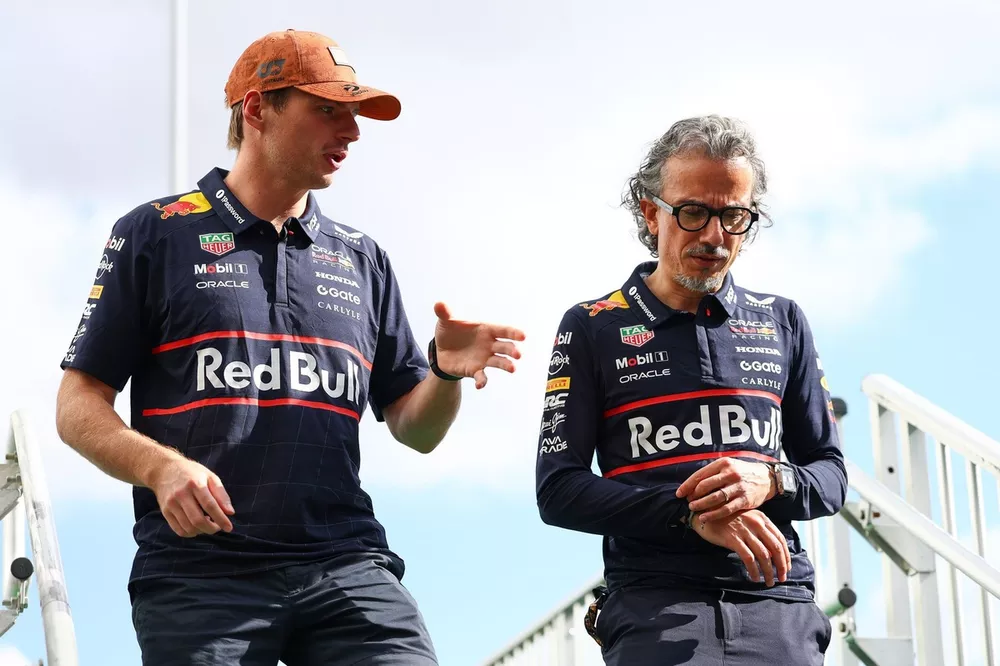
Verstappen's Red Bull contract extension until 2030 hailed as vindication of new team principal Mekies