F1 Commission fails to agree on 2027 engine split but approves extra testing day
Tuesday's Formula 1 Commission meeting ended without consensus on the proposed 60/40 internal combustion engine split for 2027, as technical and financial disagreements persist among power unit manufacturers. The meeting did approve a fourth day of pre-season winter testing for next year.
2 min read
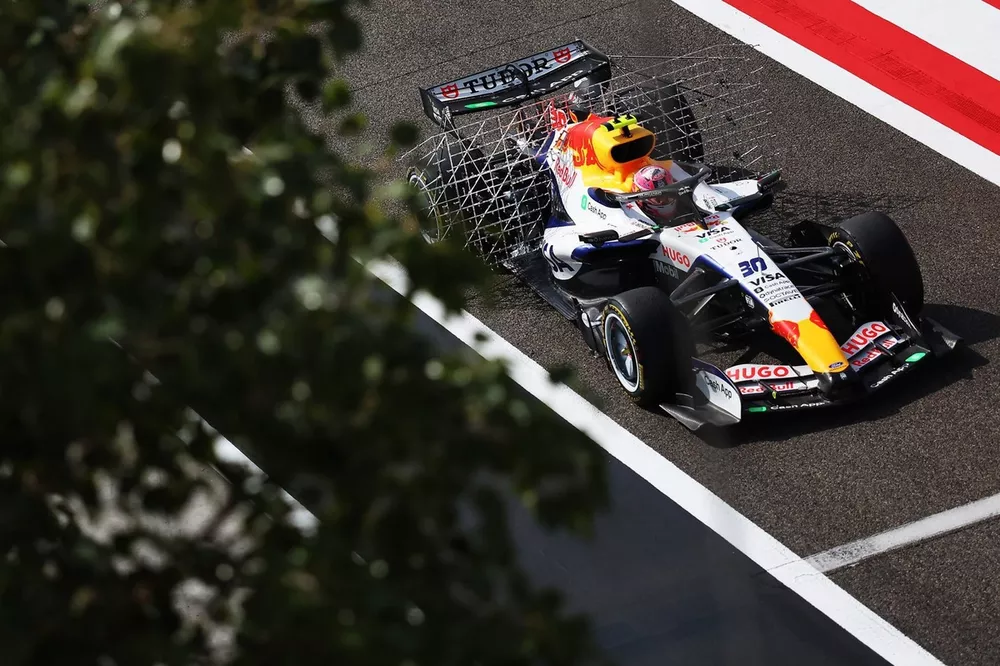
Tuesday’s Formula 1 Commission meeting concluded without a breakthrough on the proposed 2027 power unit changes, leaving the politically charged question of a revised engine power split unresolved ahead of the Monaco Grand Prix.
The proposal in question would shift the balance between the internal combustion engine and the electrical components to a 60/40 ratio — making the ICE slightly more prominent than under the existing 2026 regulations. The FIA had announced an “agreement in principle” on the changes before the Canadian Grand Prix, but the specific implementation has proven far more contentious behind closed doors.
On the chassis side, the picture is more straightforward. Several team principals indicated that concerns around the changes — including for teams wishing to carry over their chassis into 2027 — can be addressed. There is sufficient support for shortening some grands prix by a few laps and limiting reconnaissance laps to one per driver, measures that would remove the need for larger fuel tanks and avoid triggering a chassis redesign.
The power unit side is considerably more complex. Adjusting fuel flow raises immediate questions about which of several technical routes to pursue, and some options would require additional hardware changes. Honda has indicated that certain modifications would carry reliability implications — a significant concern for any manufacturer entering a new regulatory era.
The sensitivities differ across the six manufacturers. Ferrari has been heavily focused on its ADUO programme for several weeks. Audi and Honda are primarily concerned about the cost of further investment at a time when they are already committed to the 2026 power unit project. Any regulation change requires a supermajority — four of the six manufacturers must vote in favour — and General Motors, which holds voting rights as a new entrant, is widely expected to align with its engine partner Ferrari.
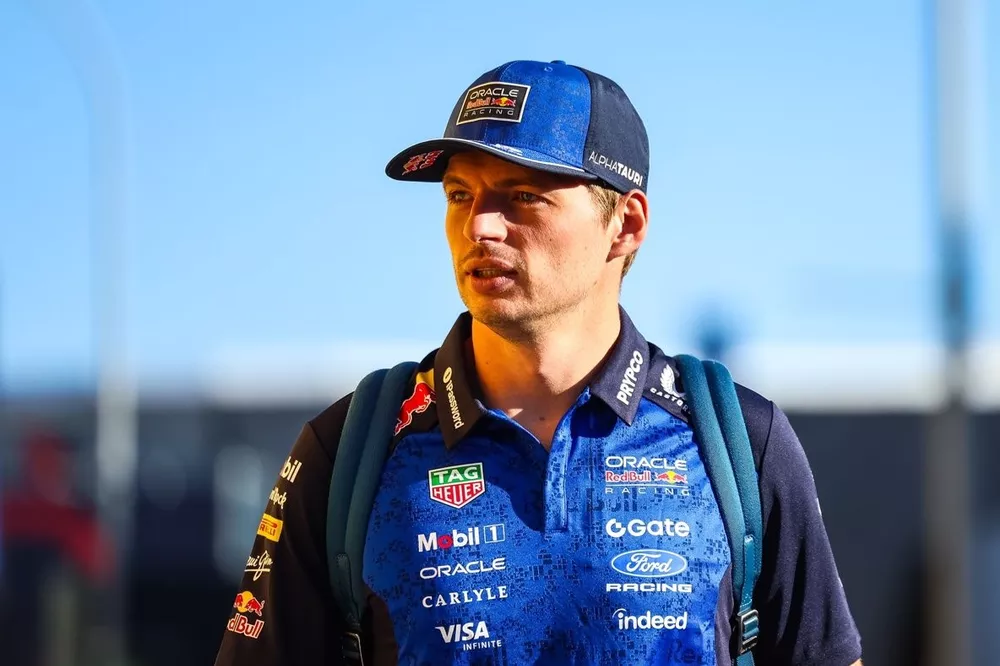
Several parties in Montreal called for clarity as soon as possible, a sentiment shared publicly by drivers including Max Verstappen. Despite that pressure, no agreement has emerged before Monaco, underlining how politically delicate the process remains.
Extra testing day and TPC rule changes approved
The Commission meeting did produce a small number of concrete outcomes. The proposal to extend pre-season winter testing from three to four days has been approved for 2027, though the venue has not yet been confirmed — Bahrain is understood to be the most likely option. Minor amendments to aerodynamic and bodywork components were also agreed, along with adjustments to the rules governing Testing of Previous Cars.
Read also
-
 Formula 1 ·
F1 Academy champion Doriane Pin urges young girls to 'dare to believe' in motorsport dreams
-
 Formula 1 ·
Formula 1 brings full 2026 grid to Hot Wheels Infinite Rush in first-ever F1 gaming crossover
-
Formula 1 ·
F1 Commission cuts 2027 race distances by 15km to manage new power unit fuel demands
-
 Formula 1 ·
Sainz urges Williams karting prodigy Will Green to embrace risk in single-seater step
-
 Formula 1 ·
Steiner predicts Verstappen will go winless in 2026 as Red Bull struggles persist
-
 Formula 1 ·
F1 Academy champion Doriane Pin targets Mercedes race seat within five years
 Italy U20 W