Eliminated by Spain, France plays first third-place match since 1986
Beaten 0-2 by Spain in the 2026 World Cup semi-finals, Kylian Mbappé's France will face the loser of the England-Argentina clash on Saturday in Miami for third place, a situation unseen for forty years.
1 min read
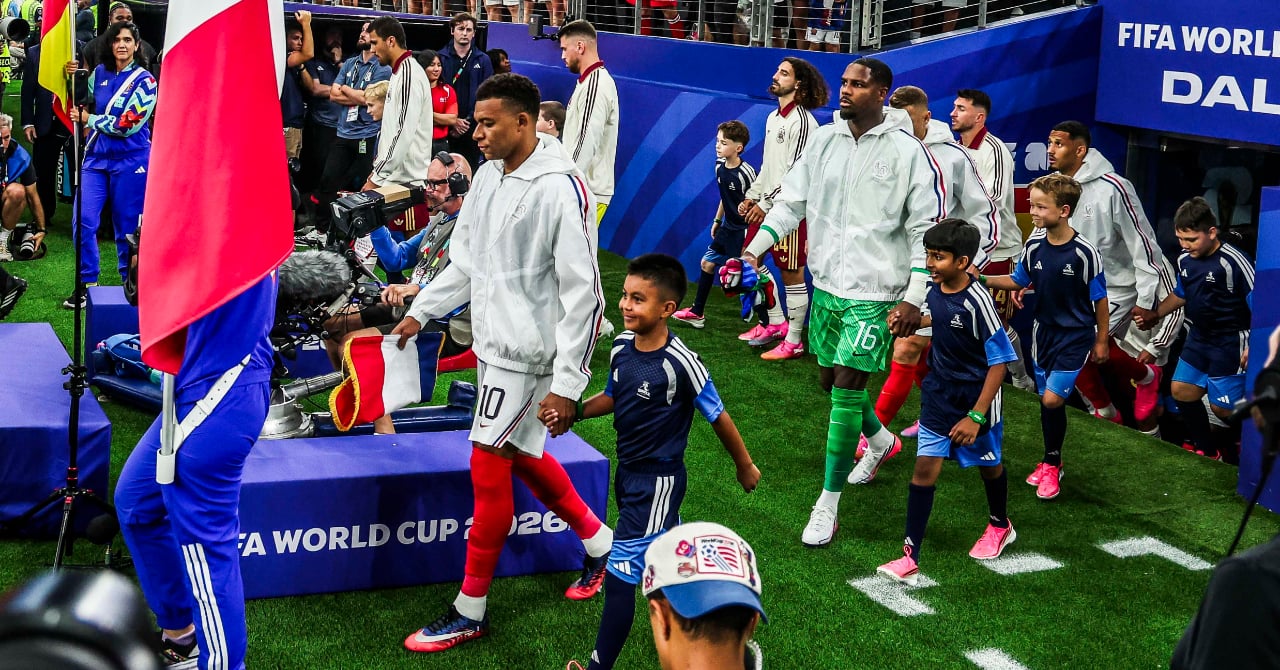
France will not play in the 2026 World Cup final. Swept aside 0-2 by Spain on Tuesday evening, Kylian Mbappé and his teammates will play the third-place match on Saturday in Miami, for the first time since 1986.
The opponent will be known after the semi-final between England and Argentina scheduled for Wednesday. Whatever the outcome of that clash, the task looks difficult for a France side still reeling from their elimination. The stakes remain real nonetheless: a third-place finish would be their best result in forty years, in a tournament where they are accustomed to finishing on the top two steps of the podium — winners in 1998, finalists in 2006 and 2022.
The last time France played this third-place match was in 1986 in Mexico, at the end of a glorious cycle opened by the European Championship title in 1984. For the occasion, the manager fielded a reshuffled team, and the Blues won in extra time against Belgium (4-2), thanks in particular to goals from Manuel Amoros, Jean-Marc Ferreri, Bernard Genghini and Jean-Pierre Papin.
France’s history in these third-place matches comes down to three previous occasions. In 1958, Just Fontaine scored four goals against West Germany in a 6-3 victory, bringing his total to 13 goals across the entire tournament — a world record still unbroken. In 1982, the Blues fell 3-2 against Poland. Didier Deschamps and his players thus have the opportunity to conclude this World Cup on a positive note before turning the page.
Read also
-
 Football ·
O'Reilly ruled out as Tuchel names England squad for Czechia Nations League trip
-
 Football ·
Real Madrid and Barcelona monitor Haaland as Manchester City's legal battle clouds his future
-
 Football ·
Pochettino condemns 'period of deception' after Man City found guilty of Premier League breaches
-
 Football ·
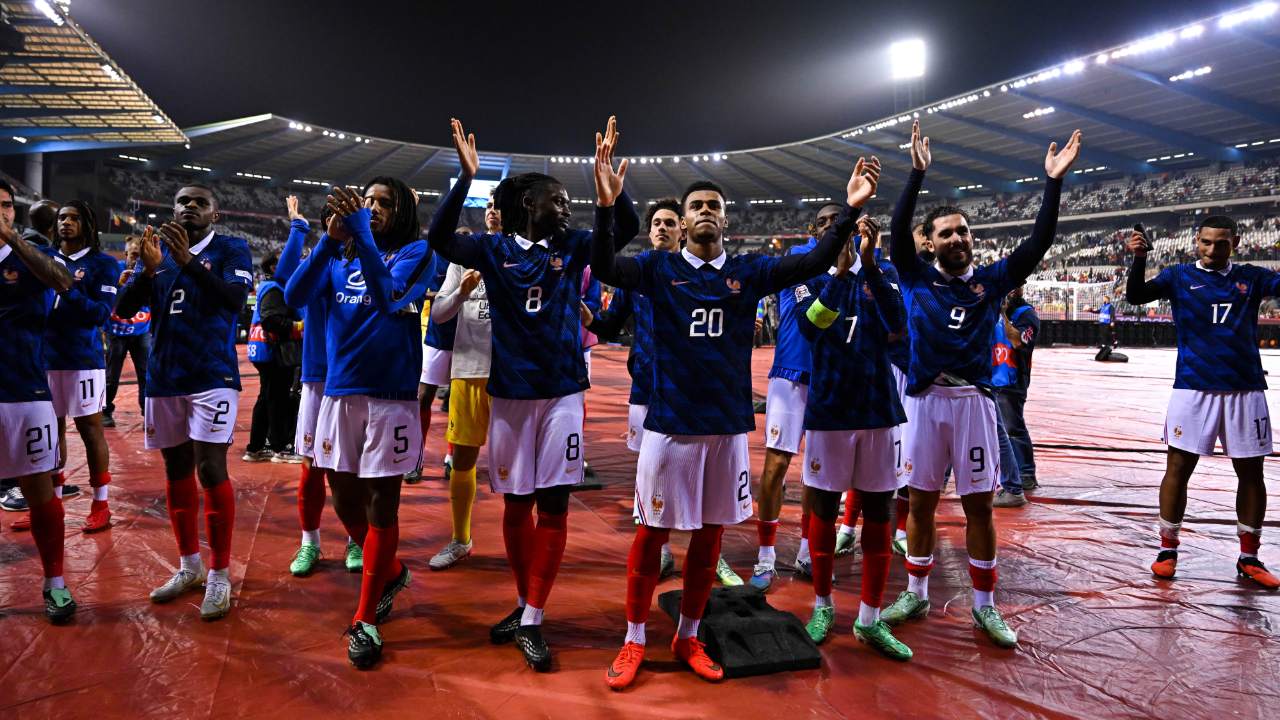
Doué electrifies France against Belgium, Jobard sees 'Michael Jordan'
-
 Football ·
Konsa sits out England group training but individual programme suggests load management, not injury
-
 Football ·
Rooney rejects hypothetical 2012 title medal despite Man City guilty verdict on 114 charges
 Tajikistan