Church of England defends World Cup prayer mocked for 'Hand of God' reference
The Church of England has been forced to defend a World Cup prayer that drew widespread ridicule online, after a clergy member raised the matter at the General Synod in York, citing its 'inauspicious' reference to Diego Maradona's infamous 1986 goal.
2 min read
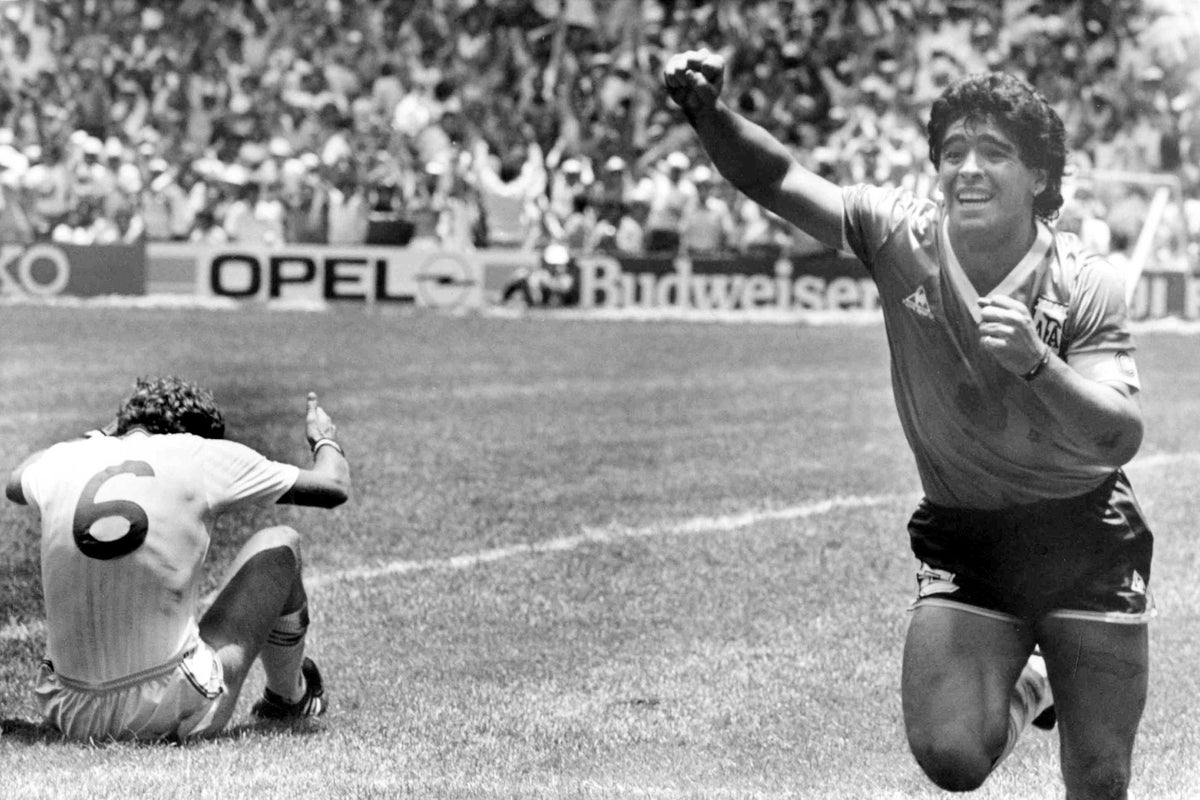
The Church of England faced questions at its General Synod in York this week over a World Cup prayer that was widely mocked online, with one clergy member describing it as suffering from “religious illiteracy” for its reference to the “hand of God”.
Published on the opening day of the tournament, the prayer called on people to “see and celebrate the hand of God in the creativity of every curving free kick, silky pass or impossible save” — an unfortunate turn of phrase given its association with Diego Maradona’s notorious handball goal against England at the 1986 World Cup, which helped send Argentina on their way to lifting the trophy.
The prayer also referenced “missed penalties, muddled VARs” and called for a “harmonious and joyous World Cup”, drawing reactions ranging from “cringe” to genuine uncertainty about whether it was a parody.
Reverend Jeremy Moodey, representing the Diocese of Oxford, submitted a written question to Synod asking how the prayer had been put together and who had signed it off, describing it as having been “widely ridiculed online for its religious illiteracy and the inauspicious reference to ‘the hand of God’”.
The Bishop of Lichfield, Michael Ipgrave, responding in his capacity as chairman of the liturgical commission, said prayers of this kind are “prepared by theologically trained staff and are subject to a process of internal review and sign-off”. He acknowledged “some critical comment” on X but argued the prayer “was positively received on other platforms such as Facebook, which reaches a broader audience”.
Ipgrave defended the Church’s approach to social media content more broadly, saying that prayers written specifically for those platforms “may often look and sound different” from formally authorised liturgical texts, and that they may use “register and idiom” unfamiliar to traditional church services.
“Occasions of national significance provide opportunities to engage people beyond the Church’s regular audiences,” he said, “which may involve the use of varied tone and format, including language that is more accessible, informal or light-hearted.”
The episode has prompted a broader conversation within the Church about how it communicates with secular audiences, and whether the pursuit of relevance risks undermining the credibility of its messaging.
Read also
-
 Football ·
Man City found guilty of hiding £900m but key evidence still withheld from public
-
 Football ·
Amad hints at imminent United return as Carrick weighs up fresh injury concerns
-
 Football ·
Gueye becomes Mans shareholder: his 2022 rainbow armband refusal resurfaces
-
 Football ·
Man City face League Two expulsion as Premier League clubs push for swift verdict
-
 Football ·
Independent Football Regulator warns it will scrutinise Manchester City ownership after guilty verdict
-
 Football ·
Manchester City owners face suitability probe after guilty verdict on £900m financial fraud

 Argentina