Nobby Stiles died with traumatic brain injury linked to heading, coroner confirms
A Greater Manchester coroner has ruled that a full inquest must be held into the 1966 World Cup winner's death after a neuropathology expert found Nobby Stiles died with chronic traumatic encephalopathy alongside Alzheimer's disease, both linked to repeated heading of a football.
2 min read
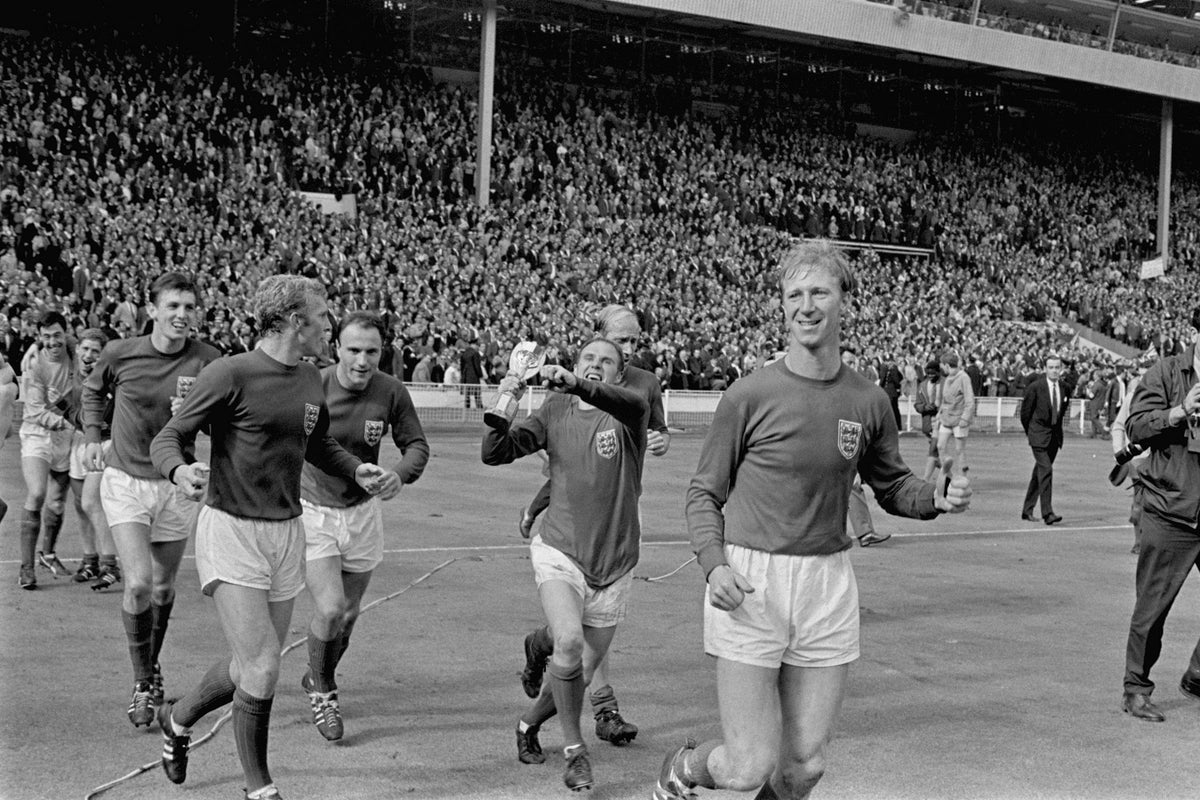
Nobby Stiles, England’s 1966 World Cup winner and former Manchester United midfielder, died with chronic traumatic encephalopathy (CTE) — a traumatic brain injury associated with repeated head trauma — Stockport Coroner’s Court was told on Wednesday. Area coroner Chris Morris ruled that a full inquest into Stiles’s death is required, with a hearing scheduled for 15 July.
Neuropathology expert Dr Daniel du Plessis examined brain samples and medical records and concluded that Stiles’s primary cause of death was Alzheimer’s disease, but that it was contributed to by high-stage CTE, stage-three limbic predominant age-related TDP-43 encephalopathy, and small vessel cerebrovascular disease. Morris said he was satisfied that the inclusion of a traumatic injury in the cause of death made a formal inquest necessary.
Stiles, born in Manchester in 1942, died in October 2020 at the age of 78 after a long illness. He was capped 28 times by England and made nearly 400 appearances for Manchester United. His son John has previously said that football “killed” his father, and the family has since campaigned for football authorities to provide greater support to former players suffering injuries they believe were sustained during their playing careers.
Morris noted that, “for reasons not entirely clear to me”, Stiles’s death was not reported to the coroner’s office at the time and that the investigation had only begun following information provided by the family.
The case adds to a growing body of legal and medical scrutiny surrounding brain injuries in football. In January, an inquest into the death of Gordon McQueen — the former Scotland, Manchester United and Leeds United defender who died aged 70 — found that heading the ball was “likely” to have contributed to a CTE diagnosis that was a factor in his death. McQueen’s daughter, TV presenter Hayley McQueen, said at the time that England’s 1966 World Cup-winning squad had been “pretty much wiped out” by neurodegenerative disease.
John Stiles leads Football Families for Justice, a campaign group pressing football’s governing bodies to take greater responsibility for the long-term health of former players.
Read also
-
 Football ·
Man City found guilty of hiding £900m but key evidence still withheld from public
-
 Football ·
Amad hints at imminent United return as Carrick weighs up fresh injury concerns
-
 Football ·
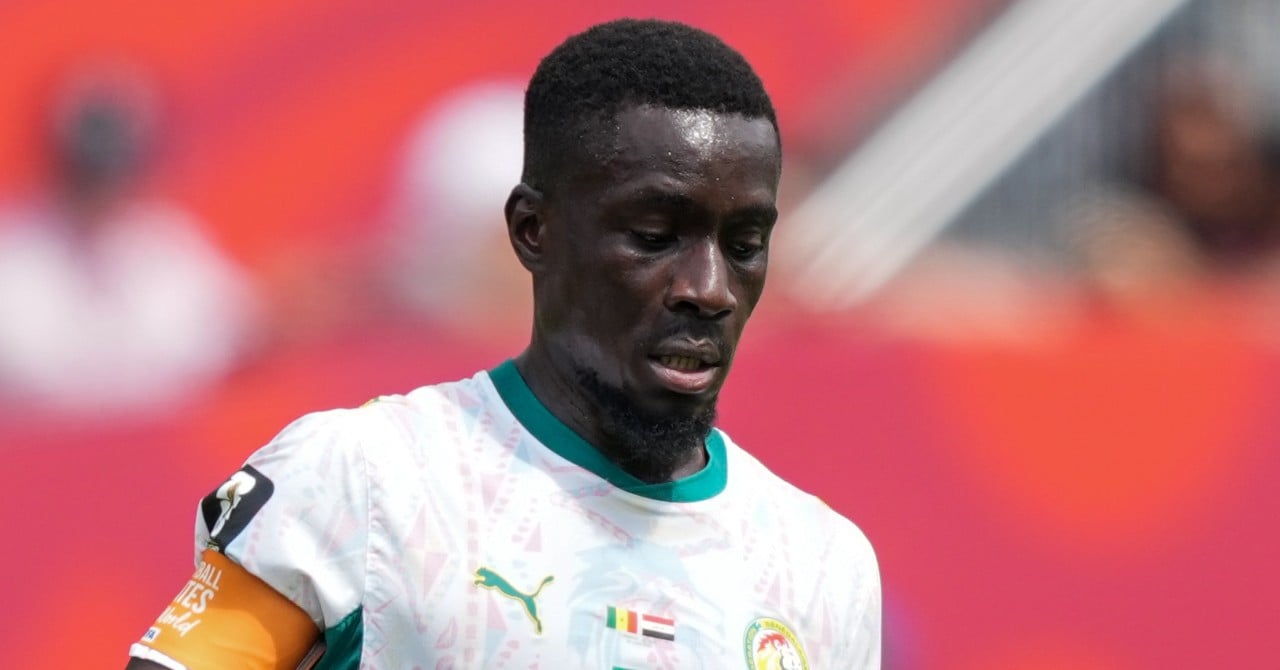
Gueye becomes Mans shareholder: his 2022 rainbow armband refusal resurfaces
-
 Football ·
Man City face League Two expulsion as Premier League clubs push for swift verdict
-
 Football ·
Independent Football Regulator warns it will scrutinise Manchester City ownership after guilty verdict
-
 Football ·
Manchester City owners face suitability probe after guilty verdict on £900m financial fraud

 Argentina