Camavinga back in France squad, but RMC's explanation was wrong
Recalled by Zinédine Zidane for France's Nations League gathering, Eduardo Camavinga had never actually been coached by the new manager at Real Madrid, contrary to what an RMC pundit claimed.
1 min read
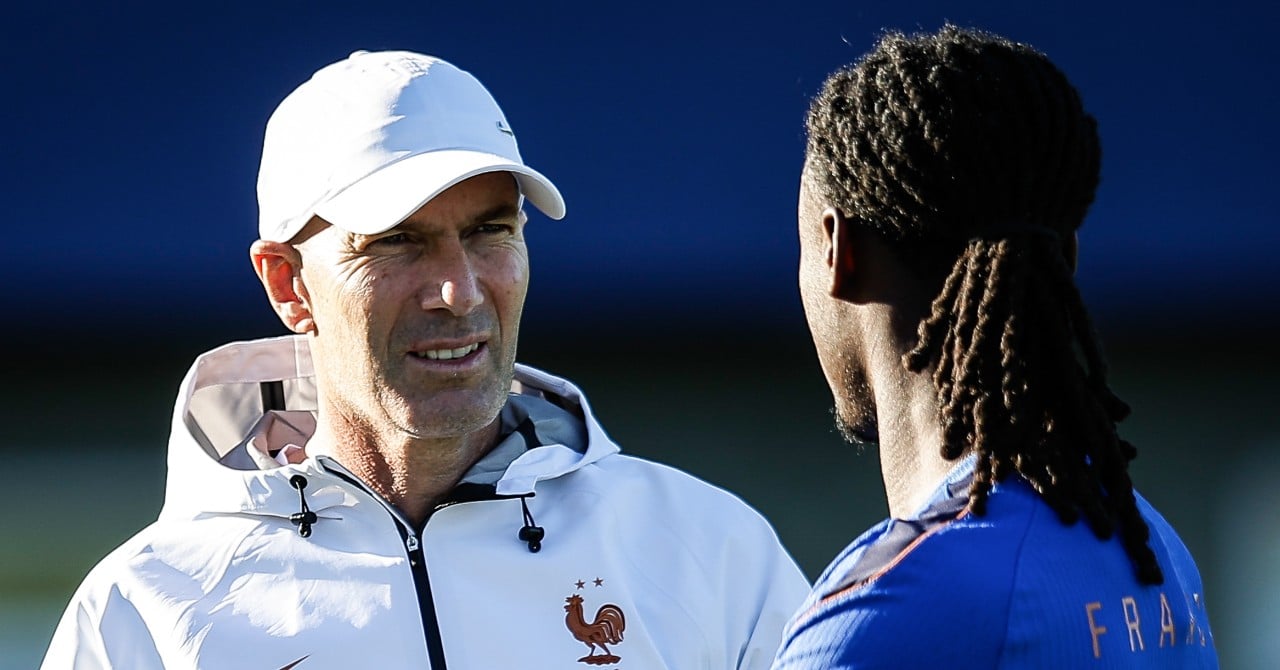
Eduardo Camavinga returned to the France squad during the first gathering of the Zinédine Zidane era, six months after being left out by Didier Deschamps for the 2026 World Cup. The Real Madrid midfielder came on in the 78th minute against Turkey in the Nations League, replacing Rayan Cherki.
To explain this return to favour, RMC pundit David Gluzman advanced a relationship of trust forged between Camavinga and Zidane at Real Madrid. “Zidane always liked Camavinga when he was Real’s manager. Every manager has his guy,” he said.
The claim is however inaccurate. Camavinga joined Real Madrid at the end of the summer 2021 transfer window, just weeks after Zidane left the Madrid bench. It was Carlo Ancelotti who welcomed and managed him, not the future France manager. The two men never shared the same season at the Bernabéu.
No other panellist present at the table flagged the error at the time. Gluzman, who describes himself as a “football banker” on social media, has since acknowledged his mistake: “It was me who made the error. I apologize. I was convinced they had spent a season together.”
Camavinga’s return to the national team therefore remains to be explained by reasons other than this supposed complicity with Zidane — whether it be the player’s form, the new manager’s tactical choices, or simply the desire to turn the page after his absences under Deschamps.
Read also
-
 Football ·
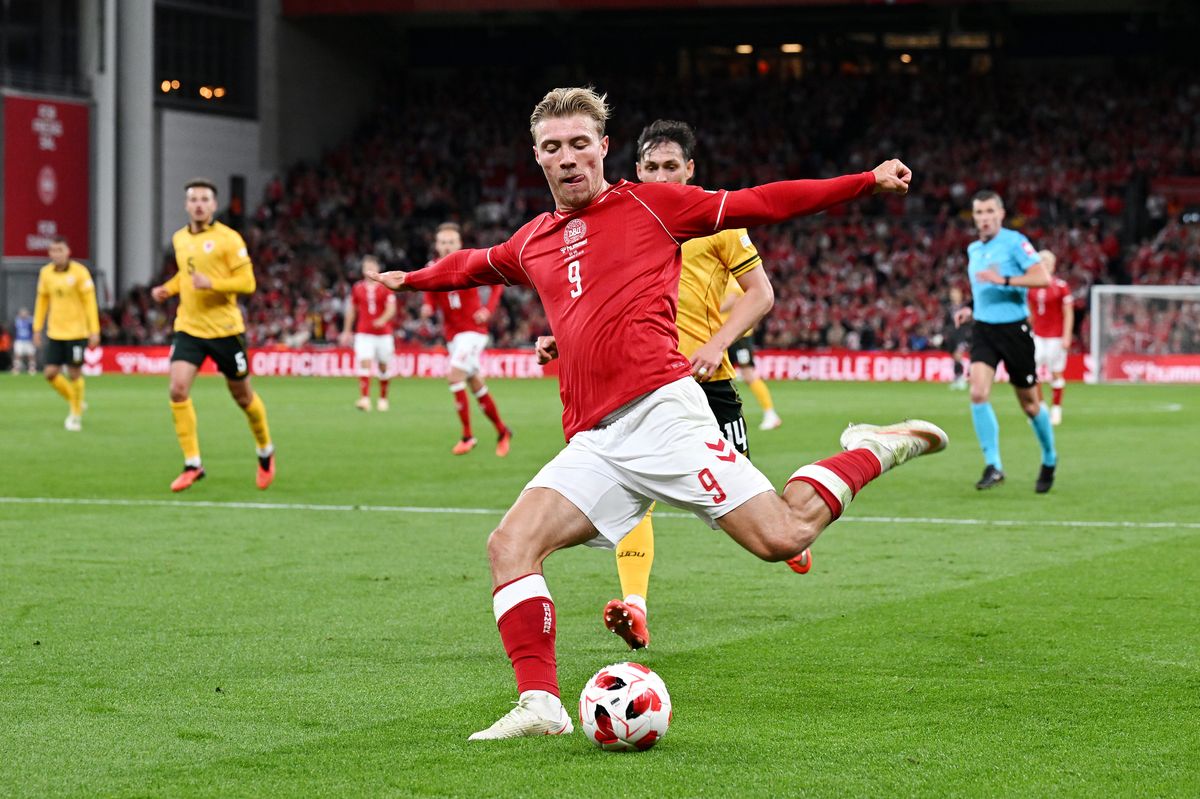
Hojlund left in disbelief as Denmark goal ruled own goal in 2-0 win over Wales
-
 Football ·
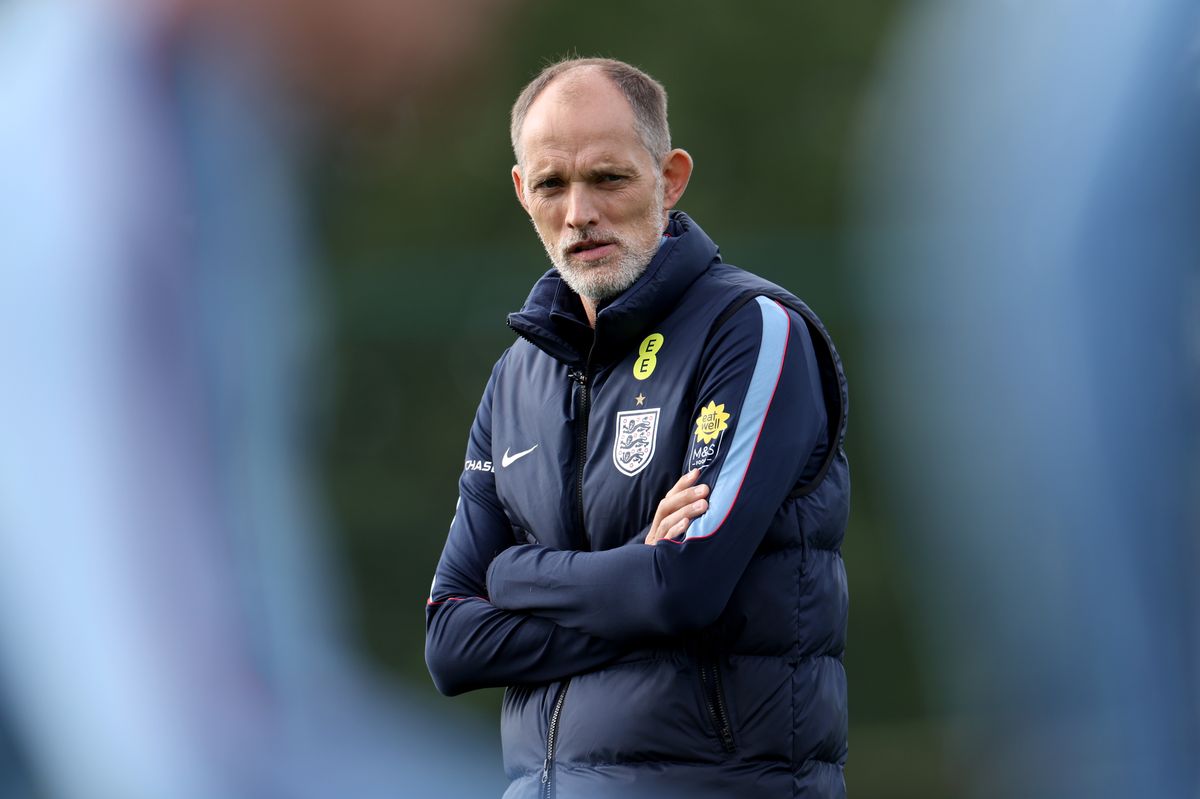
Konsa and O'Reilly miss England training ahead of Nations League trip to Prague
-
 Football ·
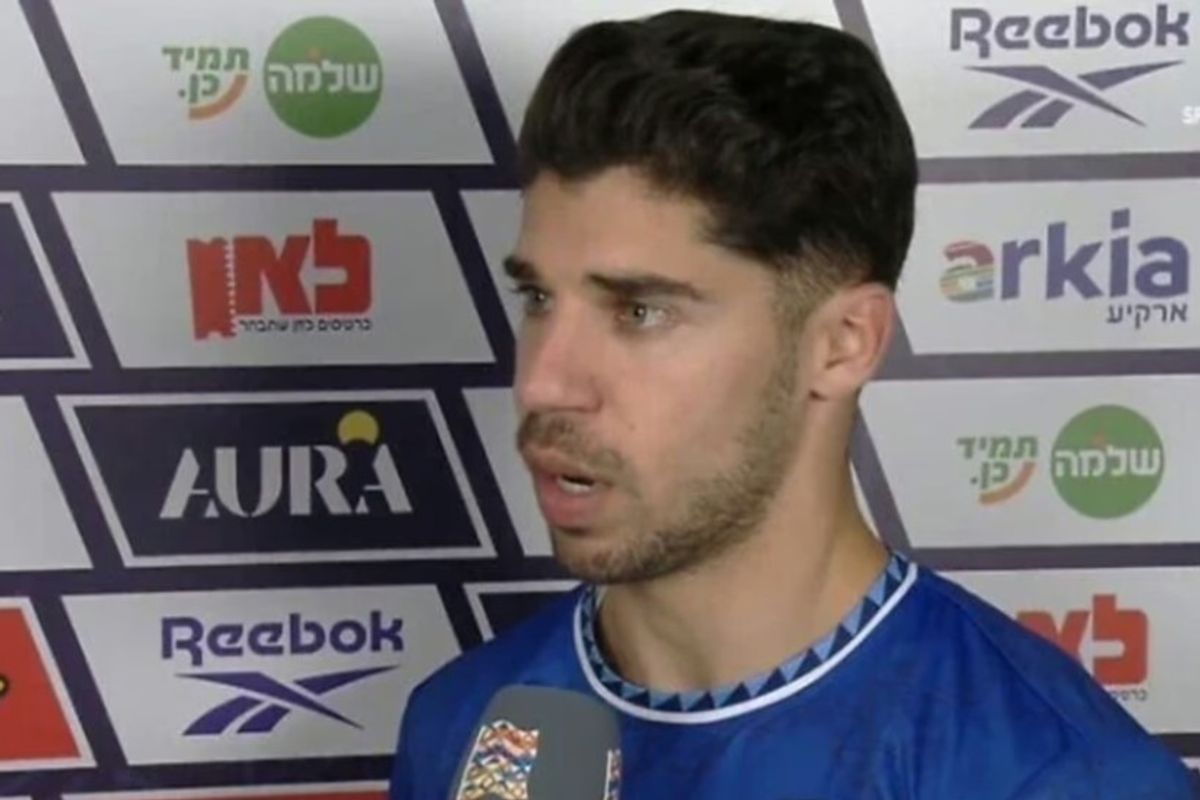
Solomon warns of UEFA ban risk after Israel's 3-0 Nations League defeat to Ireland
-
 Football ·
Bellingham's seven World Cup goals earn him second successive England Player of the Year
-
 Football ·
Haaland insists Manchester City is 'home' as Real Madrid and Barcelona circle amid charges fallout
-
 Football ·
Djibril Cisse fires back at Wayne Rooney over 2012 Man City title conspiracy claims
 Slovakia U19