Brundle calls Monaco GP penalty saga 'a mess' as McLaren and Red Bull appeals loom
Martin Brundle has labelled the Monaco Grand Prix pitlane penalty controversy and Pierre Gasly's reinstated podium 'a mess with no easy solution', warning the fallout could set a dangerous precedent as McLaren and Red Bull pursue appeals.
2 min read
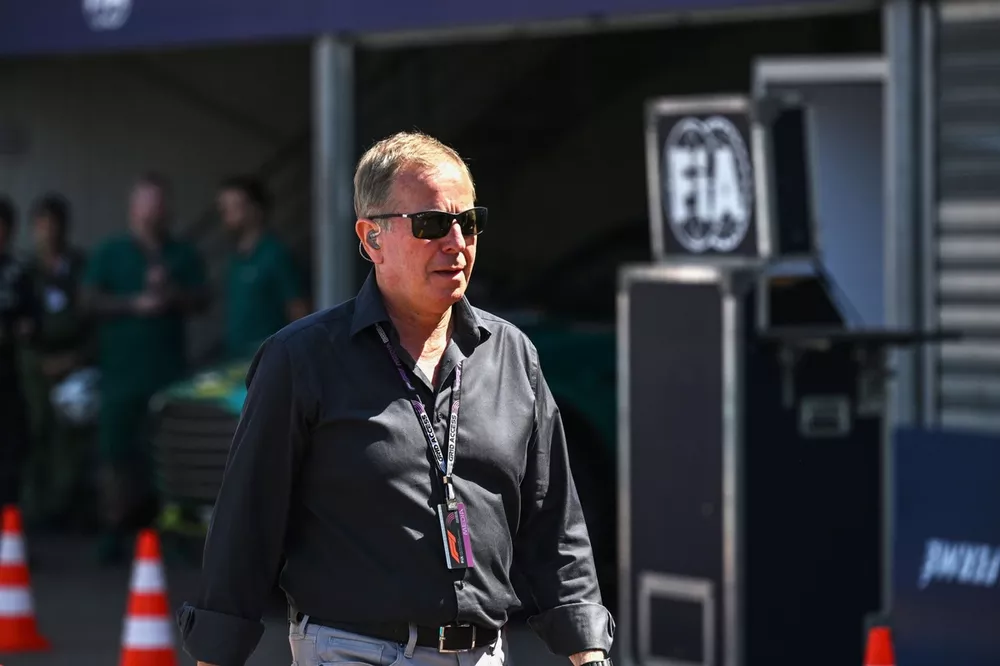
Martin Brundle has described the Monaco Grand Prix pitlane penalty saga as “a mess with no easy solution”, warning that Pierre Gasly’s reinstated podium raises uncomfortable questions for Formula 1’s stewarding process — and that the story is far from over.
Writing in his post-race column after the Barcelona-Catalunya Grand Prix, where Lewis Hamilton claimed his first victory for Ferrari, the former F1 driver and analyst turned his attention to the controversy that has overshadowed Monaco’s aftermath.
Several drivers were penalised during the Monaco Grand Prix for exceeding the 60kph pitlane speed limit. Most served their penalties during the race and adjusted their strategies accordingly. Gasly, however, finished third on the road only to have time added after the chequered flag, dropping him off the podium. Alpine subsequently lodged a right of review, providing new evidence that cleared Gasly — evidence that had not been available to the stewards at the time. His podium was reinstated ahead of the Barcelona weekend.
McLaren and Red Bull, whose drivers were directly affected either by serving in-race penalties or by the reshuffled results, have now launched appeals. Mercedes had also begun the process but has since withdrawn.
Brundle was pointed in his assessment of the situation. “That’s a very complicated and uncomfortable decision,” he wrote of Gasly’s reinstatement. “Other drivers in Monaco had served their penalties and adjusted strategies accordingly, and Russell’s race was destroyed, but because they were not post-race penalties nothing was changed for them retrospectively in the results.”
He also flagged a broader structural risk the episode has exposed. “This also sets a precedent of not serving marginal in-race penalties to preserve the right to contest them post-race,” Brundle wrote — a concern that strikes at the integrity of real-time race management.
A technical explanation has since emerged for why so many drivers triggered the limit in the first place. “It turns out one of the timing loops in the Monaco pit lane was 77cm shorter than calibrated,” Brundle noted, “hence lots of 60.1kph recordings when the limit was 60kph.”
He offered little optimism that a clean resolution is close. “Lessons will be learned no doubt,” he concluded, “and the story will presumably run a while.”
Read also
-
 Formula 1 ·
Antonelli leads Norris by two tenths in red-flag-hit Belgian GP practice
-
 Formula 1 ·
Championship leader Antonelli opens up on fame's pressures ahead of Belgian GP
-
 Formula 1 ·
Ocon reveals Spider-Man helmet to Tom Holland ahead of Belgian and Hungarian GPs
-
 Formula 1 ·
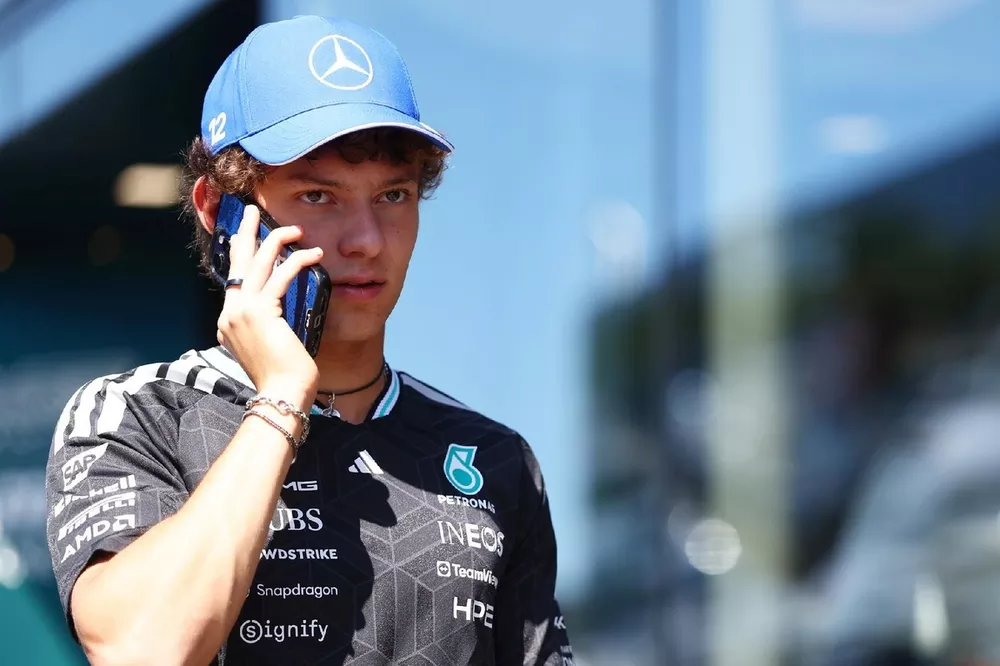
Montoya warns Antonelli that a shrinking points lead is a mental trap
-
 Formula 1 ·
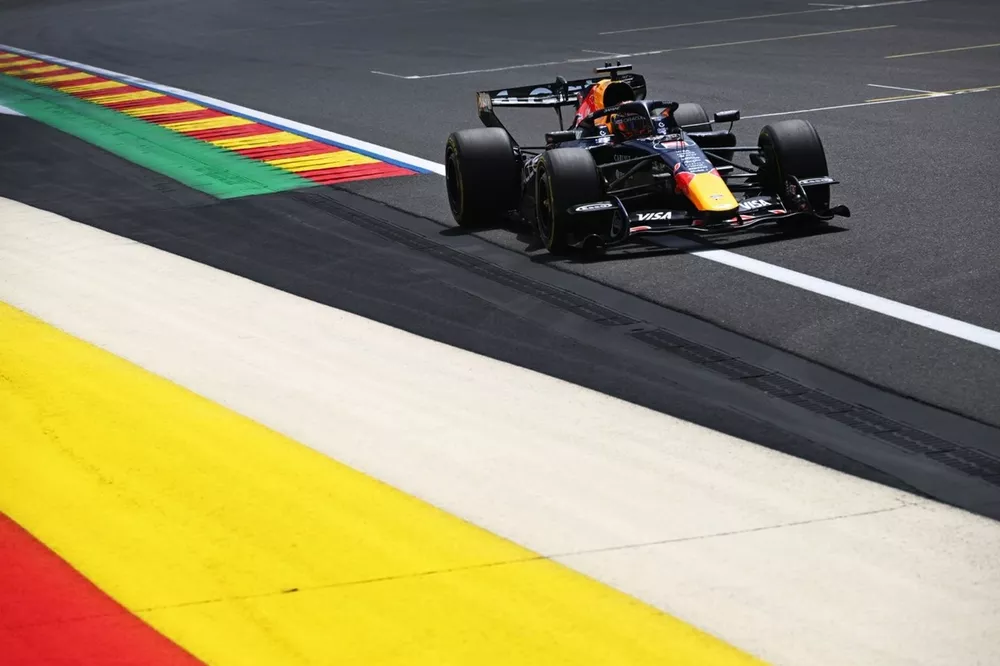
Verstappen edges Hamilton by a tenth to lead Ferrari-Red Bull battle in Belgian GP practice
-
 Formula 1 ·
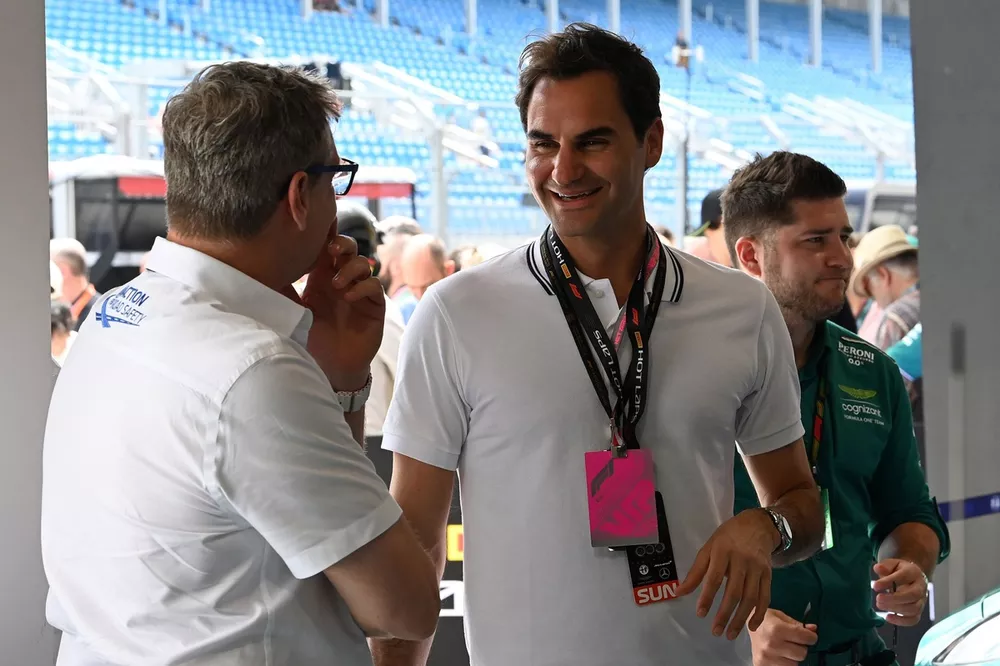
Championship leader Antonelli reveals Federer's pressure advice ahead of Belgian Grand Prix