Blair pinpoints conversion rate as All Blacks seek series-levelling win in Baltimore
Attack coach Mike Blair has highlighted New Zealand's failure to turn pressure into points as the key area to fix ahead of the final match of the Greatest Rivalry tour against South Africa in Baltimore, despite the All Blacks posting 13 tries across the first three Tests.
2 min read

Mike Blair has identified converting pressure into points as the central challenge facing the All Blacks as they prepare for a must-win final match against South Africa in Baltimore, with New Zealand needing a victory to level the Greatest Rivalry series.
Speaking to reporters in Washington on Monday, the All Blacks attack coach struck a broadly positive tone, pointing to 12 line breaks and 13 tries across the three-Test South Africa leg of the tour as evidence that the team’s attacking system is functioning. New Zealand actually outscored the Springboks in points and tries during that stretch, despite winning only once.
“I mean 12 line breaks is a great stat for us. Four tries against South Africa in game three isn’t a bad stat; 13 tries in three games,” Blair said after a training session in sweltering heat. “We are scoring tries, we are creating line breaks; we certainly want to convert another couple of them, but we’re also aware that you can’t convert them all.”
His concern, however, is what happens when those attacking opportunities break down. Blair stressed that turnovers slow the game and hand momentum back to a South Africa side built on set-piece dominance and physicality — precisely the conditions the All Blacks want to avoid.
“We don’t want them to finish in a turnover, because if it finishes in a turnover, it goes to a set piece. It slows the game down a bit. It feeds their strength,” he said. “So our balance between finishing our opportunities and keeping the pressure on through a multi-phase is really important; build scoreboard pressure, and that might be through kicking a goal.”
New Zealand attempted just one penalty kick across the entire three-Test series — a Ruben Love effort that went wide in Johannesburg — and Blair acknowledged that their ability to accumulate points through the boot, not just through tries, needs to improve.
On the question of player autonomy, Blair was clear that while he sets the framework, the intelligence within the squad is a resource he intends to keep using. “We’ve got brilliant intellect within the team; within the backs and within the forwards. And so for me not to use that intel would be naive,” he said. “There’s some framework that we’ve got, but there’s definitely freedom within that.”
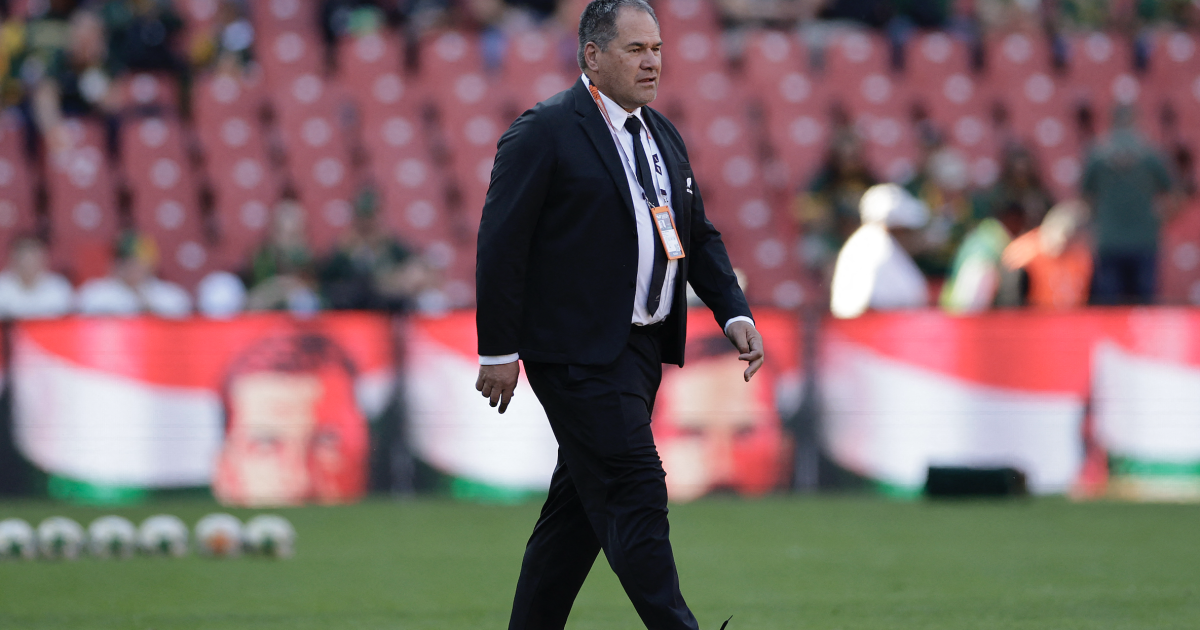
Blair and head coach Dave Rennie have also continued to emphasise breakdown speed throughout the tour, a hallmark of Rennie’s coaching philosophy. Blair noted that ruck speed and gain-line dominance must work in tandem, and pointed to improvement in the gain-line battle across the three Tests against a notoriously collision-heavy Springbok defence as an encouraging sign heading into Baltimore.
Read also
-
 Rugby ·
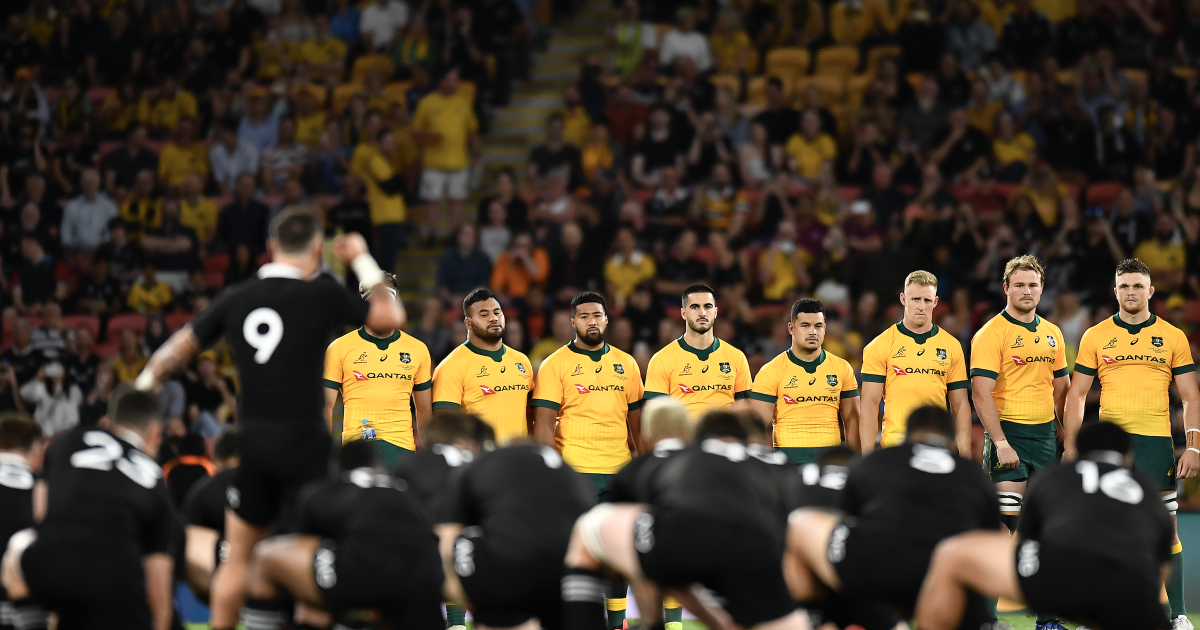
Wallabies and All Blacks to clash at MCG on July 31 in 2027 Bledisloe Cup
-
 Rugby ·
Savea and ten others ruled out as All Blacks name injury-hit Nations Championship squad
-
 Rugby ·
Borthwick names 36-man England squad with Spencer and Hill among notable omissions
-
 Rugby ·
Ratier sees progress but admits injuries are mounting after France's third straight Black Ferns defeat
-
 Rugby ·
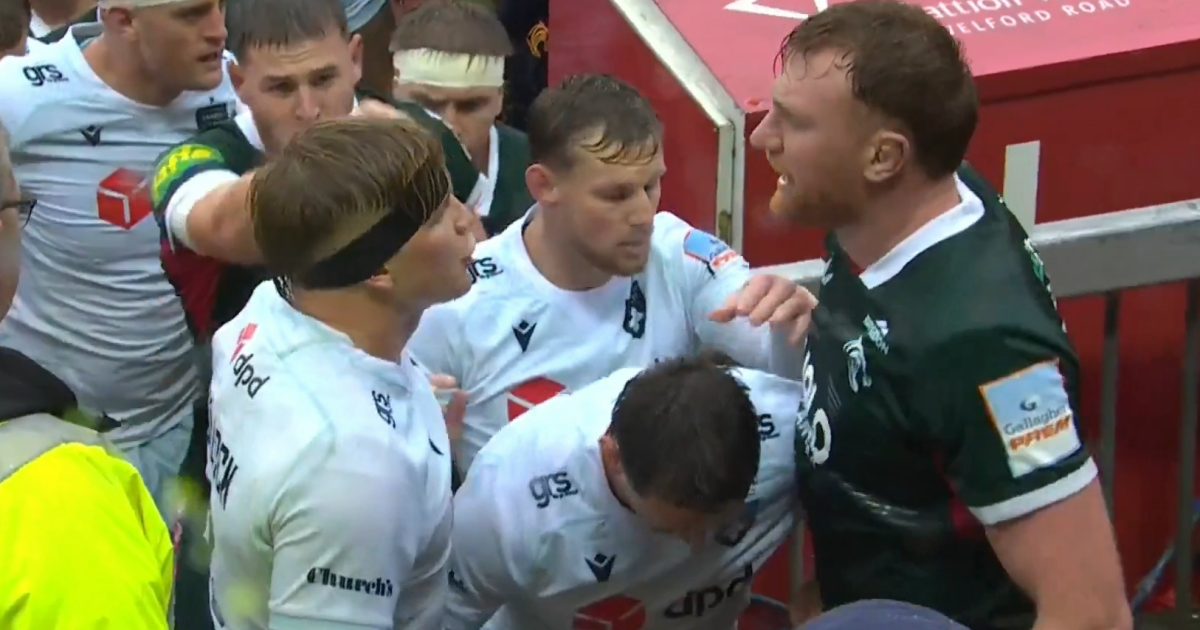
Leicester mock Pollock as 'child in Saints kit' after 28-7 derby demolition
-
 Rugby ·
Redelinghuys finds silver lining as Australia A rout USA XV 61-12 in Nashville