Ben Sulayem targets 630kg F1 cars and V8 return by next engine cycle
FIA president Mohammed Ben Sulayem has set a target of reducing Formula 1 car weight to as little as 630kg by the next engine cycle, a cut of nearly 140kg from the current 768kg minimum, while reaffirming his push for a return to V8 engines with reduced electrification.
2 min read
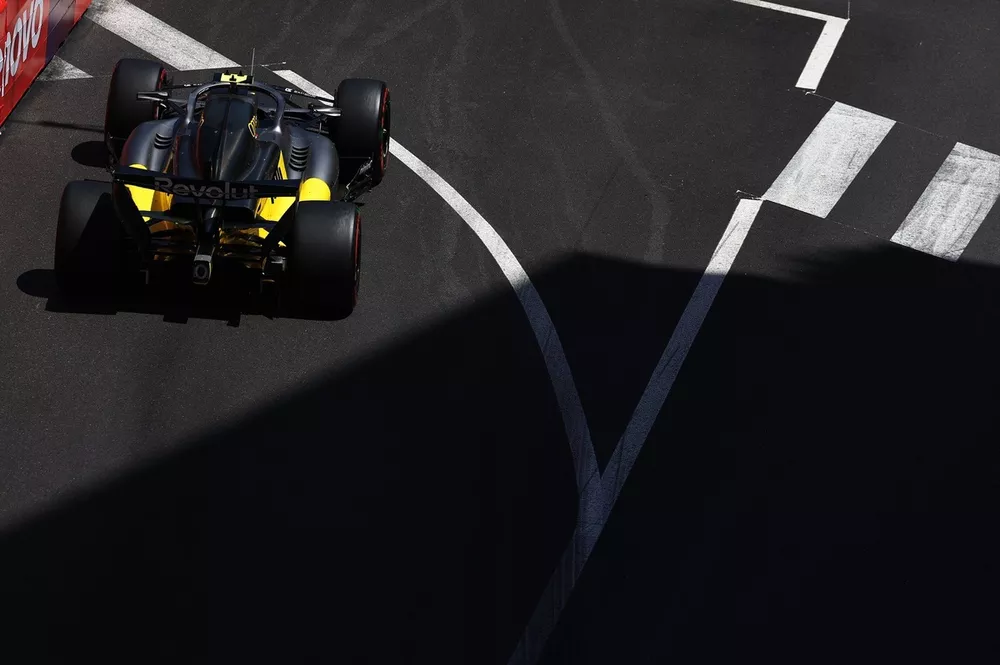
FIA president Mohammed Ben Sulayem wants Formula 1 cars to weigh no more than 630kg by the sport’s next engine cycle — a reduction of nearly 140kg from the 768kg minimum weight that applies to the current 2026-generation machinery.
Speaking in an interview with French broadcaster Canal+, Ben Sulayem argued that lighter, cheaper and less complex cars would benefit both teams and spectators. “What is the worst thing in the cars now?” he said. “Complexity, more money, expenses, and also big car. A big and heavy car means what? Means it is not safe. We added 50 kilograms because of the safety. But now I would like to see a car, a total complete car for less than 650 kilograms. My target is 630.”
F1’s minimum weight has climbed steadily over the past decade, driven by larger chassis, increasingly sophisticated hybrid power units, reinforced crash structures and additional safety systems. Ben Sulayem acknowledged those safety requirements have contributed to the upward trend, but believes the sport can return to weight levels last seen roughly 15 years ago.
Central to his vision is a simplified engine formula that would significantly reduce the role of electrical components. The FIA president envisions electrification accounting for around 10% of total power output — a sharp contrast to the complex hybrid architecture of current and incoming power units. He also reiterated his support for a return to naturally aspirated V8 engines. “The V8 has to come,” he said. “You have the power from the ICE engine of maybe 760 horsepower with 10% in it of electrification. That would give it the sound. It would be much cheaper. And R&D, research and development, much cheaper. As an engine alone, much lighter, enjoyable, and the sound will come for the spectators.”
Ben Sulayem also argued that reviving the V8 format would not undermine F1’s environmental credentials, pointing to the series’ switch to fully sustainable fuels under the 2026 regulations as evidence that performance and sustainability can coexist without heavy electrification.
Achieving even the broader sub-650kg threshold would represent a formidable engineering challenge, requiring teams and manufacturers to strip more than 100kg from cars while preserving modern safety standards. Whether Ben Sulayem’s targets gain traction with F1’s commercial rights holder, the teams and the engine manufacturers — several of whom have invested heavily in hybrid technology — remains to be seen.
Read also
-
 Formula 1 ·
F1 Academy champion Doriane Pin urges young girls to 'dare to believe' in motorsport dreams
-
 Formula 1 ·
Formula 1 brings full 2026 grid to Hot Wheels Infinite Rush in first-ever F1 gaming crossover
-
Formula 1 ·
F1 Commission cuts 2027 race distances by 15km to manage new power unit fuel demands
-
 Formula 1 ·
Sainz urges Williams karting prodigy Will Green to embrace risk in single-seater step
-
 Formula 1 ·
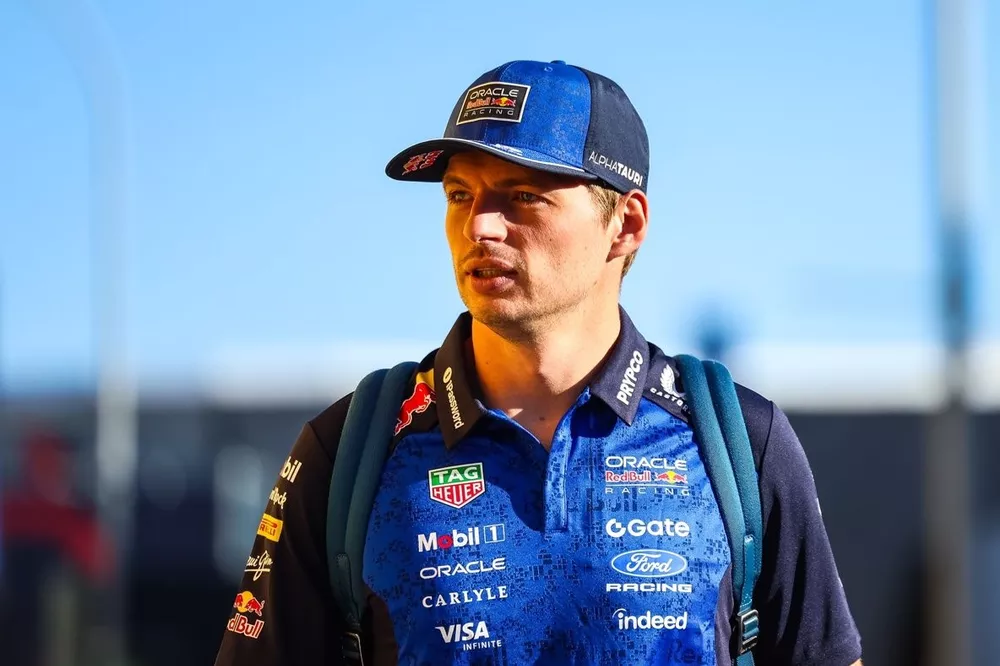
Steiner predicts Verstappen will go winless in 2026 as Red Bull struggles persist
-
 Formula 1 ·
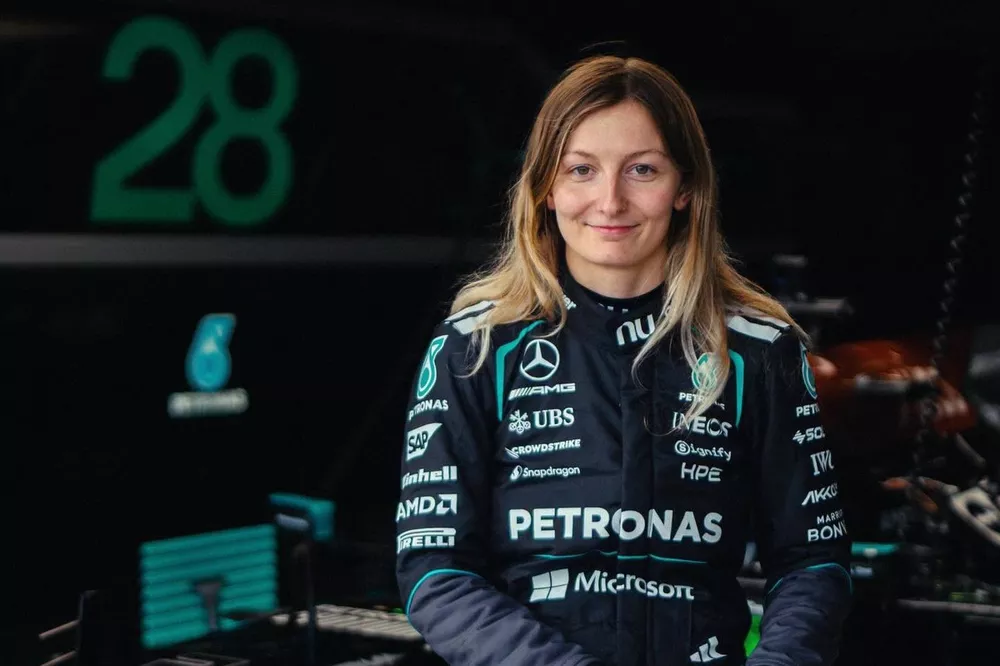
F1 Academy champion Doriane Pin targets Mercedes race seat within five years