Ballon d'Or 2026: Guti Accuses Manipulation After Kane's London Triumph
Harry Kane won the 2026 Ballon d'Or at a ceremony held in London, ahead of Mbappé and Yamal. Former Real Madrid midfielder Guti immediately denounced a "troubling coincidence" without providing evidence of irregularities.
1 min read
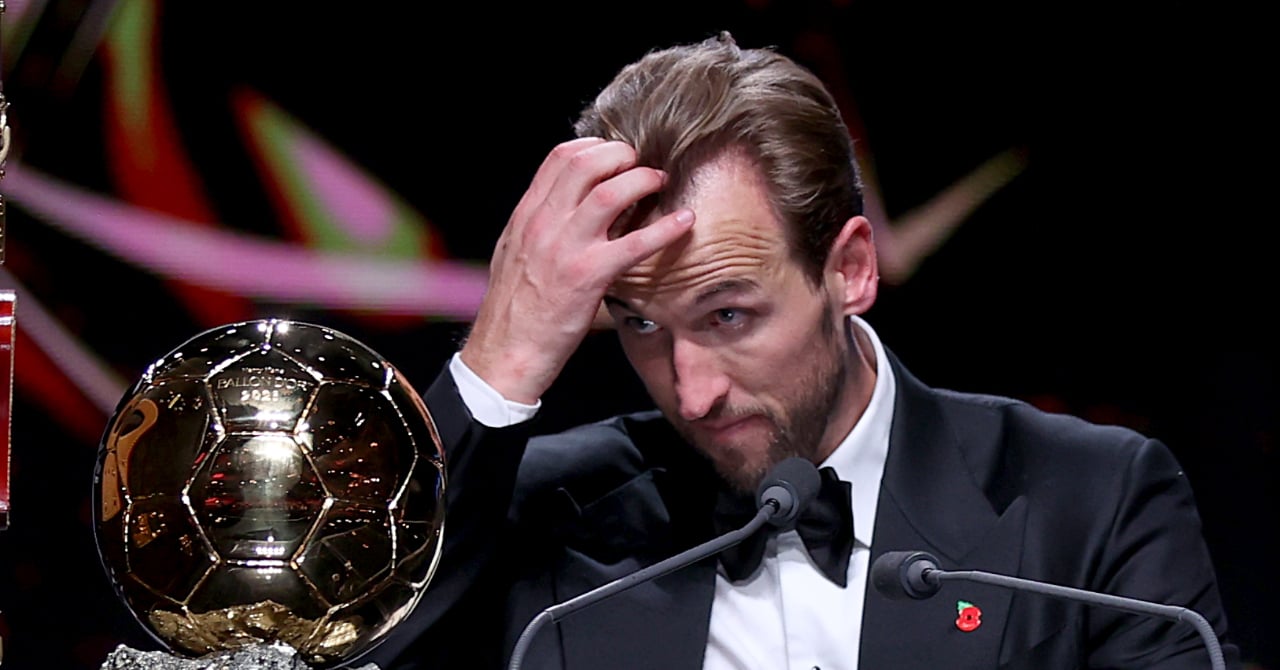
Harry Kane was crowned 2026 Ballon d’Or winner on Monday in London, becoming the first Englishman to claim the prestigious individual award since Stanley Matthews, the very first recipient seventy years ago. The Bayern Munich striker finished ahead of Kylian Mbappé and Lamine Yamal, who complete the podium.
Kane’s victory quickly sparked reactions in Spain. On the El Chiringuito show, former Real Madrid midfielder Guti pointed to what he considers a suspicious coincidence: the ceremony was held in London and it was a London-based player who won it.
“It just so happens that for the 70th edition of the Ballon d’Or, the ceremony takes place in London and is won by a Londoner. What a coincidence! Incredible, isn’t it?” the former Spanish international said sarcastically. He then went further: “Frankly, everything seems directed, completely.”
Guti also recalled that he has always harbored reservations about this distinction, believing that its award could follow logics other than performance on the pitch alone.
His statements nonetheless remain in the realm of suspicion: no concrete evidence presented during his intervention allows one to establish that the result was rigged. Kane, Bundesliga’s top scorer this season, stands as the most legitimate winner in the eyes of many observers, even if the choice of ceremony venue fuels speculation.
Read also
-
 Football ·
Arteta confirms Calafiori, Madueke and Rice doubts for Arsenal's trip to Anfield
-
 Football ·
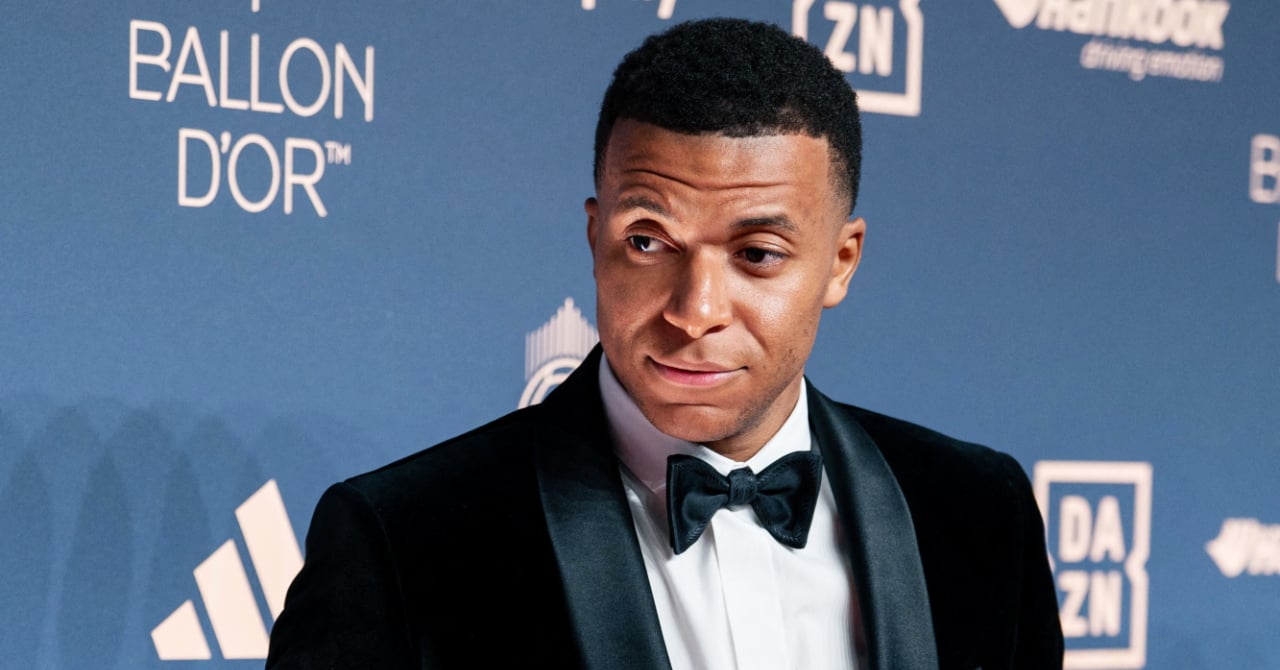
Mbappé led Ballon d'Or race before Kane overtook him due to media overexposure
-
 Football ·
Favard launches scathing attack on Riou: « Hated everywhere he goes »
-
 Football ·
Ballon d'Or 2018: Senegalese Juror Lynched for Not Ranking Mané First
-
 Football ·
Luis Enrique equals Blanc with 126 wins at PSG, record within reach on Friday
-
 Football ·
Stuck 40 minutes in Soho, Dembélé leaves 2026 Ballon d'Or ceremony frustrated