Aston Martin confirms torque delivery fault caused Stroll's Monaco crash, not track surface
Aston Martin and Honda have confirmed a technical torque delivery issue caused Lance Stroll's lap-57 crash at Anthony Noghes during the Monaco Grand Prix, contradicting suggestions that the deteriorating track surface was to blame.
2 min read
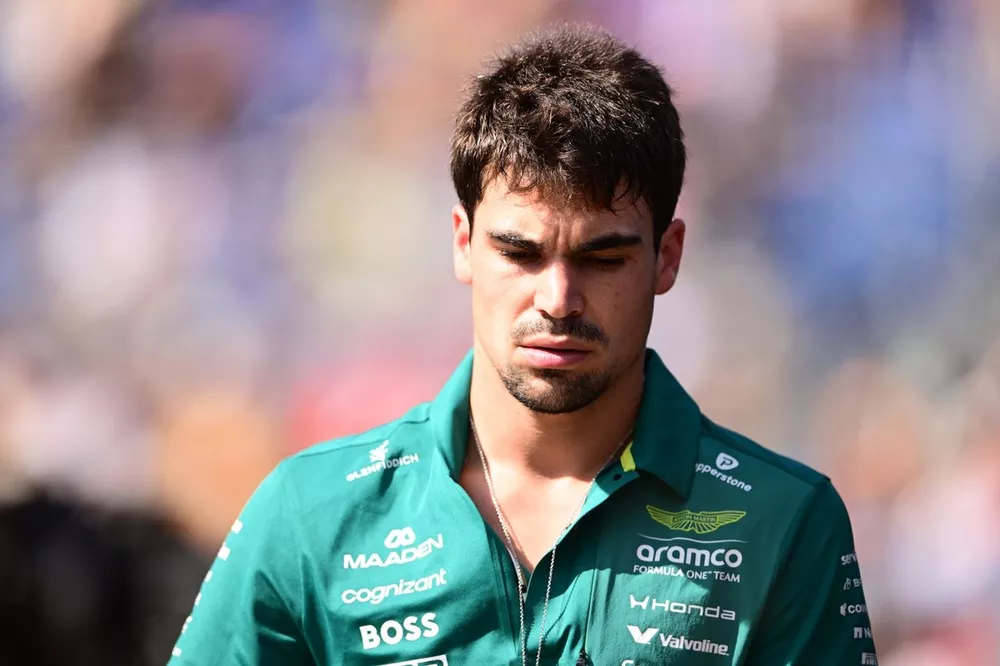
A torque delivery fault in Aston Martin’s Honda power unit caused Lance Stroll to crash into the barrier at Anthony Noghes on lap 57 of the Monaco Grand Prix, the team and engine partner Honda have confirmed — ending weeks of ambiguity over whether the crumbling track surface was responsible.
Stroll was running 16th when his AMR25 drove straight into the outside wall at the final corner, triggering a safety car period. Charles Leclerc then crashed his Ferrari at the same spot at the safety car restart, ultimately forcing a red flag.
The track had deteriorated at a section already patched after the previous month’s Historic Grand Prix, giving rise to competing explanations for the incident. Stroll himself was adamant the fault lay with his car, telling reporters: “All season we’ve been having engine braking issues, some corners it’s pushing, some corners it’s pulling, and it’s doing different things all the time. On that particular corner and lap it just pushed me into the wall, like the throttle pedal was 50% open.”
His radio message in the moment was equally direct. “It was like the throttle was just stuck wide open,” Stroll reported. Race engineer Gary Gannon confirmed the team could see the anomaly in the data.
Honda chief engineer Shintaro Orihara acknowledged the ongoing challenge ahead of the Barcelona Grand Prix, explaining that torque delivery is a product of the interaction between MGU-K output and combustion engine torque — a combination that has proved difficult to stabilise at low revs. “We improved the engine combustion stability, but also we found another challenging point in Monaco to improve,” Orihara said.
The underlying problem, according to Orihara, is that drivers had been resisting pitwall instructions to use lower gears because doing so worsened the torque kick feeling. When Stroll complied with the request at Anthony Noghes, the resulting surge pushed him into the barrier.
Driveability has been a persistent grievance for both Stroll and team-mate Fernando Alonso throughout the 2025 season. Fluctuating torque at low revs, combined with inconsistent gearbox synchronisation, makes braking for slow corners unpredictable — the engine continuing to push when it should be contributing to deceleration.
Alonso had flagged the danger explicitly before Monaco. “Monaco is not the place to have a random downshift, to have rear locking or pushing or something like that, because then you will crash into the wall, and the driver will look stupid,” he said.
Honda says improvements have been made in combustion stability but concedes further work is needed on the torque delivery side before the issue is resolved.
Read also
-
 Formula 1 ·
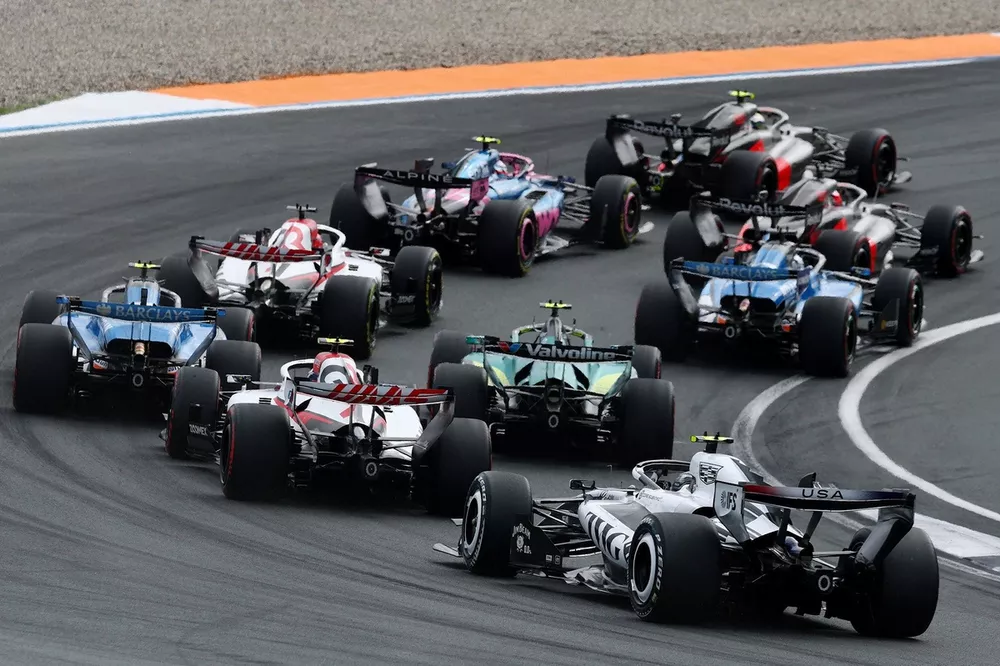
Formula 1 brings full 2026 grid to Hot Wheels Infinite Rush in first-ever F1 gaming crossover
-
Formula 1 ·
F1 Commission cuts 2027 race distances by 15km to manage new power unit fuel demands
-
 Formula 1 ·
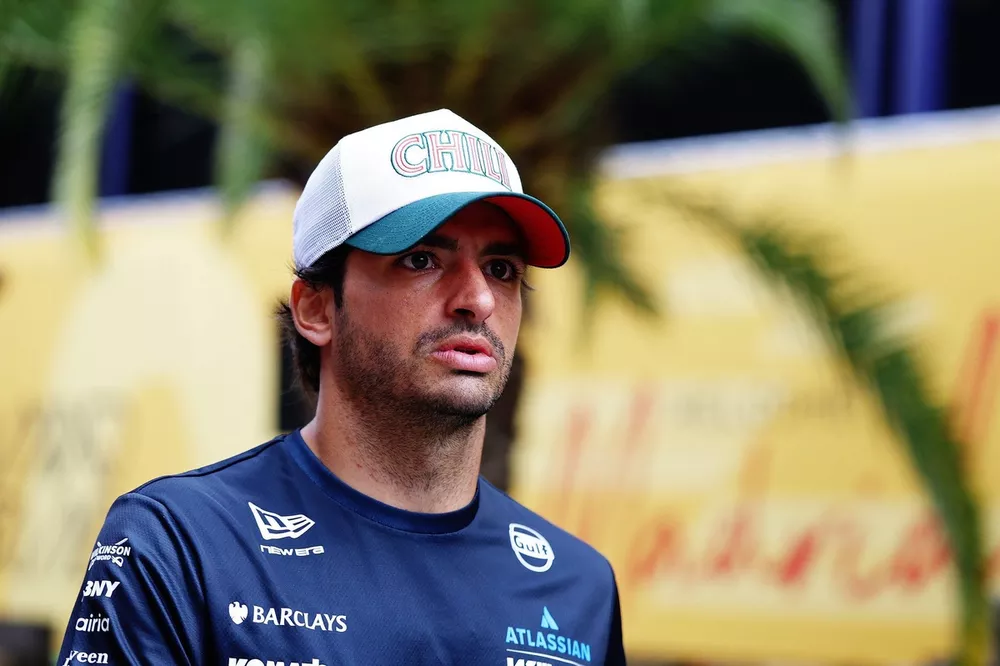
Sainz urges Williams karting prodigy Will Green to embrace risk in single-seater step
-
 Formula 1 ·
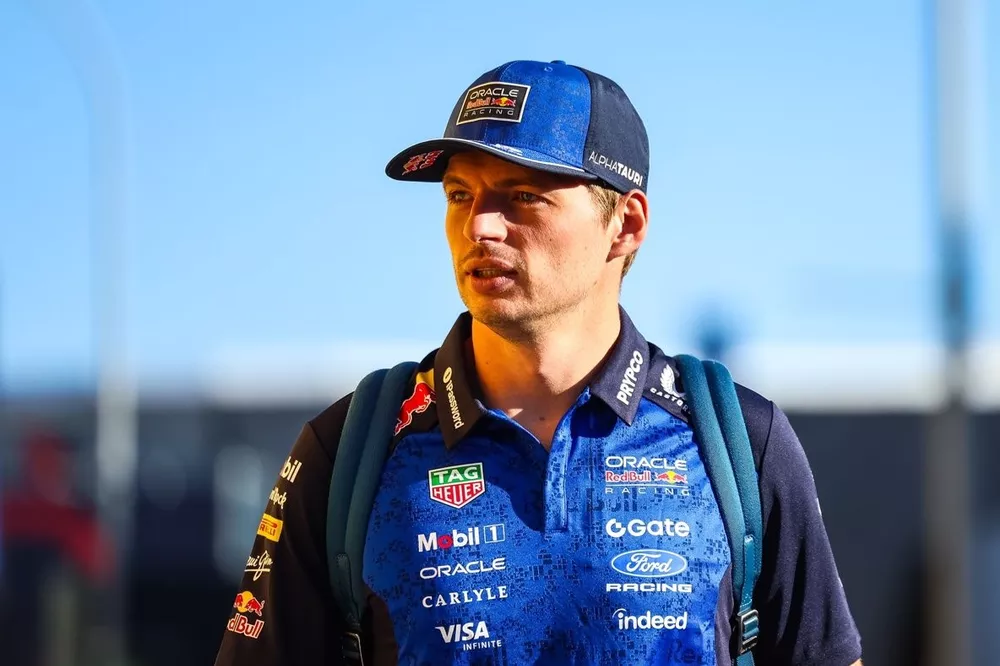
Steiner predicts Verstappen will go winless in 2026 as Red Bull struggles persist
-
 Formula 1 ·
F1 Academy champion Doriane Pin targets Mercedes race seat within five years
-
 Formula 1 ·
Bortoleto reveals Alonso is just as sarcastic and straightforward off camera as on it