Aston Martin admits driveability crisis after Alonso's Monaco FP1 wall strike
Fernando Alonso clipped the barrier during Monaco Grand Prix practice after suffering a severe rear-locking episode, an incident Aston Martin ambassador Pedro de la Rosa linked to the team's ongoing gearbox and driveability problems with the AMR26.
2 min read
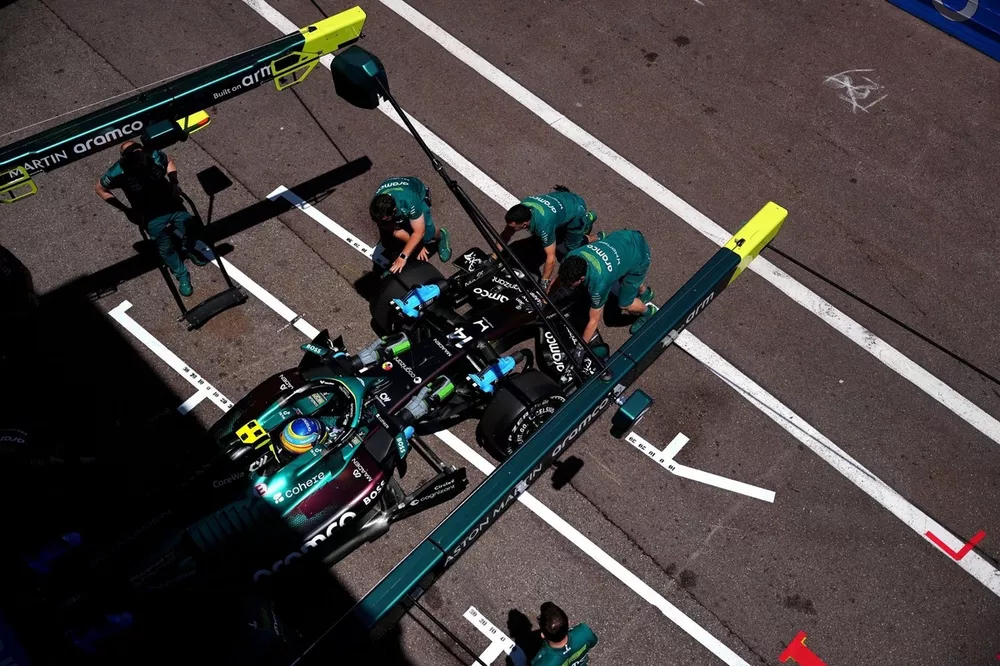
Fernando Alonso struck the barrier at the Monaco chicane during Friday practice for the Monaco Grand Prix, a moment Aston Martin ambassador Pedro de la Rosa connected to the team’s persistent driveability issues with the AMR26 — specifically the “random downshifts” the two-time world champion had flagged just 24 hours earlier.
Alonso had warned in his Thursday media session that unpredictable downshifts were causing rear locking, and that the consequences at Monaco — with its narrow track and unforgiving walls — could be severe. When the incident materialised in FP1, de la Rosa was already seated in the FIA press conference room and was immediately asked whether the crash stemmed from that technical fault.
“I don’t really know exactly what happened, in the sense that it is rear locking, but I don’t really know — because I haven’t been able to look at the data — if it was related to the downshift or not,” de la Rosa said. “But obviously, it was a massive rear locking issue. He let go of the brakes at one point just to recover, otherwise it would have been a full spin, so he did very well to come out of that with just a little broken front wing endplate.”
Rather than treating the Monaco moment as an isolated incident, de la Rosa framed it as a symptom of a deeper, structural problem with the car’s behaviour under braking and downshifting. The issue sits at the intersection of gearbox and power unit performance — a particularly sensitive area for Aston Martin, which switched from Mercedes customer engines to Honda works powertrains this season and simultaneously began manufacturing its own gearboxes.
“I guess it’s all part of the same problem — the driveability, predictability of the car when you brake; the downshift, which affects the brake balance, and then you move it rearwards in a way that it affects the downshift even further,” de la Rosa explained. “It is definitely not an easy car to drive.”
He also pointed to a broader challenge facing teams under F1’s new powertrain regulations, noting that delivering consistent torque during downshifts remains difficult across the grid. Drivers attempting to use short gears at apexes to recharge the battery more aggressively are compounding the problem when the downshift process itself is not smooth.
De la Rosa acknowledged that Aston Martin’s struggles are systemic enough that the specific cause of Alonso’s Monaco incident is almost secondary. The team is working on driveability and predictability as a whole, with no quick fix in sight at one of the calendar’s most punishing venues.
Read also
-
 Formula 1 ·
F1 Academy champion Doriane Pin urges young girls to 'dare to believe' in motorsport dreams
-
 Formula 1 ·
Formula 1 brings full 2026 grid to Hot Wheels Infinite Rush in first-ever F1 gaming crossover
-
Formula 1 ·
F1 Commission cuts 2027 race distances by 15km to manage new power unit fuel demands
-
 Formula 1 ·
Sainz urges Williams karting prodigy Will Green to embrace risk in single-seater step
-
 Formula 1 ·
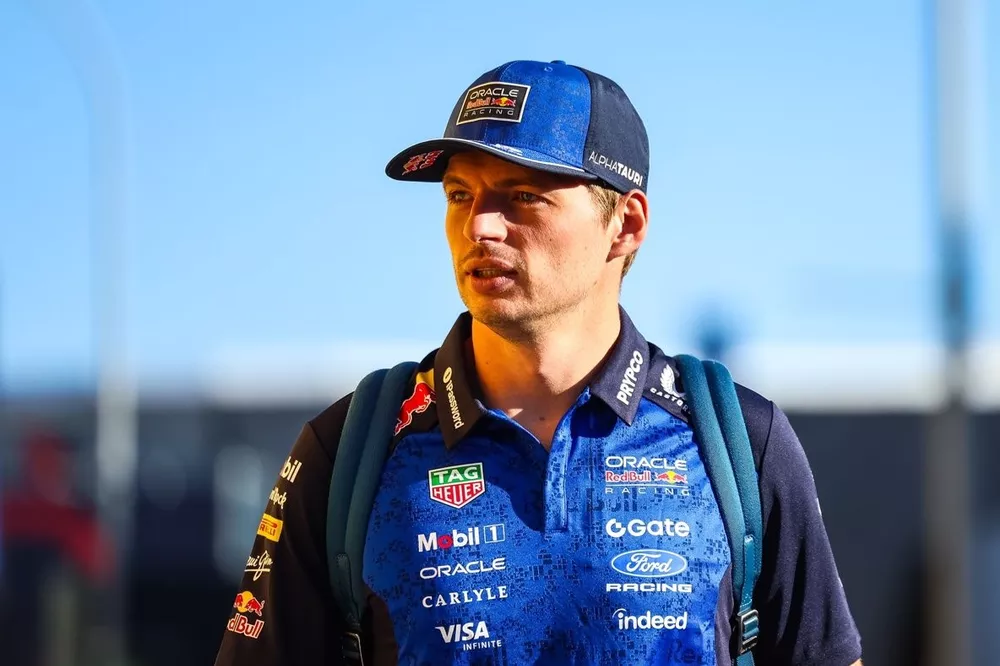
Steiner predicts Verstappen will go winless in 2026 as Red Bull struggles persist
-
 Formula 1 ·
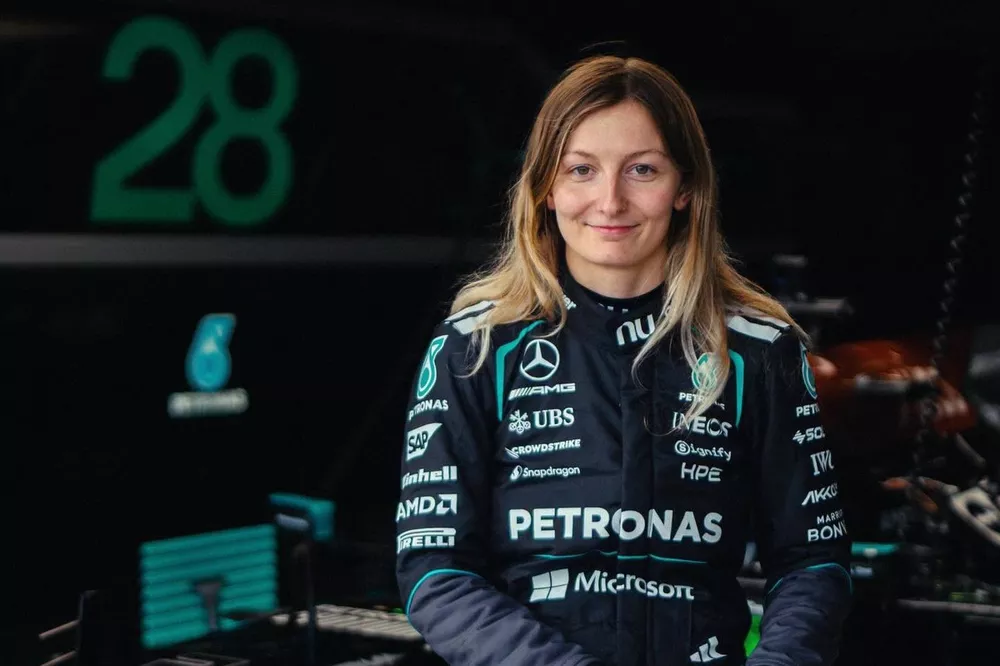
F1 Academy champion Doriane Pin targets Mercedes race seat within five years