Antonelli reveals Barcelona failure cause as Mercedes brings power unit fixes to Austria
Kimi Antonelli has explained that a sudden temperature spike caused his Barcelona retirement three laps from the finish, and confirmed Mercedes will introduce a new power unit and updated battery pack at the Austrian Grand Prix to address its recent reliability problems.
2 min read
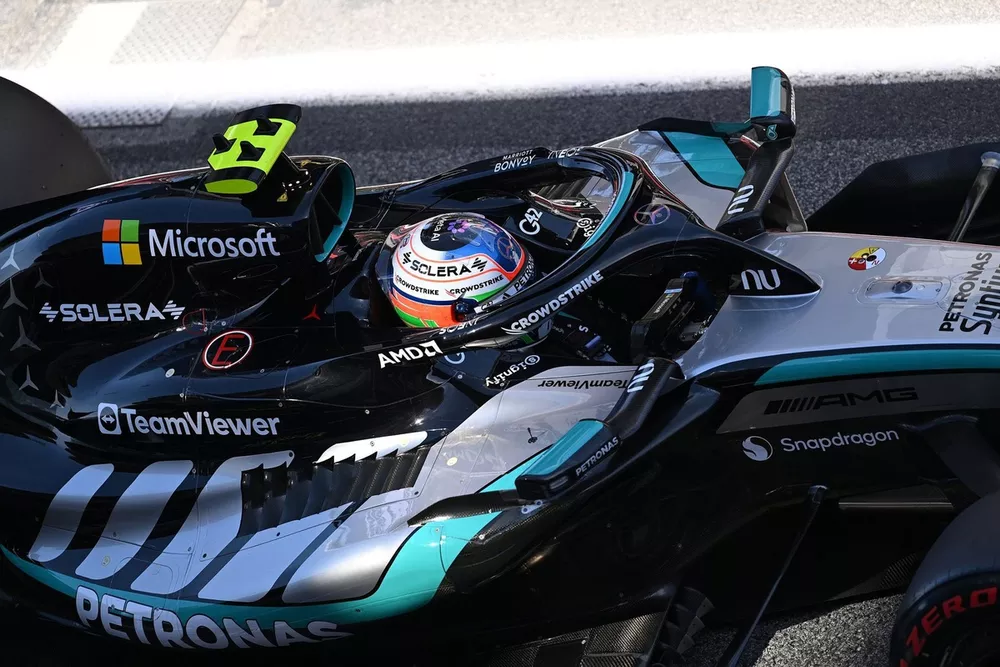
Kimi Antonelli has shed light on the power unit failure that ended his Spanish Grand Prix three laps from the finish, confirming that Mercedes will deploy corrective hardware and software changes at the Austrian Grand Prix in a bid to arrest a run of costly breakdowns.
Speaking to Italian media at the Red Bull Ring, the rookie Mercedes driver said the Barcelona retirement stemmed from a sudden temperature spike in a component that caused the battery to glitch — a problem he stressed was distinct from the cooler-weather failure that retired teammate George Russell in Canada. “It’s true that a component suddenly experienced a sharp temperature spike, which caused the battery to glitch,” Antonelli said. “But in Canada the conditions were completely different, much cooler.”
Antonelli revealed the reliability issues first emerged as far back as the Miami weekend. “I already had some trouble in FP1 in Miami, and then came George’s retirement in Montreal. We’ve left quite a few points on the table,” he said. In Austria he will run a new power unit paired with an updated battery pack incorporating several corrective measures, though he was clear these are routine reliability fixes unrelated to the ADUO.
Team principal Toto Wolff has previously stated that resolving the power unit fragility is a prerequisite for Mercedes to mount a genuine world championship challenge, making the Austrian round a significant test of whether the fixes hold under race conditions.
Strategy also came under scrutiny during Mercedes’ post-Barcelona debrief. Ferrari winner Lewis Hamilton took a three-stop approach, and some in the paddock questioned whether Mercedes erred by staying on two stops. Antonelli defended the call, explaining that simulations still favoured the two-stop route but acknowledged the gap between modelling and reality. “These calculations assume we’re always running in clean air. In the race itself, there are far more variables to take into account,” he said.
Wolff also addressed the wheel-to-wheel battle between Antonelli and Russell in Barcelona, which the team principal felt cost the outfit valuable time. Antonelli confirmed a clear directive has now been issued: if the two Mercedes cars are under pressure from a rival, team orders will apply — with priority given to whichever driver is showing stronger pace. If no external threat exists, the drivers will be free to race one another, as they were in Montreal.
The Austrian Grand Prix at the Red Bull Ring provides an early opportunity to gauge whether Mercedes’ reliability fixes are sufficient, with four races scheduled across five weeks placing additional strain on every component on the grid.
Read also
-
 Formula 1 ·
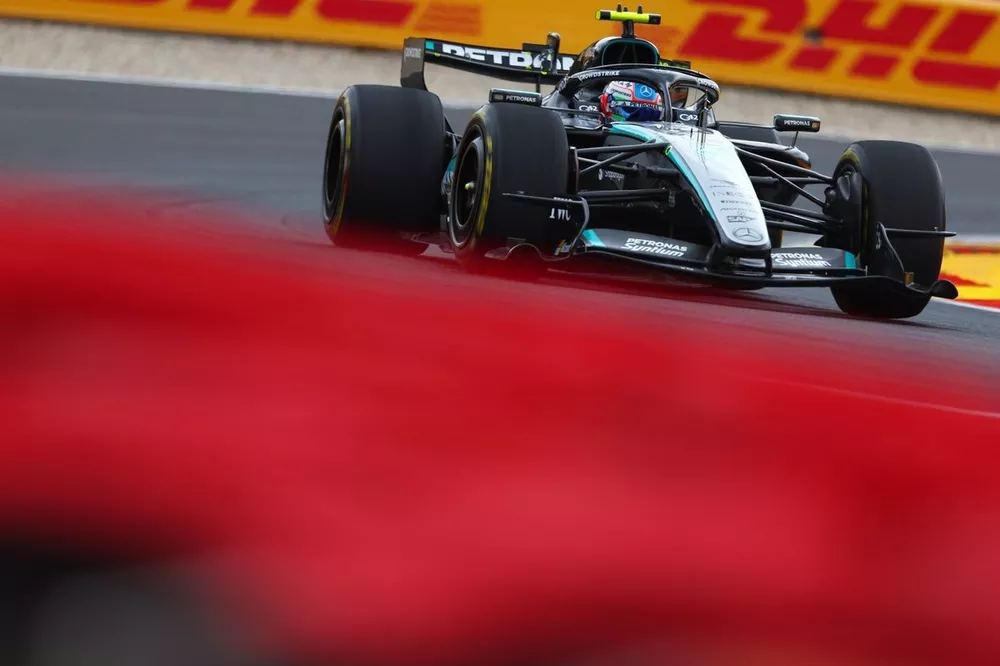
Antonelli leads Norris by two tenths in red-flag-hit Belgian GP practice
-
 Formula 1 ·
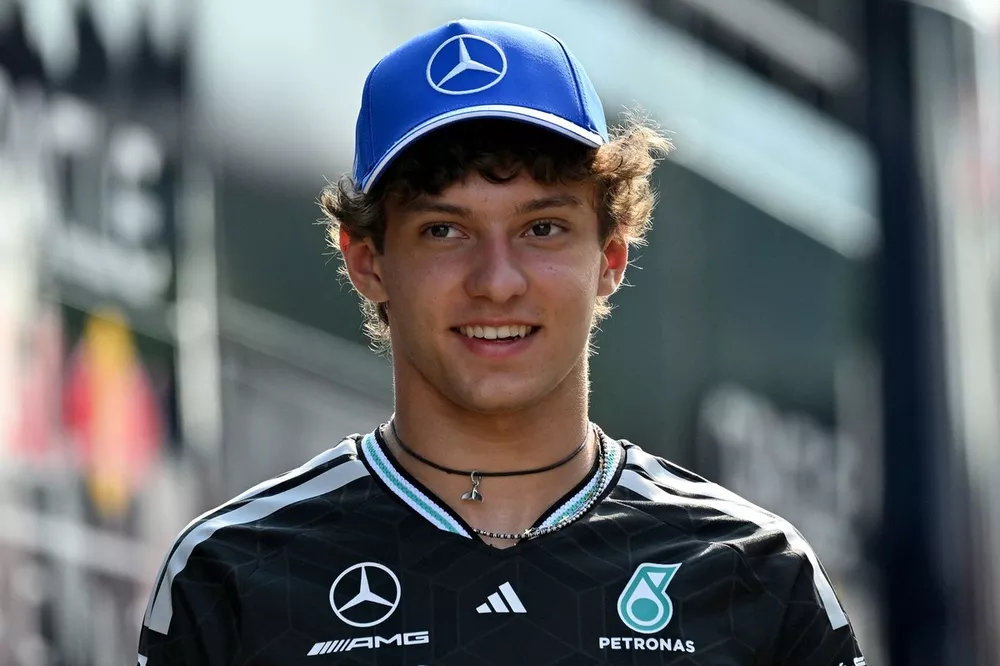
Championship leader Antonelli opens up on fame's pressures ahead of Belgian GP
-
 Formula 1 ·
Ocon reveals Spider-Man helmet to Tom Holland ahead of Belgian and Hungarian GPs
-
 Formula 1 ·
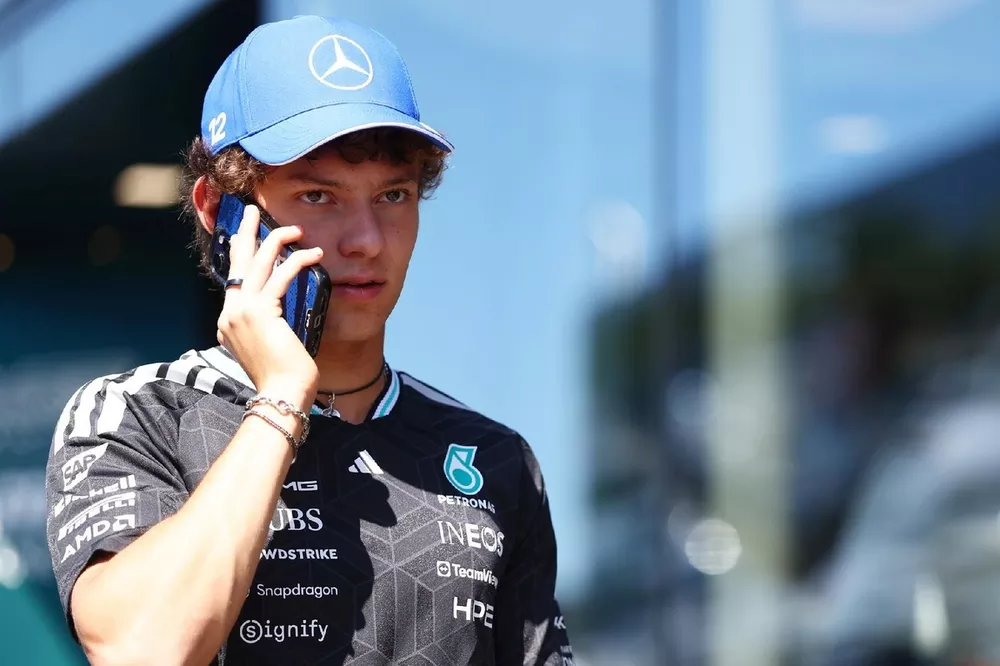
Montoya warns Antonelli that a shrinking points lead is a mental trap
-
 Formula 1 ·
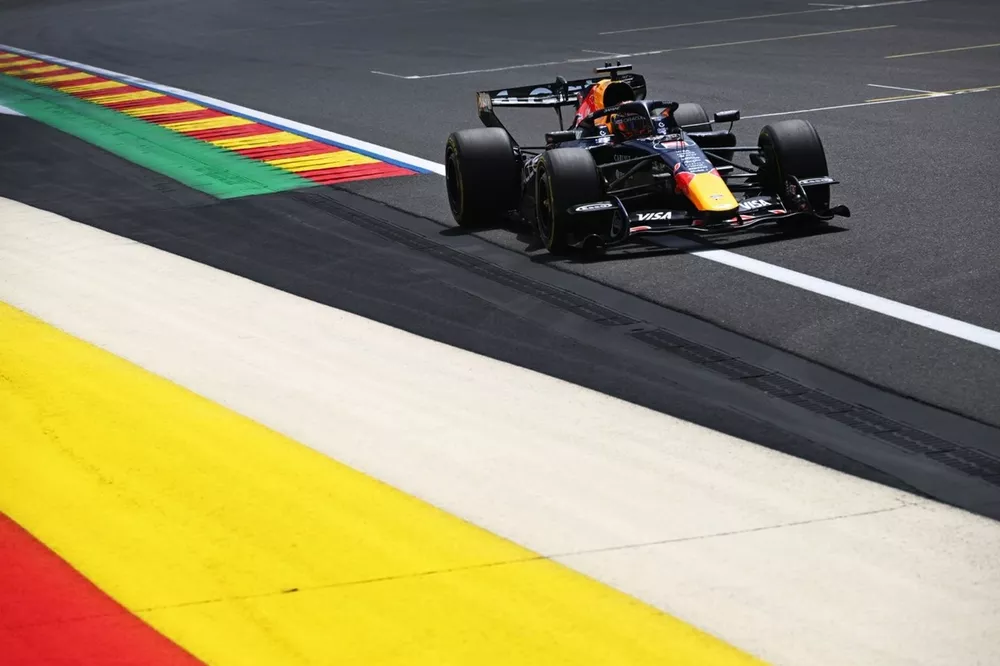
Verstappen edges Hamilton by a tenth to lead Ferrari-Red Bull battle in Belgian GP practice
-
 Formula 1 ·
Championship leader Antonelli reveals Federer's pressure advice ahead of Belgian Grand Prix