Alonso optimistic Aston Martin has resolved cockpit pain issue ahead of Monaco GP
Fernando Alonso retired from the Canadian Grand Prix after just 23 laps due to back pain caused by an extreme seating position in his AMR26. The two-time world champion says Aston Martin has since made significant changes and he expects to race comfortably in Monaco.
2 min read
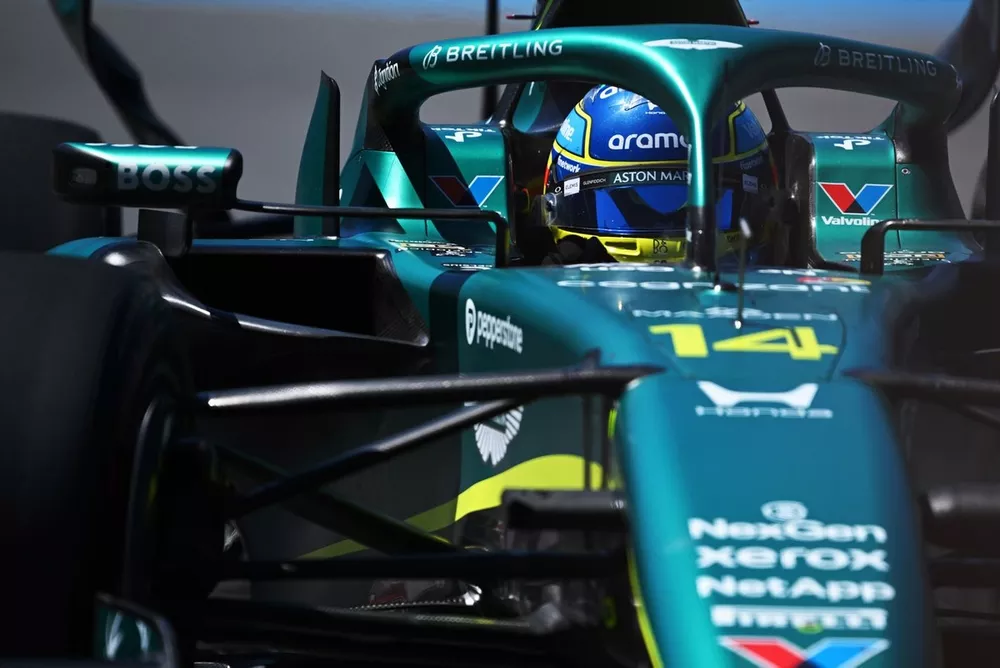
Fernando Alonso says he is confident Aston Martin has fixed the cockpit problem that forced him to retire from the Canadian Grand Prix in Montreal after 23 laps, with the Spaniard speaking to media on Thursday ahead of this weekend’s Monaco Grand Prix.
Alonso’s withdrawal in Canada was an unusual entry in Formula 1’s retirement records — the 43-year-old was forced to park his AMR26 due to back pain brought on by an extreme seating position inside the car. The team attempted to modify the seat during the Montreal weekend but was unable to provide sufficient relief.
“We worked a little bit last week — online meetings, trying to get a different position in the car,” Alonso said. “And then on Tuesday, I live here, so it was very easy for me to pass by the garage and work a little bit in the afternoon. And, yeah, we have like four different positions. We changed a lot since Canada. So I think I’m very relaxed, optimistic, that the problem of Canada — where I was very uncomfortable with pain — it’s not anymore there. We went back nearly to the 2025 seat position. So basically, we are in a known baseline now. It’s nothing experimental.”
The issue is understood to stem from both the shape and position of the seat within the AMR26 chassis. Managing technical partner Adrian Newey is reported to have pushed for a significantly more reclined seating position compared to previous Aston Martin designs — a measure intended to lower the car’s centre of gravity and reduce the aerodynamic disruption caused by the driver’s helmet around the airbox.
Reclining the driver is a long-established principle in grand prix car design, dating back to the early 1960s when constructors adapted to a reduction in engine displacement to 1.5 litres and began transitioning from spaceframe to monocoque construction. Newey himself advanced the concept further with his Williams FW17 in 1995, raising the driver’s legs above hip level to allow the nose cone to be elevated and improve underfloor airflow — a solution that brought aerodynamic gains but introduced new pressure points around the hips.
For Alonso, the AMR26’s interpretation of that philosophy proved too aggressive. F1 seats are custom-moulded to each driver using a polyurethane foam casting process, which then forms the basis of a carbon composite shell — meaning any meaningful adjustment requires significant work between race weekends.
With Monaco’s tight street circuit placing unique physical demands on drivers, Alonso will be hoping the revised setup holds. Aston Martin will be equally keen to see their driver complete a full race distance after a damaging retirement in Canada.
Read also
-
 Formula 1 ·
F1 Academy champion Doriane Pin urges young girls to 'dare to believe' in motorsport dreams
-
 Formula 1 ·
Formula 1 brings full 2026 grid to Hot Wheels Infinite Rush in first-ever F1 gaming crossover
-
Formula 1 ·
F1 Commission cuts 2027 race distances by 15km to manage new power unit fuel demands
-
 Formula 1 ·
Sainz urges Williams karting prodigy Will Green to embrace risk in single-seater step
-
 Formula 1 ·
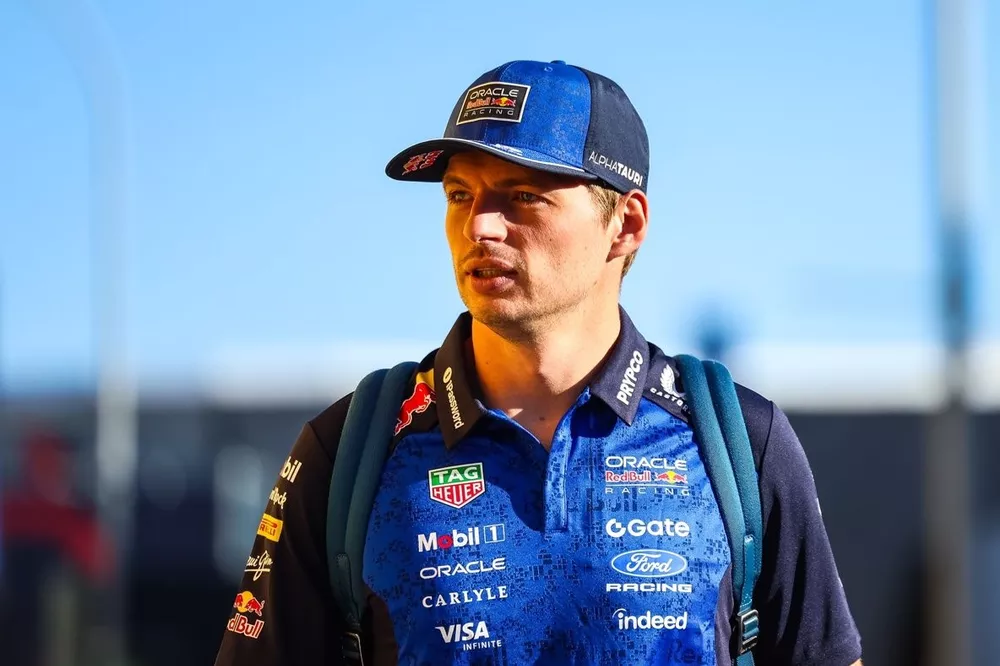
Steiner predicts Verstappen will go winless in 2026 as Red Bull struggles persist
-
 Formula 1 ·
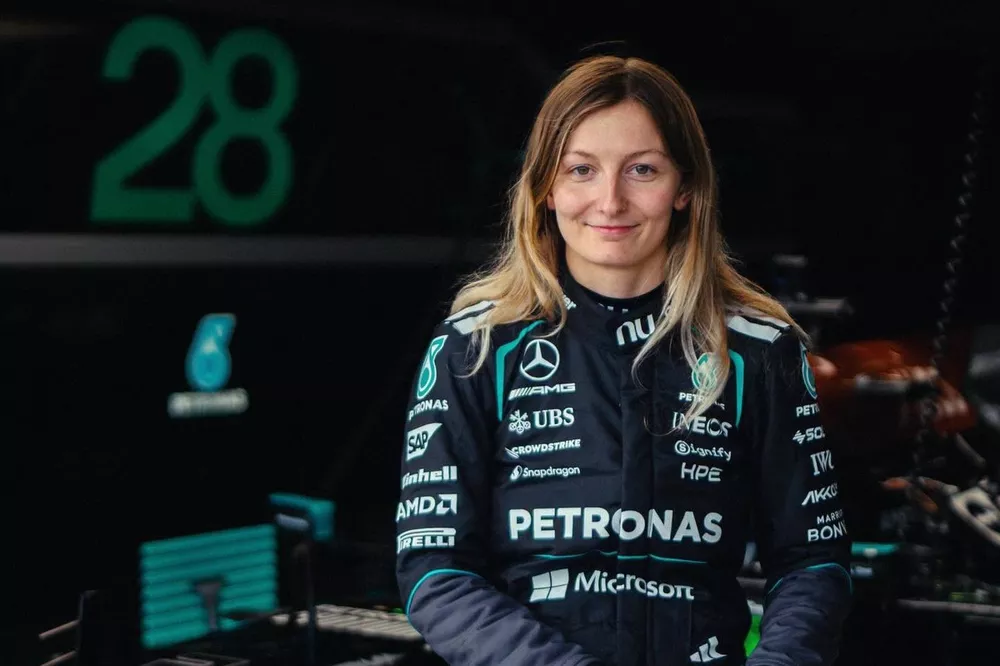
F1 Academy champion Doriane Pin targets Mercedes race seat within five years