2026 World Cup: Only 65% of penalties converted, worst record since 1966
With 39 penalties scored out of 60 attempted — including shootout kicks — the 2026 World Cup shows the lowest conversion rate since the 1966 edition. Kylian Mbappé, Lionel Messi and several other stars missed their attempts.
1 min read
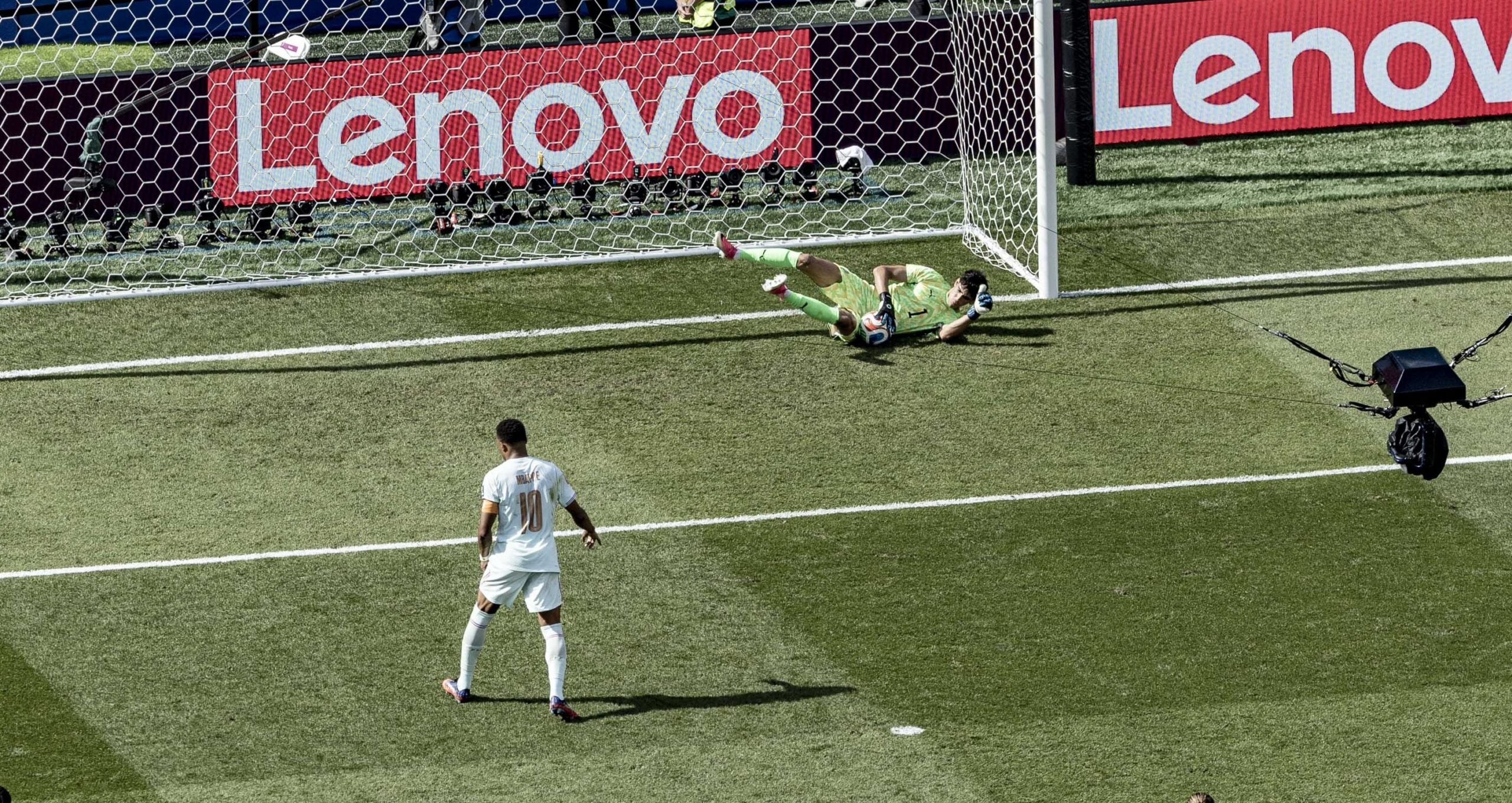
The 2026 World Cup has become the edition of missed penalties: 39 of 60 attempts — including shootout kicks — were converted, a rate of 65%, the lowest recorded at a World Cup since 1966, according to Opta data.
Kylian Mbappé’s miss against Morocco perfectly illustrates this trend. After three long minutes of waiting before stepping up, the French number 10 was denied by Yassine Bounou, who saved the ball with ease. The save was not enough for the Lions of the Atlas to compete with the Blues, who eventually opened the scoring in the second half through Mbappé, then secured their victory through Ousmane Dembélé.
The Mbappé case is far from isolated. Lionel Messi also missed both his attempts during this tournament, against Austria and then against Egypt. Germany, for its part, experienced a catastrophic penalty shootout against Paraguay in the round of 16, contributing to this collective poor record.
This 65% rate represents a notable decline compared to recent editions, where shooters had generally maintained their efficiency against goalkeepers. The last time a World Cup had recorded such a low level was in England, sixty years ago.
For the French team, this statistical context is not without recalling painful memories: the Blues were eliminated on penalties in the final in 2006 against Italy, then in 2022 against Argentina. As the semi-finals and a possible final approach, mastery of this exercise could prove decisive.
Read also
-
 Football ·
Bellamy backs Haaland to ignore Man City scandal ahead of Wales vs Norway
-
 Football ·
Ekitike begins light jogging and targets competitive return in December
-
 Football ·
Burnham 'really concerned' over losing Man City owners after 114-charge guilty verdict
-
 Football ·
Gilmour reveals McTominay's confidence has 'grown massively' since leaving Manchester United for Napoli
-
 Football ·
Jean-Marc Furlan Suffering from Neurodegenerative Disease, Wife Breaks Silence
-
 Football ·
Man City found guilty of hiding £900m but key evidence still withheld from public

 Argentina