Yoro's VAR-overturned red card deepens Manchester United's misery at Atletico Madrid
Leny Yoro was shown a second-half red card after VAR overturned referee Glenn Nyberg's original decision, with Atletico Madrid doubling their lead to 2-0 within minutes of the 20-year-old's dismissal.
1 min read
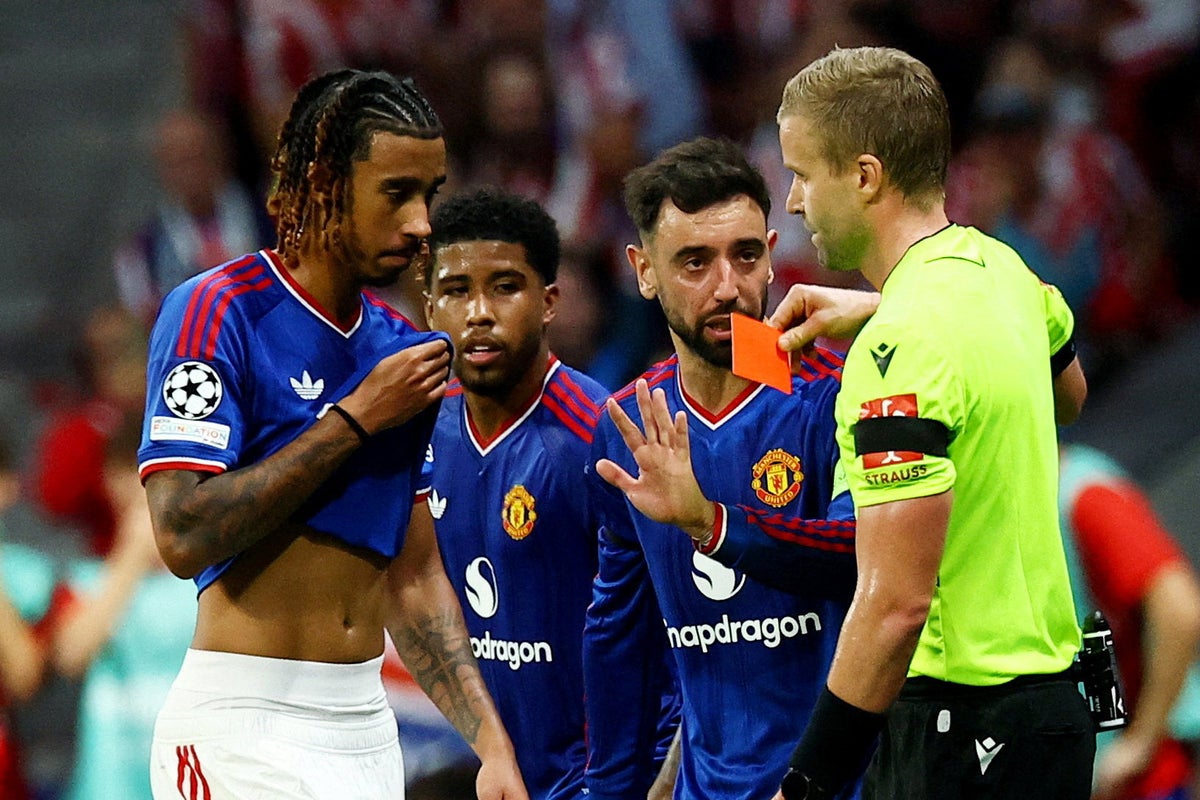
Leny Yoro was sent off for denying a goalscoring opportunity as Manchester United fell to a 2-0 defeat against Atletico Madrid in the Champions League, with the dismissal coming only after VAR intervened to reverse the referee’s initial call.
The 20-year-old centre-back received the first red card of his career after placing his arm across Atletico forward Jonathan David, who had been played through on goal. Referee Glenn Nyberg initially awarded a free-kick against David after the striker fell on top of the ball and controlled it with his hands as he went to ground. The Swedish official was then summoned to the pitchside monitor and reversed his decision, despite the contact from Yoro appearing minimal — a light touch across David’s chest.
United had already fallen behind inside the opening 60 seconds in Madrid, and the numerical disadvantage proved immediately costly. Ademola Lookman turned home the rebound after David drove into the box and saw his shot saved by United goalkeeper Senne Lammens, putting Atletico 2-0 up within minutes of the red card.
Michael Carrick’s side had spurned several clear chances before the dismissal changed the game’s complexion. Bryan Mbeumo missed two opportunities, and Bruno Fernandes struck the top of the crossbar as United struggled to convert their moments of promise.
The result extends United’s winless run to a fifth consecutive game, with a Premier League trip to rivals Leeds United to follow on Sunday.
Read also
-
 Football ·
Rooney accuses Martinez of 'agenda' after Man Utd star slams board following Atletico defeat
-
Football ·
Rooney accuses Martinez of running a 'premeditated agenda' after Man United bombshell interview
-
 Football ·
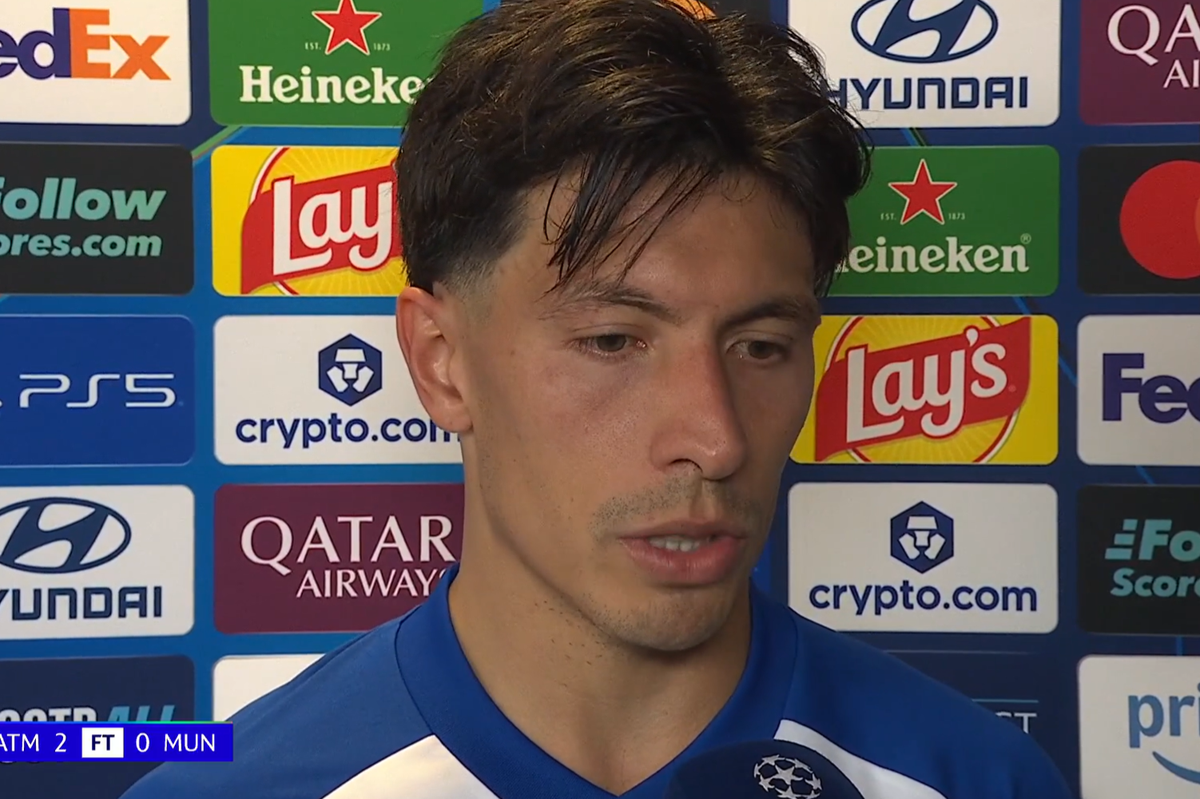
Martinez blasts United's technical director after Champions League defeat to Atletico
-
 Football ·
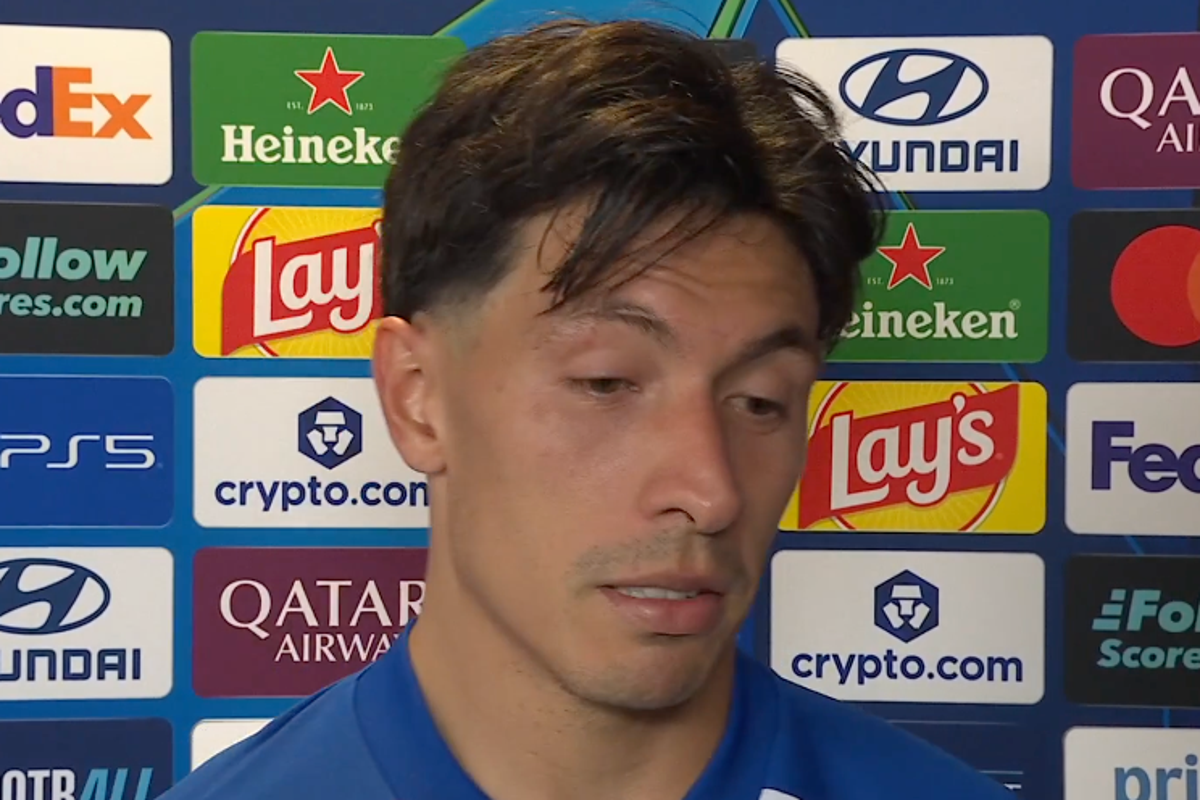
Martinez publicly blames United technical director Wilcox after Champions League humiliation in Madrid
-
 Football ·
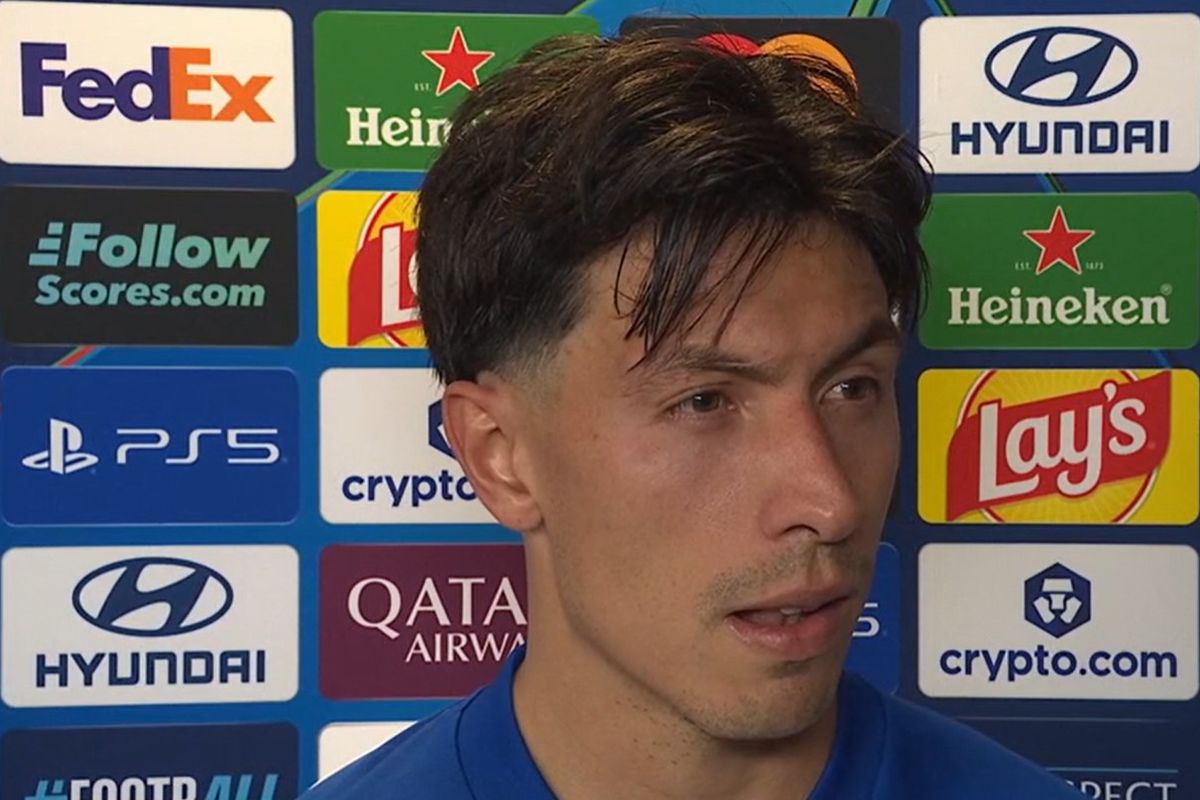
Martinez blasts Man Utd hierarchy after Atletico defeat: 'I expect more from the top'
-
 Football ·
Shearer and Clattenberg agree Leny Yoro red card was wrong as Man Utd fall to Atletico

 USA W
USA W