World Cup fever grips Mexico's cities, but cartel violence silences celebrations in the countryside
While Mexico City, Guadalajara, and Monterrey have embraced the 2026 World Cup with street parties and fan zones, residents in cartel-controlled regions such as Sinaloa and Michoacán are watching matches indoors, too fearful to celebrate publicly.
2 min read
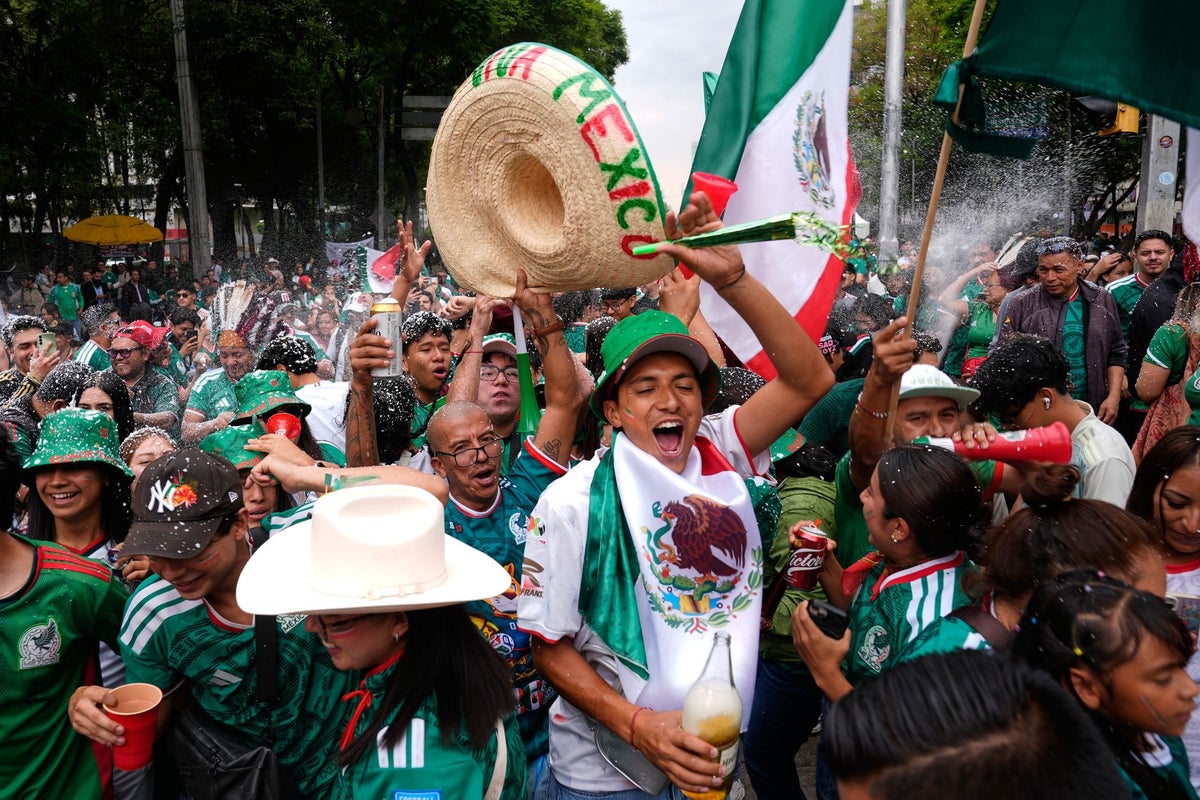
Mexico’s co-hosting of the 2026 World Cup has ignited street celebrations in its three host cities — Mexico City, Guadalajara, and Monterrey — since the tournament began on 11 June. But in swathes of the country where cartel violence is a near-daily reality, the jubilation stops at the front door.
In Michoacán, one of the states with the highest concentration of rival criminal groups, a lime grower told the Associated Press he could not bring himself to celebrate freely. Speaking anonymously for fear of reprisals, he described local cartels launching explosives from drones at a nearby ranch during a recent World Cup match. “I really like football, but … we’re nervous,” he said. “In previous years, people would get together to watch the games and place bets. Not anymore. There’s no party here, there’s only exhaustion.”
Roughly 1,040 kilometres north of Mexico City lies Culiacán, the capital of Sinaloa, where rival factions of the Sinaloa Cartel have sustained nearly two years of bloodshed. Rather than gathering in public, many residents seek out quiet corners, friends’ homes, or the few pubs showing matches — anywhere they can forget, if only for a couple of hours, that their lives are defined by violence.
José Miguel Taniyama, a chef and restaurant owner in the city of one million, had hoped the World Cup would help reverse a two-year economic crisis triggered by the conflict — a crisis that shuttered businesses and cost Sinaloa close to 60,000 jobs, according to official figures. For Mexico’s opening match, a victory over South Africa, only two tables were occupied when kick-off arrived. Numbers improved in subsequent days, but not to the levels Taniyama had anticipated. “Business has been slow,” he said, noting that as soon as each match ends, “people run home” because of the violence.
On the Gulf of Mexico coast, in Poza Rica — an area where cartel activity has recently intensified — the streets were deserted after Mexico’s 18 June fixture against North Korea. “No one went out to celebrate,” said Guillermo Núñez, a 28-year-old local business owner.
The contrast with Mexico’s host cities could hardly be sharper. The country has progressed to the knockout stage, generating genuine national pride, but for millions of Mexicans living under the shadow of organised crime, the world’s biggest football tournament remains something to be experienced quietly, behind closed doors.
Read also
-
 Football ·
Referee Paul Ramdayal dies after collapsing during Feyenoord under-13s match
-
 Football ·
Yamal's sixth-minute golazo stretches Spain's unbeaten run to 41 games
-
 Football ·
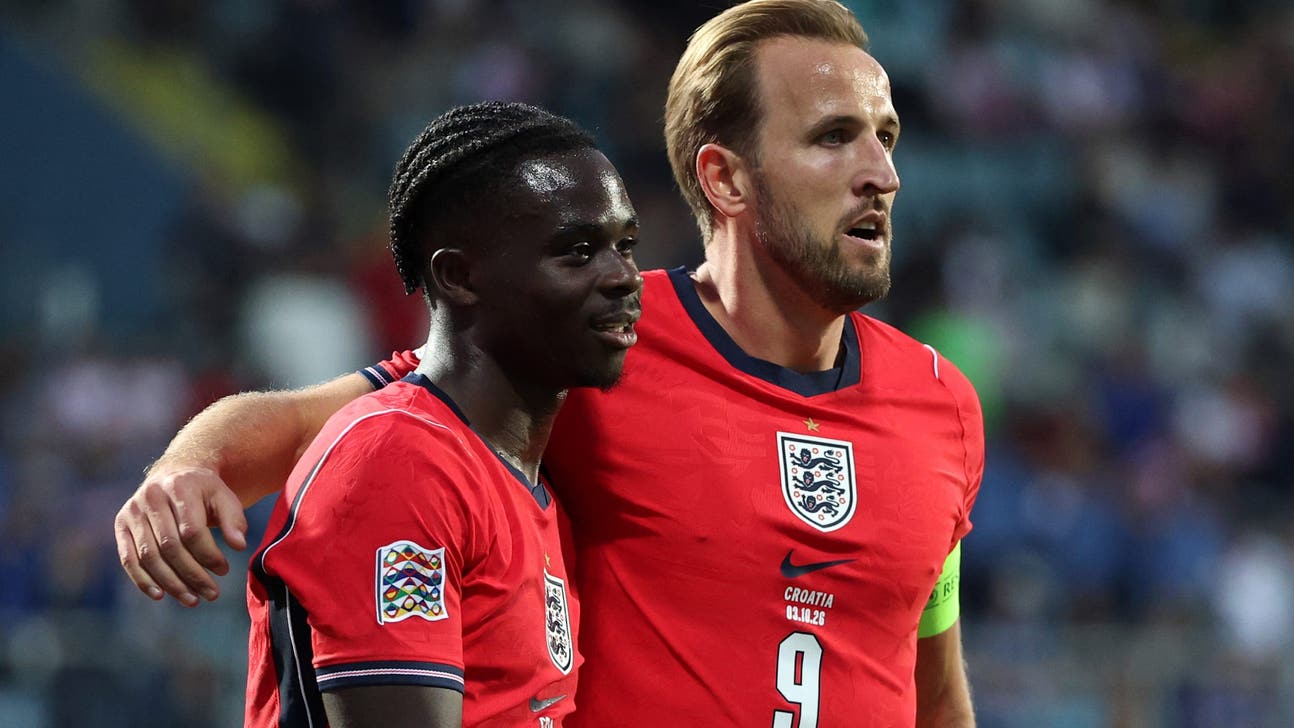
England demolish Croatia 7-0 as Kane, Saka and Bellingham run riot in Rijeka
-
 Football ·
Sheringham backs Isak to beat Haaland to Golden Boot as Liverpool striker hits top form
-
 Football ·
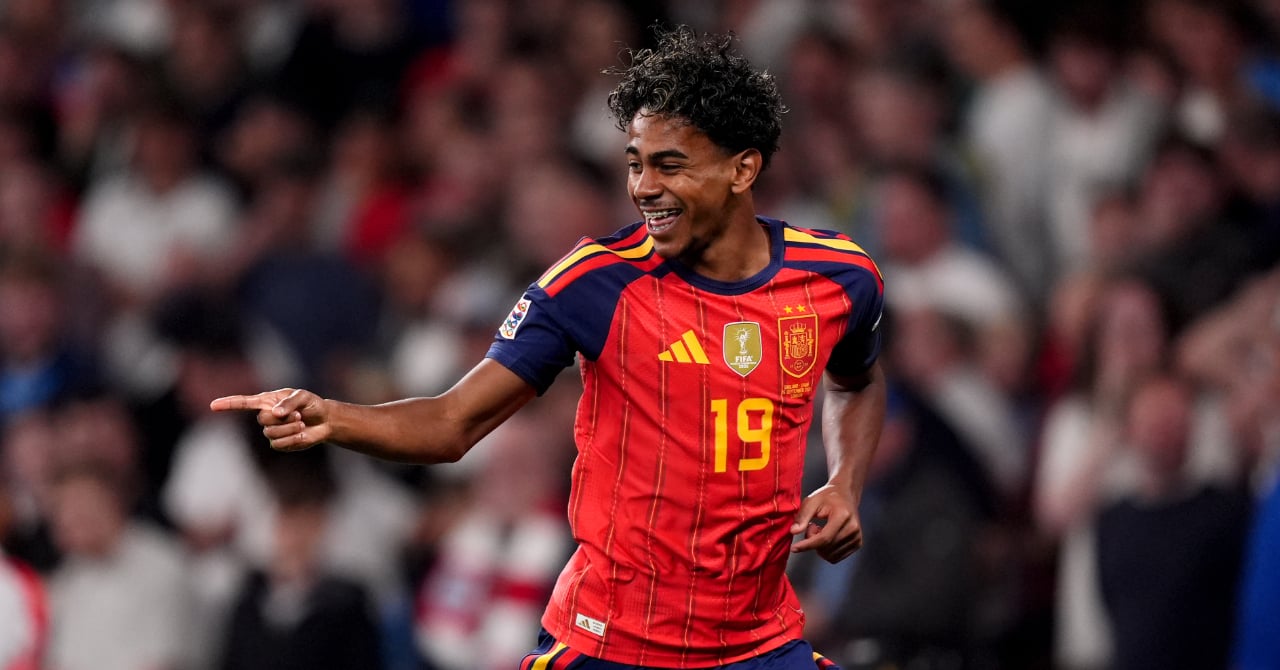
Yamal scores third goal in three matches and powers Spain in Nations League
-
 Football ·
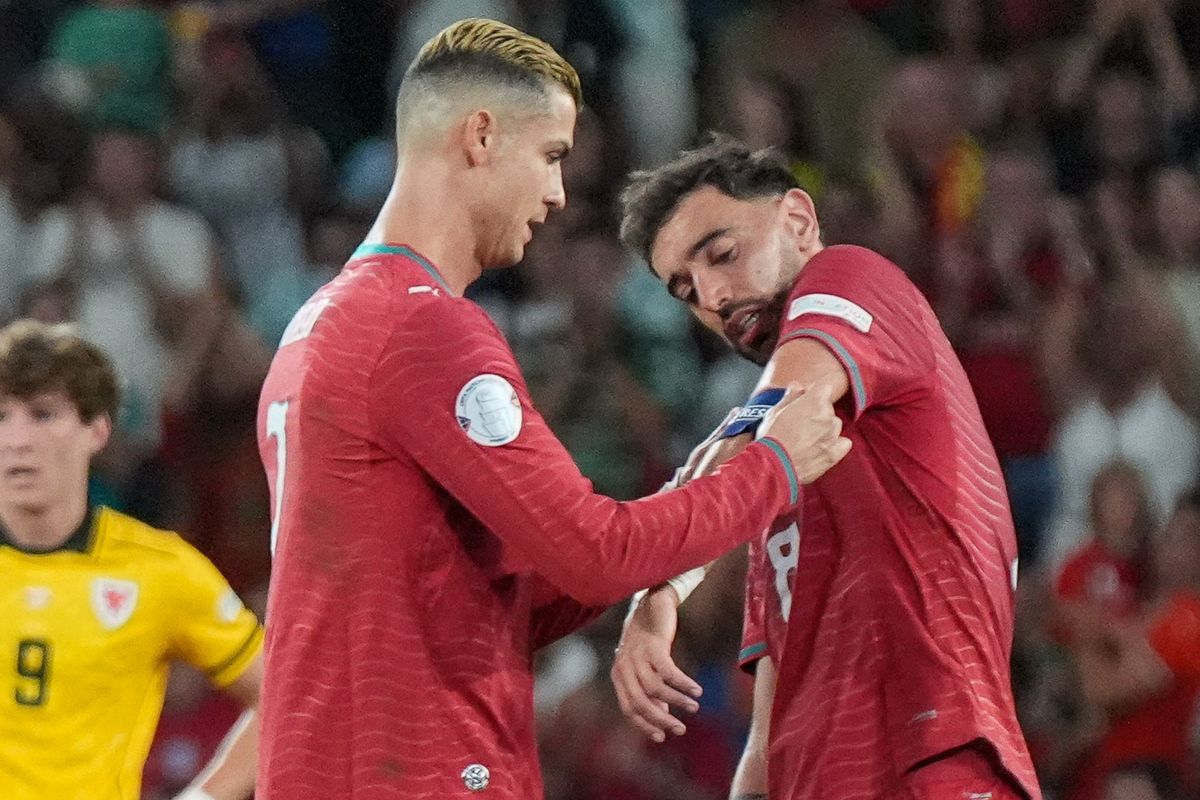
Fernandes urges Portugal unity after Ronaldo's shock international walkout
 Comoros