Webb warns Balogun red card overturn fuels refereeing conspiracy theories
PGMOL chief Howard Webb has criticised FIFA's decision to reverse Folarin Balogun's red card at the 2026 World Cup, warning that external pressure being applied to overturn a referee's call gives credibility to conspiracy theories about the game's integrity.
2 min read
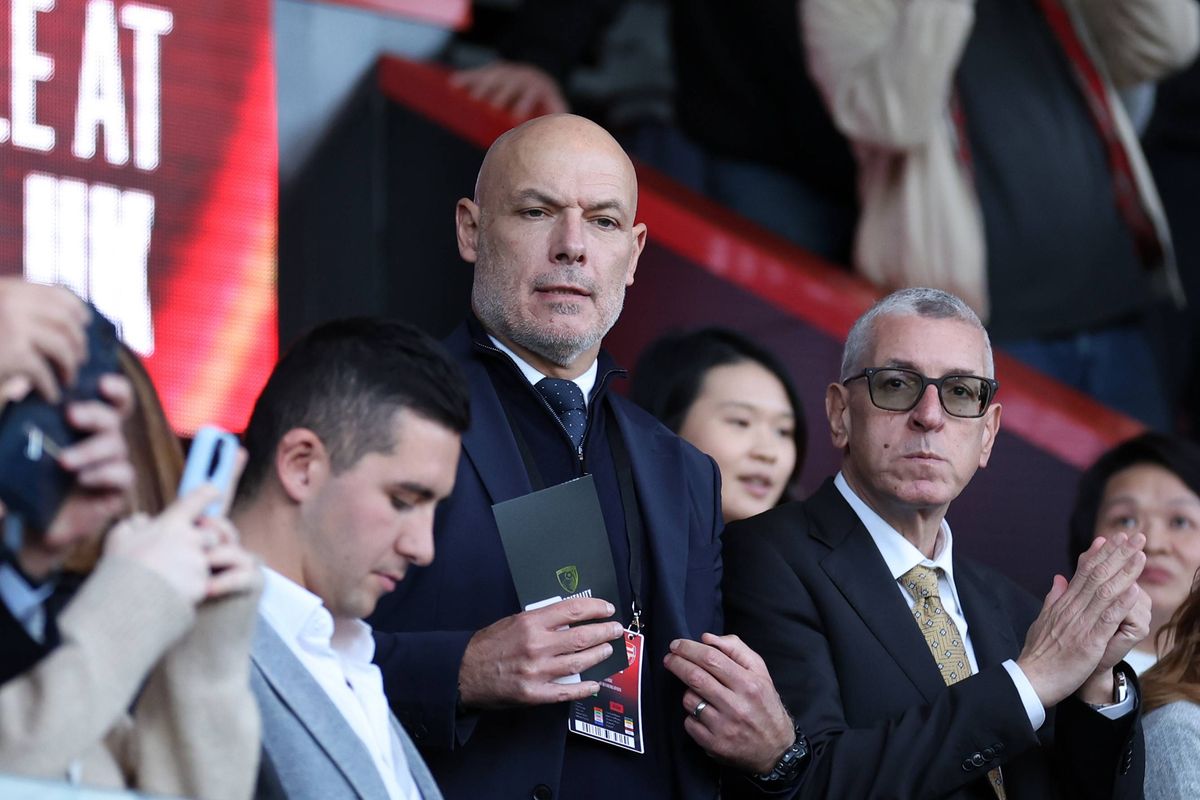
PGMOL chief Howard Webb has condemned FIFA’s reversal of Folarin Balogun’s red card at the 2026 World Cup as “not helpful” for referees, warning that the episode risks fuelling conspiracy theories about the integrity of officiating decisions.
Balogun was sent off during the United States’ last-32 victory over Bosnia & Herzegovina, triggering an automatic one-match ban. The suspension was subsequently overturned following a reported conversation between FIFA President Gianni Infantino and US President Donald Trump, allowing Balogun to feature in the last-16 tie against Belgium. FIFA maintained it had acted within its rules, but the episode drew widespread criticism.
Webb, the former Premier League official who now heads the Professional Game Match Officials Limited, said the incident created dangerous space for unfounded suspicion. “Integrity in football is so, so important,” he said. “We live in a world where conspiracy theories are abounding based on nothing, no fact, no evidence. Of course, when something like that happens and there’s external pressure applied, it’s not helpful because it creates a space for those conversations to happen.”
He was careful to separate the actions of the original referee from the controversy that followed. “I don’t think the referee thinks much more about it. They do their job on the day, the VAR does their job on the day,” Webb said. “I just think that it was the fact that it was admitted post-event that some pressure had been applied and a process implemented. At least what we know, it gives fuel to those people that think that those conversations happen all the time — and I’m really confident they don’t.”
Webb is not alone in his concern. Premier League chief executive Richard Masters also questioned FIFA’s handling of the situation, pointing to the absence of a clear and transparent red card review process at international level. “I don’t understand why FIFA doesn’t have a very straightforward red card review process in place, like we do in the Premier League,” Masters said. “That would have been a much better way to proceed.”
Masters also raised the broader principle at stake, noting that FIFA’s own statutes commit the organisation to keeping political interference out of football — a commitment he suggested had been tested by the Balogun episode.
Read also
-
 Football ·
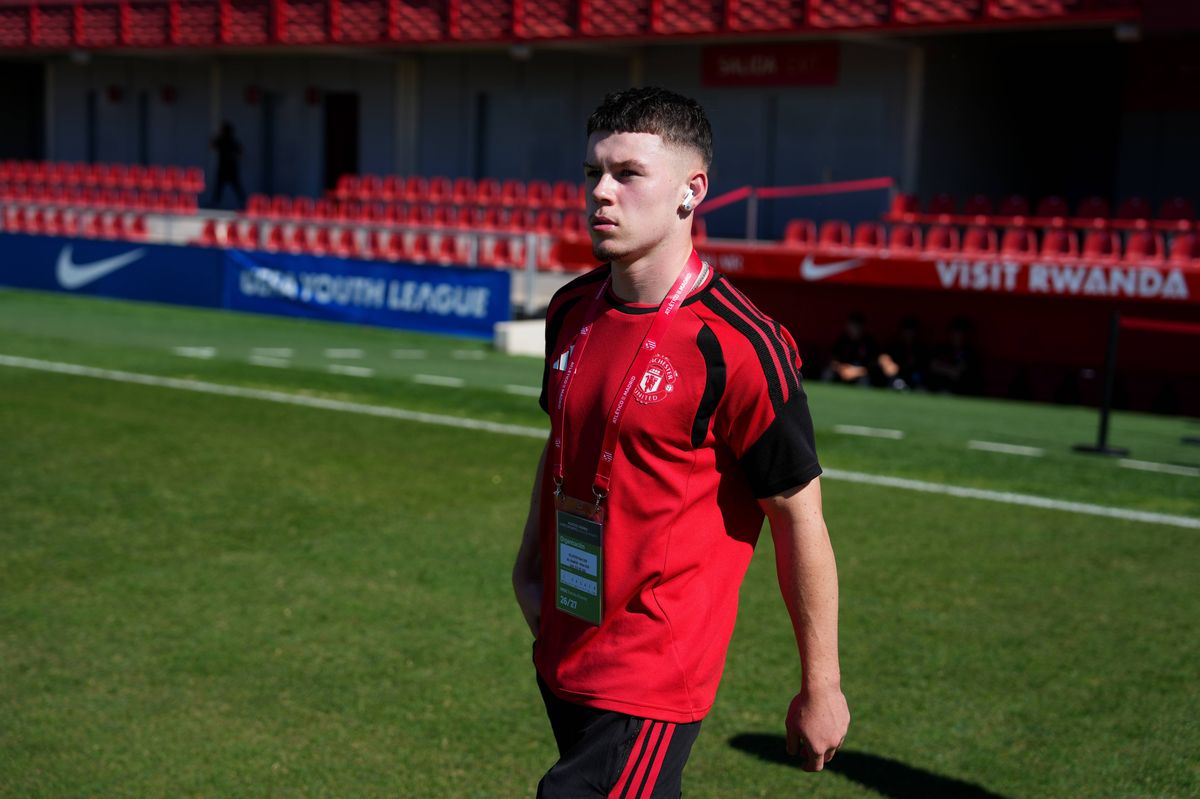
Kai Rooney scores on U18s debut day after suffering late heartbreak in PL2 bow
-
 Football ·
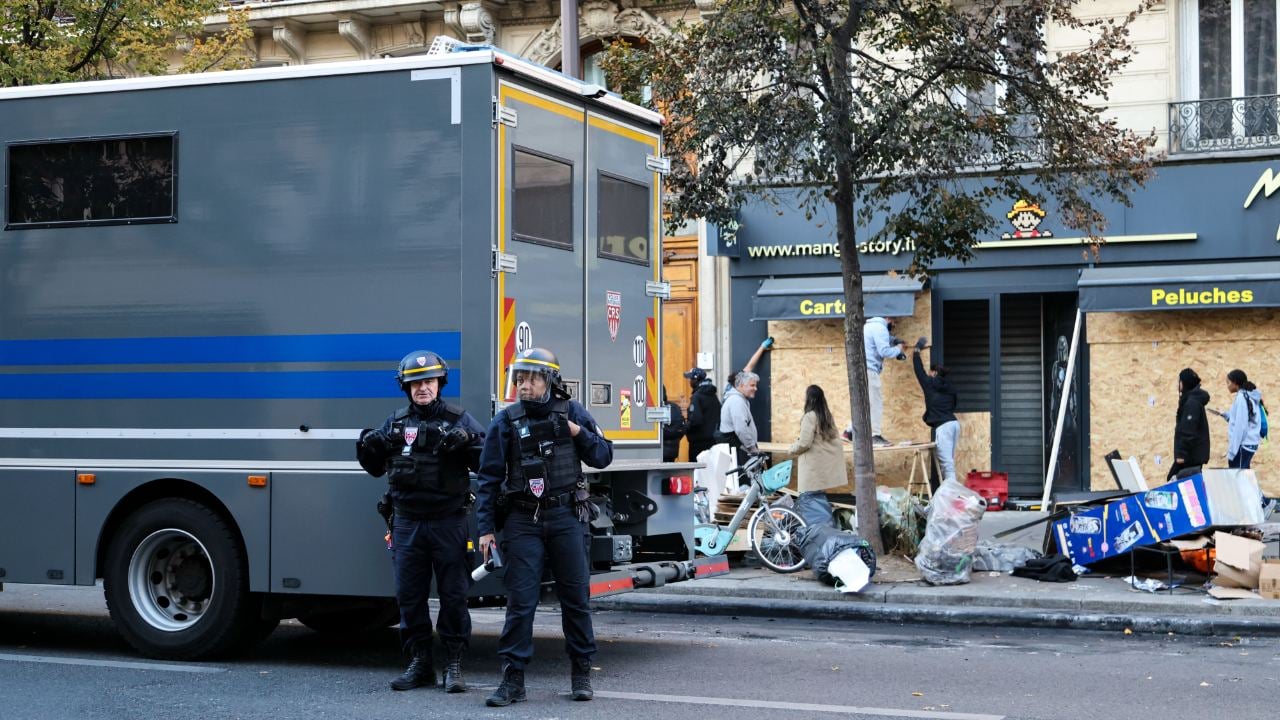
Emmanuel Petit Blasts Rioters and Politicians in Powerful Video
-
 Football ·
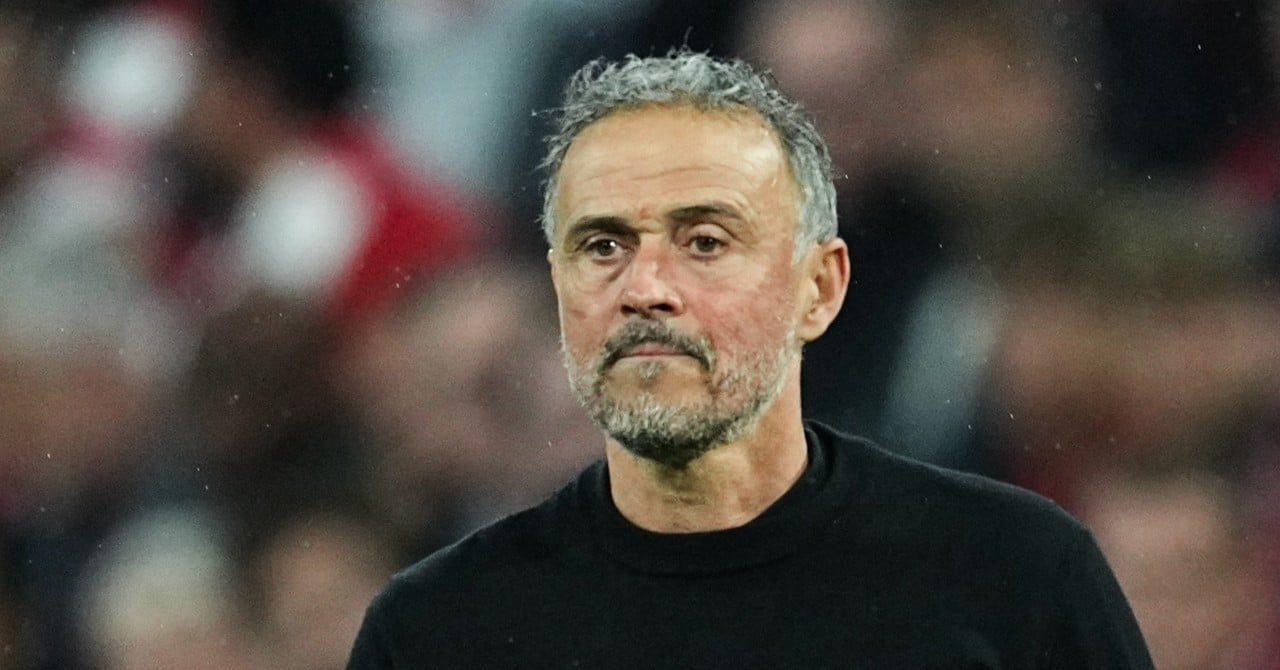
Nuno Mendes' Muscle Injury Deprives PSG of Its Best Defence Against Yamal
-
 Football ·
Maguire explains Carrick's tactical shift as United drop points at Elland Road
-
 Football ·
Morocco has no recourse after CAS ruling on 2025 Africa Cup of Nations
-
 Football ·
Carrick rejects reluctance claims as All or Nothing filming raises United dressing room fears
 Spain U17 W