Villeneuve says thin talent pool is the real barrier keeping women out of F1
1997 world champion Jacques Villeneuve has argued that the scarcity of women attempting to reach Formula 1 is the sport's core problem, speaking alongside Jamie Chadwick after she became the first woman in over a decade to test a Williams F1 car.
2 min read
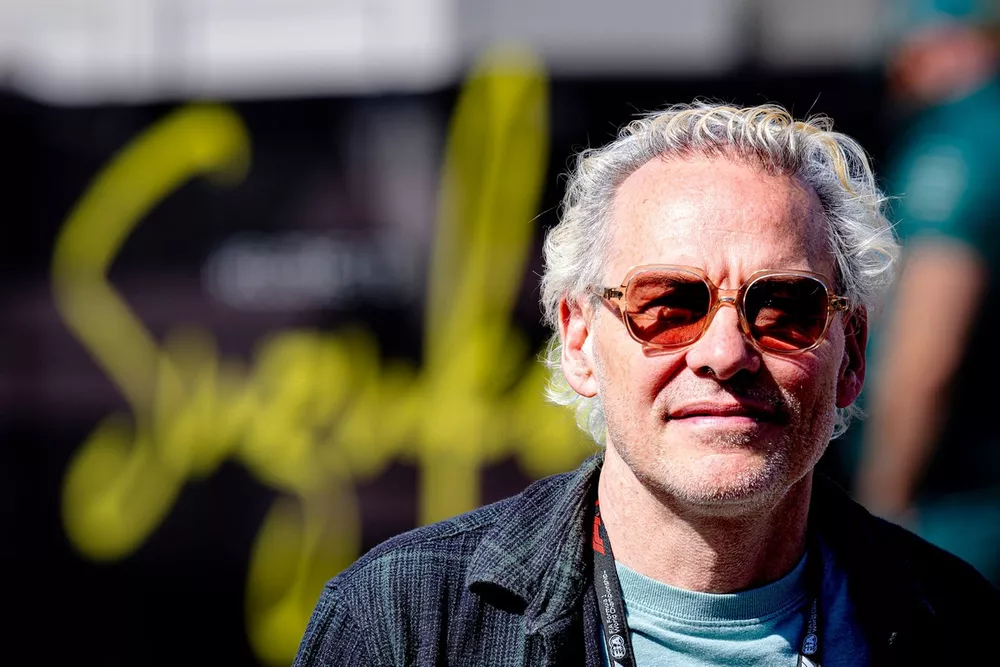
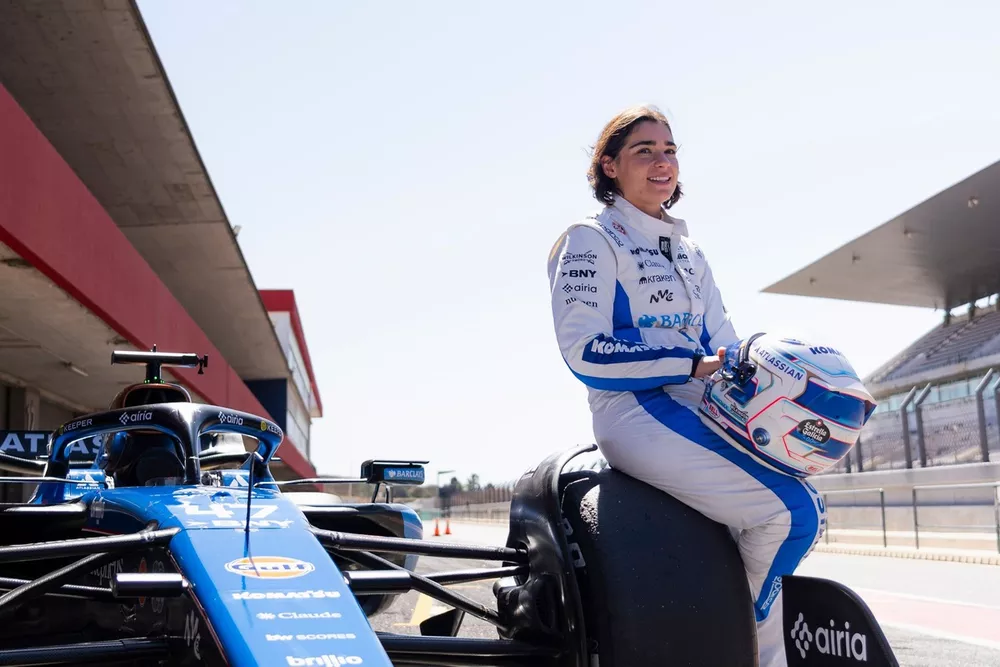
Jacques Villeneuve has identified the small number of women entering motorsport at grassroots level as the fundamental obstacle to a female driver reaching Formula 1, speaking alongside three-time W Series champion Jamie Chadwick following her test in Williams’ 2025 FW47 at Portimão.
Chadwick, 28, completed 32 laps of the Portuguese circuit this week as a Williams ambassador — becoming the first woman in more than a decade to test a current-spec F1 car for the team. The milestone prompted a wider discussion about what it would actually take for a woman to reach the grid on merit.
“It’s tough because there aren’t many women, or enough women trying,” said Villeneuve, the 1997 world champion. “The talent pool is small, so that makes it very difficult. For 1000 men, maybe you have one woman trying, and then that complicates matters.”
Chadwick acknowledged the point but added a structural dimension to the debate: the sheer lack of available seats in F1 makes the path difficult for everyone, not only women. “We were talking about Formula 3 champions, Formula 2 champions, all struggling to get seats. It’s not just women who are struggling to get seats. Everyone is struggling to get seats.”
For Chadwick, however, the test itself carried a more immediate significance — confirming that the physical demands of a modern F1 car are not an insurmountable barrier. “What doing that test has really solidified is that women can be capable and will be capable in the future,” she said. “It was very tough on my neck, but possible. So that’s positive.”
She outlined a pathway she believes will eventually lead to a woman racing in F1 on pure merit: a female Formula 3 champion, then a female Formula 2 champion, and ultimately a full grid entry. “As much as I would have loved to have said, ‘Yeah, I’d easily be fine,’ I wouldn’t, just because of the level that they operate at,” she added. “But to physically drive the car and get in — that’s positive.”
The conversation reflects a broader debate in motorsport about how to grow the pipeline of female talent, rather than simply waiting for it to emerge from a system that has historically attracted far fewer women than men at entry level.
Read also
-
 Formula 1 ·
Coulthard warns heads will roll if Williams B-spec FW48 upgrade misfires in Baku
-
 Formula 1 ·
Norris admits McLaren are 'miles off' pace after troubled Baku practice
-
 Formula 1 ·
F1 funds Imola standby plan as Qatar and Abu Dhabi season finale remains in doubt
-
 Formula 1 ·
F1 funds Imola grandstands as secret Plan B while Abu Dhabi remains season finale
-
 Formula 1 ·
Cadillac lures former Red Bull design chief Skinner in three-pronged technical overhaul
-
 Formula 1 ·
Jamie Chadwick calls maiden Williams F1 test 'surreal' after completing 32 laps at Portimao

 Finland U17