United fans halt Champions League clash with Roma by throwing tennis balls onto Old Trafford pitch
Manchester United supporters staged a mid-game protest against owners the Glazers and Sir Jim Ratcliffe during Tuesday's Champions League tie against Roma, throwing tennis balls onto the Old Trafford pitch from the 21st minute — a time chosen to mark 21 years of Glazer ownership.
1 min read
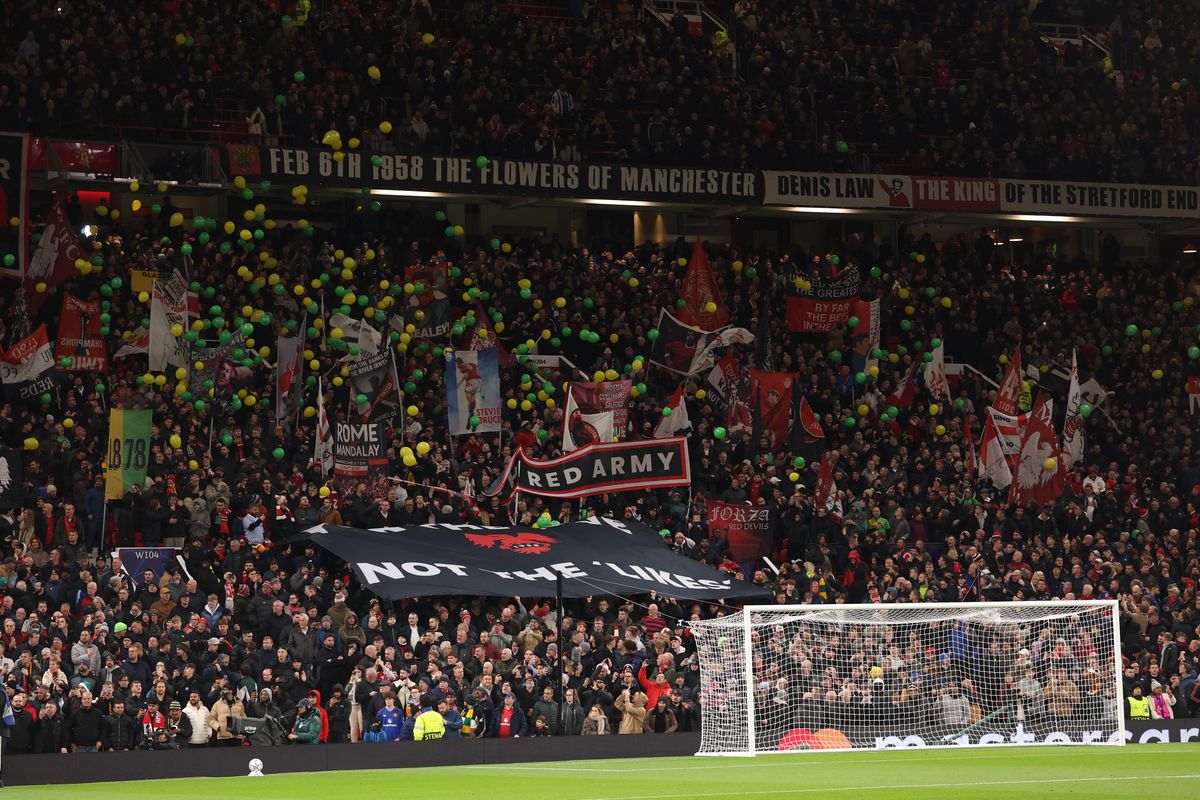
Manchester United fans disrupted their Champions League home fixture against Roma on Tuesday night by throwing tennis balls and other objects onto the Old Trafford pitch, forcing a brief stoppage in play.
The demonstration began in the 21st minute, a deliberate reference to the 21 years the Glazer family have owned the club. Roma forward Matheus Cunha was among the players who helped clear the objects from the surface before the match could resume.
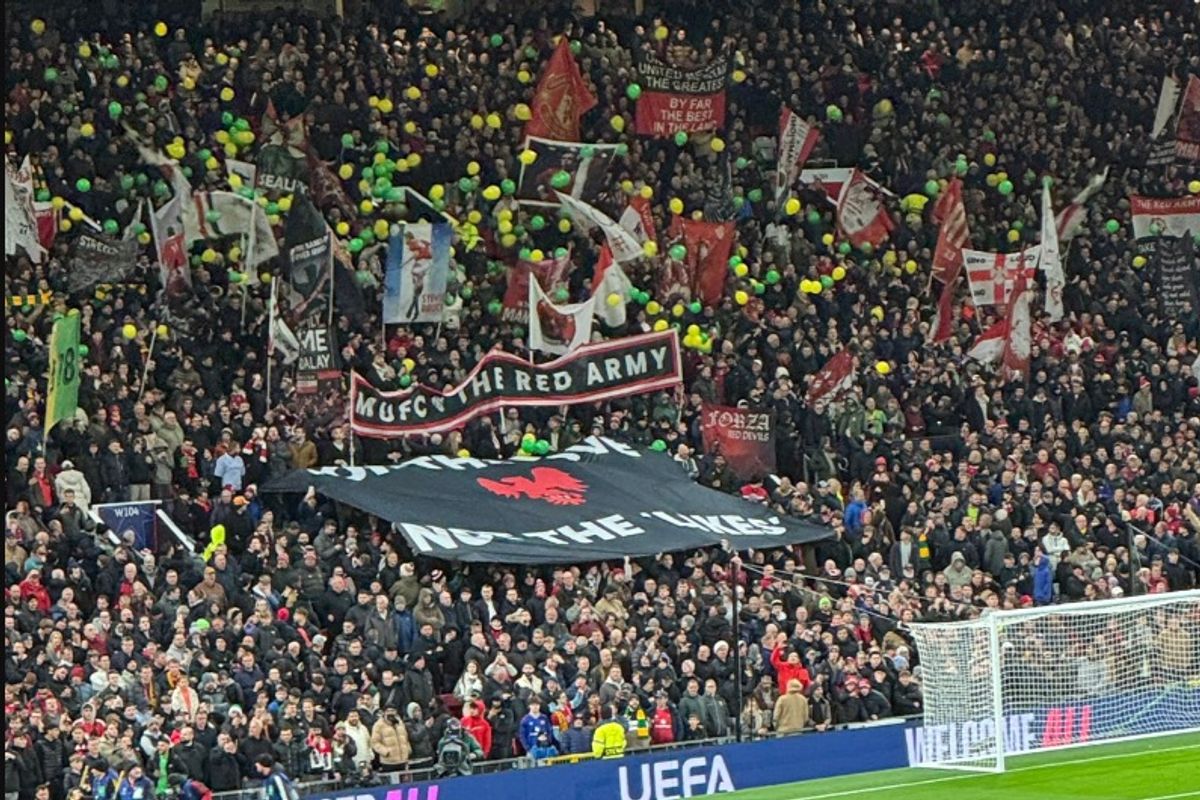
The on-pitch protest was preceded by a visual display ahead of kick-off, when hundreds of yellow and green balloons — colours long associated with anti-Glazer sentiment — were released from the Stretford End as the two teams walked out of the tunnel.
The action is the latest in a sustained campaign by United supporters against the club’s ownership. Ahead of the Manchester derby on 13 September, approximately 500 fans gathered to protest against the club’s crackdown on ticket touting — an operation United later acknowledged may have “affected some innocent supporters”.
Chants directed at both the Glazers and Sir Jim Ratcliffe, who acquired a minority stake and took operational control of the club, have become a regular feature at Old Trafford this season. Fan frustration has been aimed squarely at the ownership rather than head coach Michael Carrick, as United’s form has deteriorated sharply.
Read also
-
 Football ·
Baleba hobbles off in tears as hamstring injury mars United's Champions League clash with Roma
-
 Football ·
Arteta backs Dowman to chase youngest Champions League scorer record against Slavia Prague
-
 Football ·
Hendon midfielder Ezekiel Williams dies suddenly at 26 as non-league community mourns
-
 Football ·
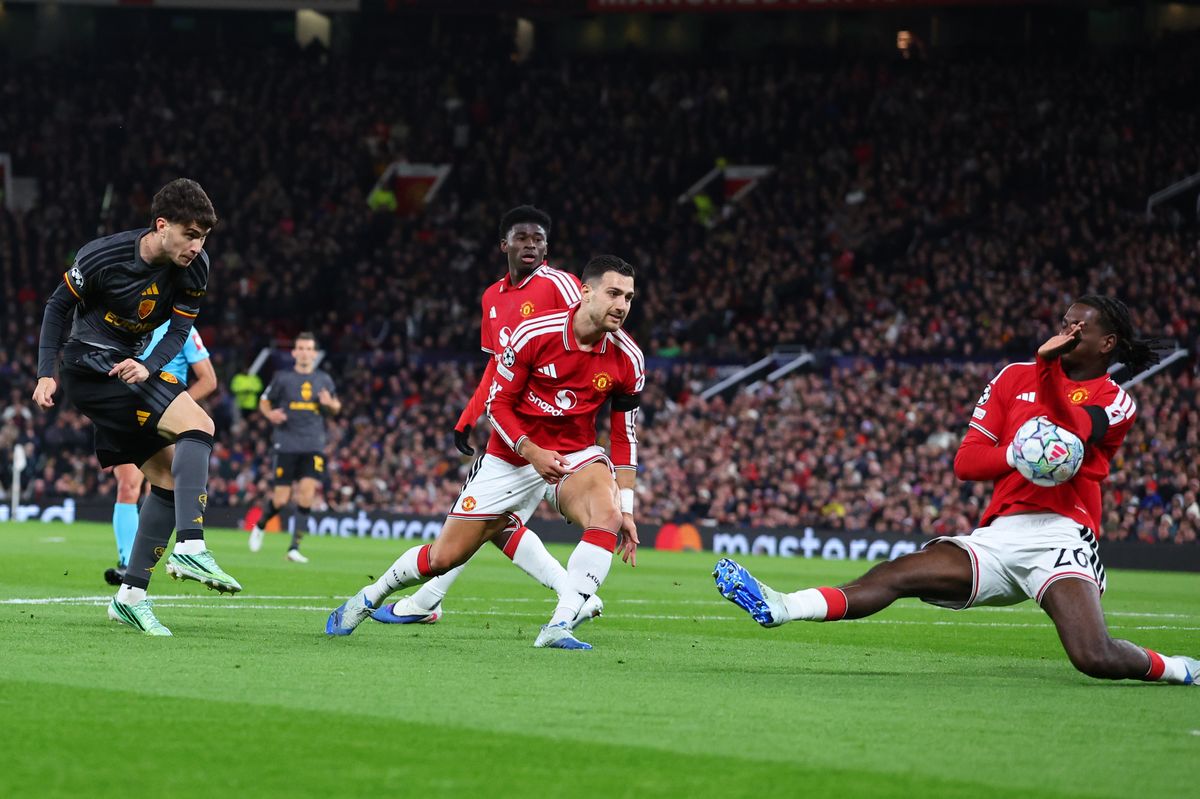
Heaven's handball and defensive chaos leave 10-man United two down inside 20 minutes against Roma
-
 Football ·
Maresca warns City cannot keep relying on Haaland after back-to-back Premier League defeats
-
 Football ·
United fans flood Old Trafford with green-and-gold balloons in Glazer protest before Roma clash