Talbott demolishes Figueiredo in 129 seconds at UFC 332, calls out Sean O'Malley
Payton Talbott stopped former flyweight champion Deiveson Figueiredo at just 2:09 of the first round at UFC 332, then immediately called out ex-bantamweight champion Sean O'Malley, demanding the fight the promotion bypassed him for.
1 min read
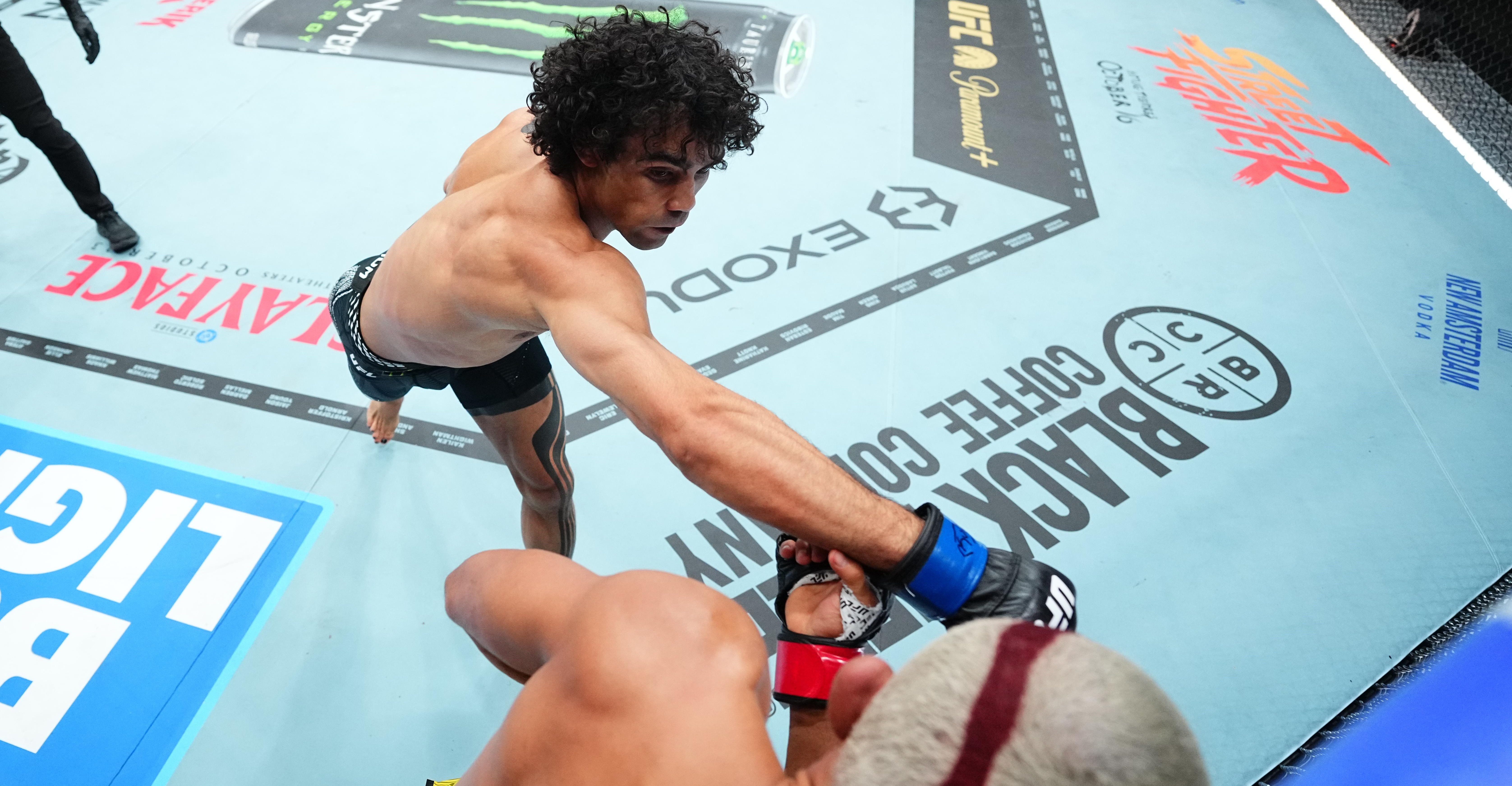
Payton Talbott made it two former UFC champions dismantled back-to-back, stopping Deiveson Figueiredo at 2:09 of the opening round at UFC 332 before pointing his finger squarely at Sean O’Malley.
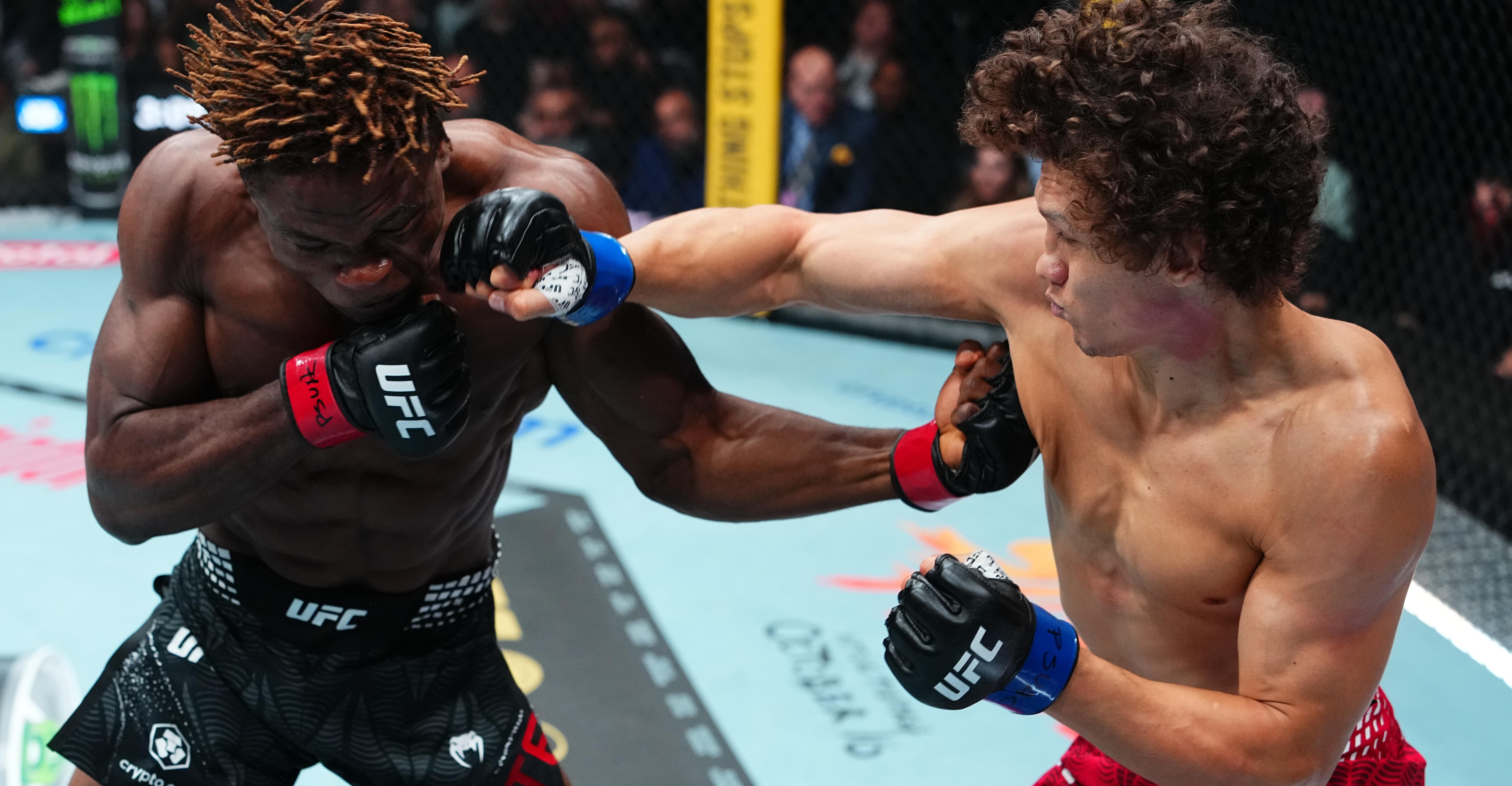
Talbott, the heavy favourite heading in, wasted no time justifying that billing. A right hand down the middle dropped Figueiredo almost immediately, and although the former flyweight champion recovered to his feet, Talbott never let him settle. A thunderous knee nearly ended things on the spot, and when Figueiredo attempted to trade back, the exchange went only one way. Referee Jason Herzog stepped in to wave it off with Talbott still unloading.
“Extremely happy,” Talbott said after the finish. “I just mopped the floor with two champions back to back. Sean O’Malley, you can’t run forever.”
The callout carried a pointed edge. Talbott revealed he had been offered a fight with O’Malley for the UFC White House card but was passed over in favour of Aiemann Zahabi. O’Malley won that night by knockout, but Talbott made clear he views the result as borrowed time rather than a closed door.
Now 12-1 in his professional career, Talbott has built a compelling case for a marquee bantamweight matchup. Back-to-back stoppages of former champions carry obvious weight in the rankings conversation, and a fight with O’Malley — should the former champion accept — would represent the biggest test of Talbott’s career to date.
Read also
-
 MMA ·
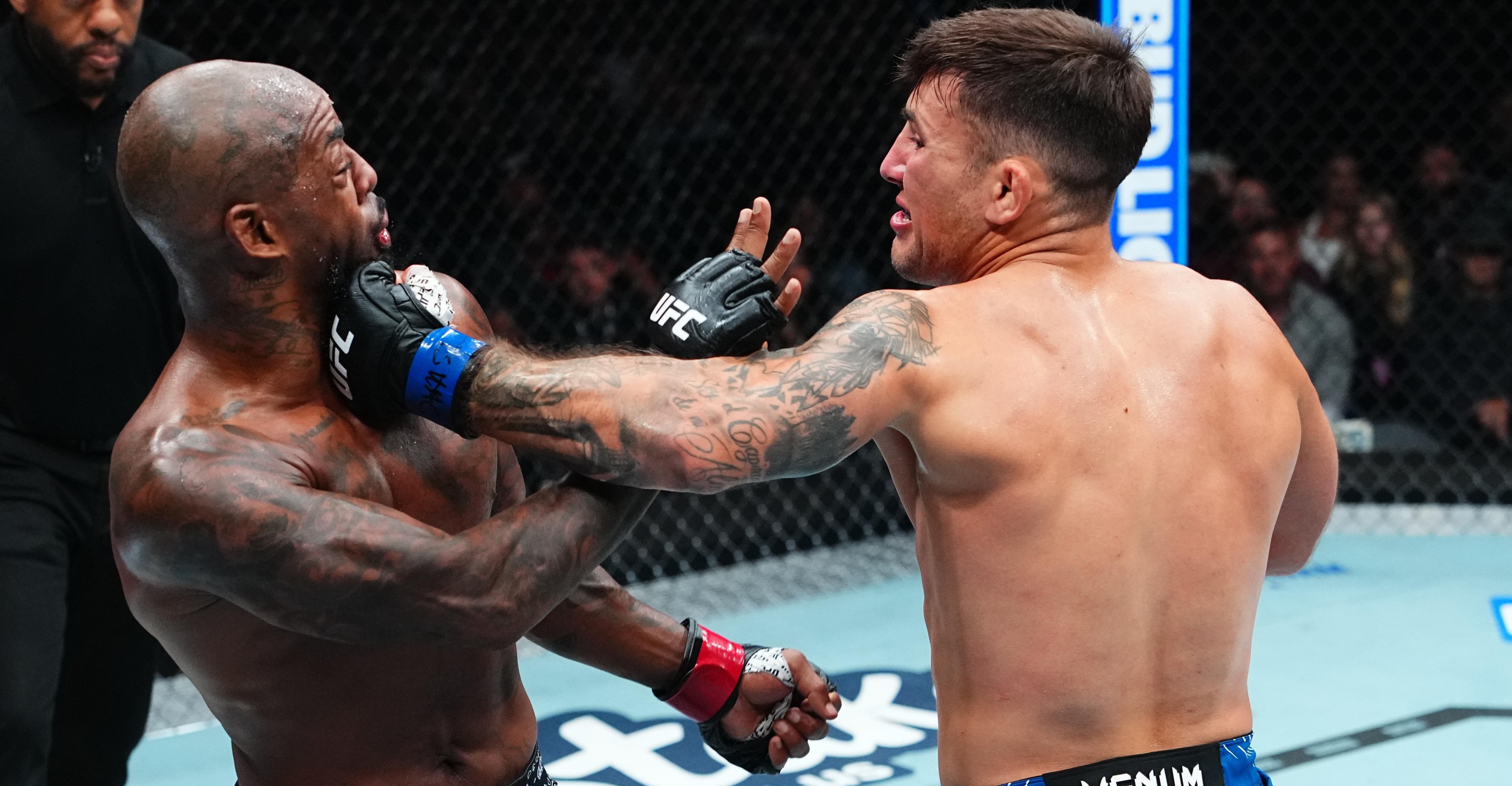
MMA ·Ribovics floors Green four times to seal brutal first-round stoppage at UFC 332
-
 MMA ·
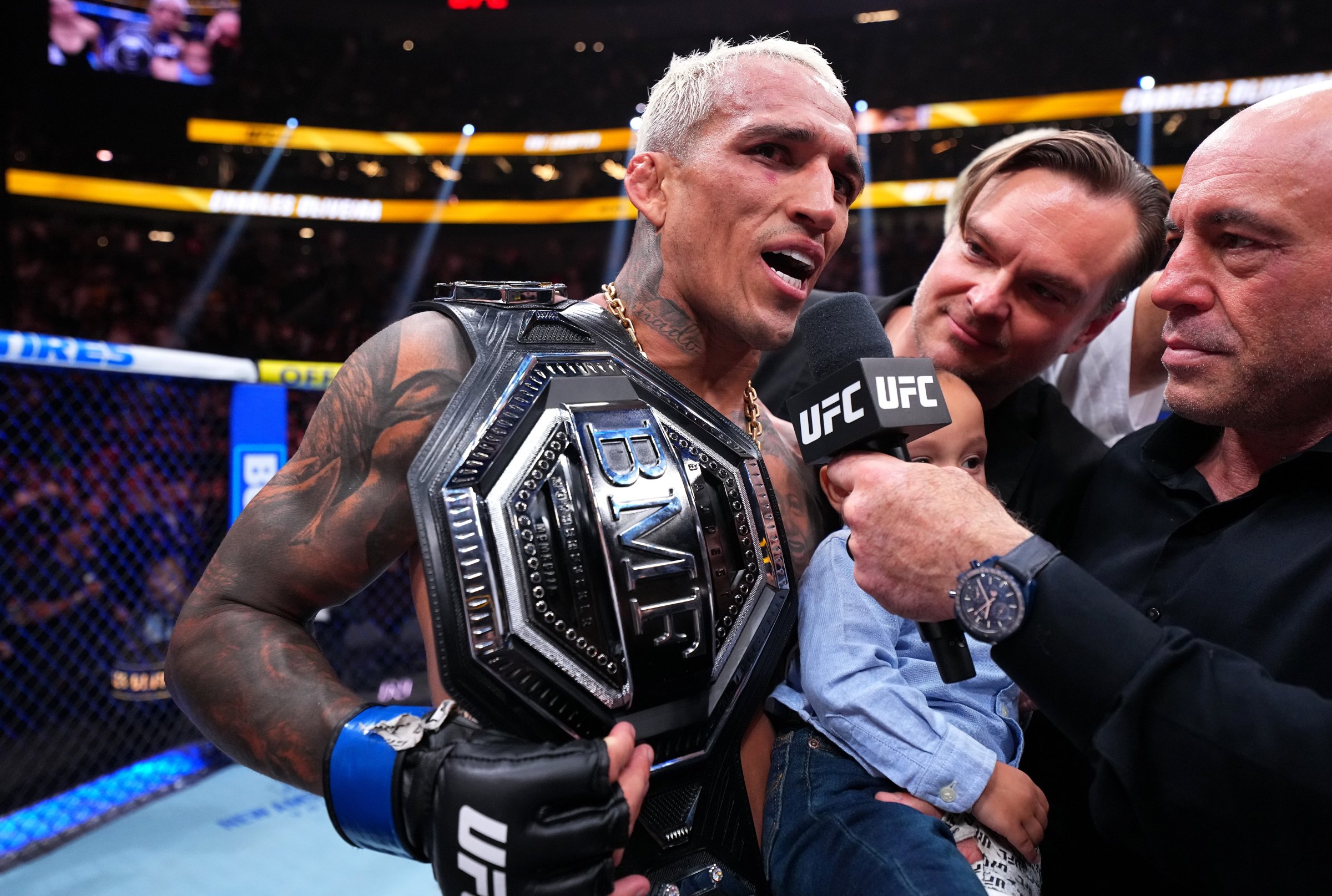
MMA ·Oliveira defends BMF title against Lopes in UFC 335 main event on December 12
-
 MMA ·
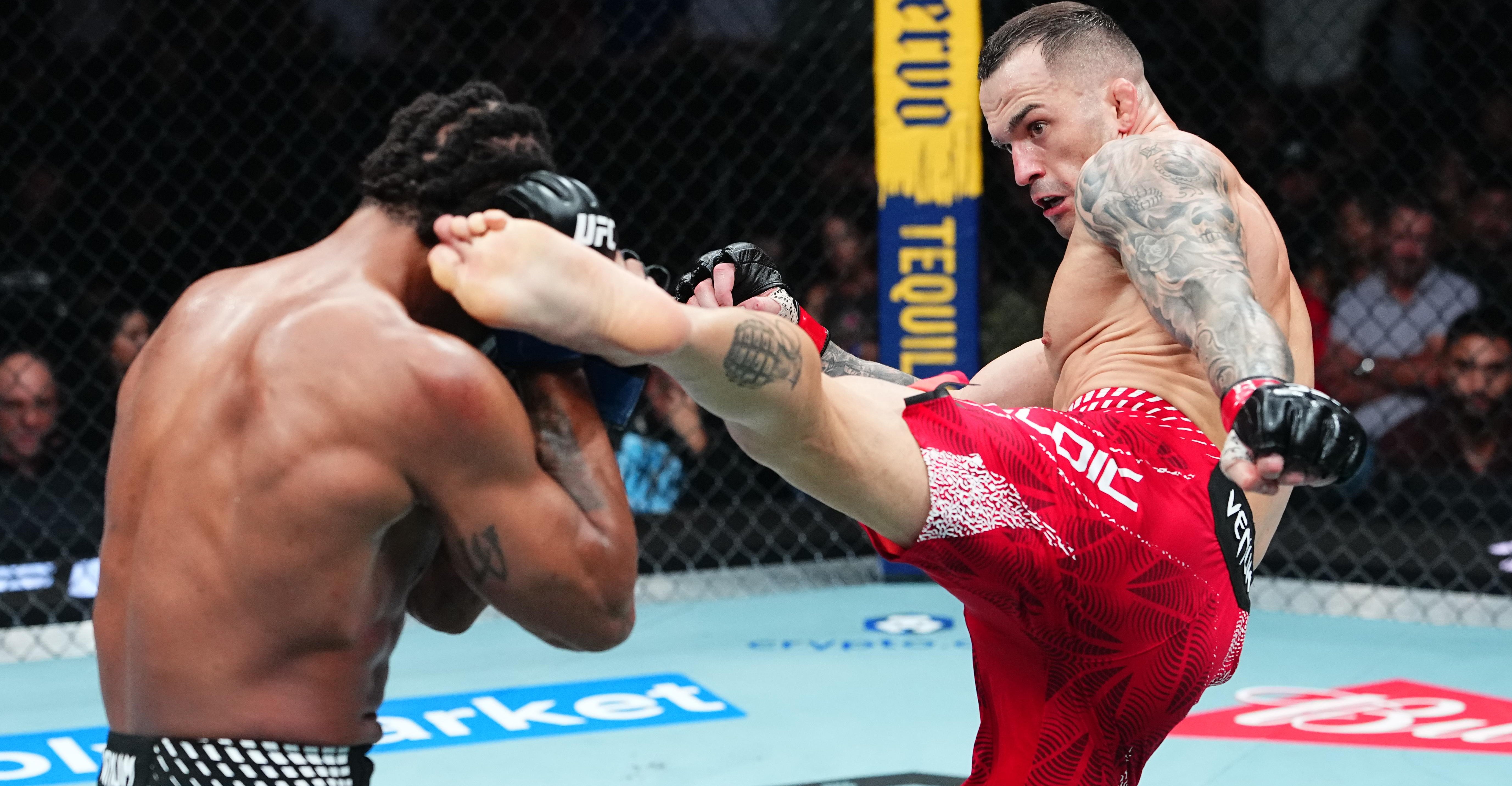
MMA ·Soldic overcomes two knockdowns to outclass Williams on UFC debut
-
 MMA ·
MMA ·Pereira returns to heavyweight as five-round UFC 335 co-main against Pavlovich confirmed
-
 MMA ·
MMA ·Kopylov stuns favoured Gautier with first-round knockout to open UFC 332 main card
-
 MMA ·
MMA ·Cormier's protégé Rodriguez stuns flyweight division with first-round body kick KO at UFC 332
 Comoros