Saliba played with back fracture for two months at World Cup
Arsenal's central defender competed throughout the 2026 World Cup under painkillers despite suffering a back fracture in the Premier League two months before the tournament. He was forced to leave the pitch at the 30-minute mark of the semi-final against Spain.
1 min read
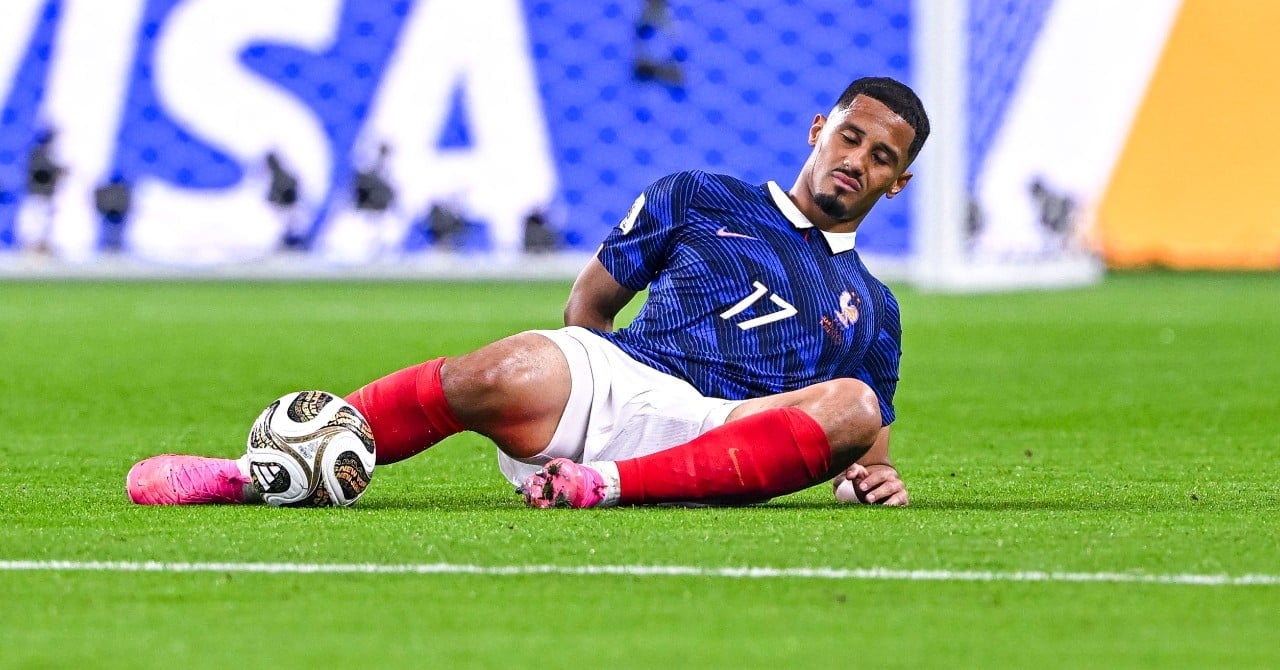
William Saliba competed throughout the 2026 World Cup with a back fracture before being forced to leave the pitch at the 30th minute of the semi-final against Spain. The Arsenal central defender sat down on the grass to signal to Didier Deschamps that he could no longer continue, handing over to Maxence Lacroix at a difficult moment for the Blues, who had just conceded a penalty following an error by Lucas Digne.
According to RMC Sport, the injury dated back two months before the start of the competition, sustained during a Premier League match. To remain available, the Bondy native resorted to painkillers throughout the tournament, where he had started every match alongside Dayo Upamecano in the French central defence.
Deschamps had appeared to downplay his defender’s condition in early June, ahead of a warm-up match against Côte d’Ivoire. “I don’t know what your concerns are. William is fine. If I had needed to play him tomorrow, I would have. But he won’t play,” the manager said, remarks that now take on particular significance.
Following the semi-final, Saliba underwent medical examinations to determine the length of his unavailability. The true extent of the damage remains to be clarified, but the revelation of this injury concealed throughout the competition raises questions about the medical and sporting management of the matter within the French staff.
Read also
-
 Football ·
Soriano tells rival club chiefs City's 115-charge legal battle will take 'a lot more time'
-
 Football ·
Norwich City mourn Michael Wynn Jones, former majority shareholder and Delia Smith's husband, at 85
-
 Football ·
Czech captain Krejčí vows to repeat 2019 shock as new boss Denia seeks England revenge
-
 Football ·
Matuidi reveals why Ronaldo impressed him more than all his other teammates
-
 Football ·
McCourt's fortune soars to $1.5 billion as Marseille sinks into crisis
-
 Football ·
Ballon d'Or 2026: Voting closes, Mbappé, Yamal and Dembélé among favourites
 Tajikistan