Russell raced worn Mercedes parts in Singapore after Sprint crash depleted team's spare inventory
George Russell's Singapore Grand Prix was harder than it appeared. A crash in Saturday's Sprint race wiped out Mercedes' entire stock of fresh carbon fibre, forcing engineers to rebuild his W17 with previously used components that carried less aerodynamic performance.
1 min read

George Russell completed the 2026 Singapore Grand Prix in a Mercedes W17 rebuilt from second-hand parts after his Saturday Sprint crash exhausted the team’s entire inventory of fresh carbon fibre spares, according to a report from German outlet Auto Motor und Sport.
The collision with the barriers during the Sprint left the Brackley squad facing a substantial overnight repair job. Mechanics were required to replace the front wing, floor, front suspension, and the entire rear section of the car — a workload so extensive that the team ran out of brand-new components before the rebuild was complete.
With no factory-fresh parts available, engineers sourced previously used pieces from the back of the garage to get Russell’s car ready for Sunday’s race. Although the scavenged components matched the exact aerodynamic specification of new ones, AMuS noted that carbon fibre degrades with use: floors pick up wear from contact with the track surface, suspension arms absorb punishment over kerbs, and the cumulative effect is a measurable reduction in raw performance compared with fresh parts.
The revelation adds context to team principal Toto Wolff’s post-race framing of Russell’s ninth-place finish as successful “damage limitation.” Russell had started 19th on the grid after absorbing a 60-place engine penalty, and the climb through the field on a tight street circuit was complicated further by a soft brake pedal and a ruptured drinks bottle that left him soaked in fluid for the duration of the two-hour race.
The used-parts situation is unrelated to any question of team preference between Russell and rookie team-mate Kimi Antonelli. The components fitted to Russell’s car were aerodynamically identical to new ones — the performance deficit stemmed solely from material fatigue accumulated over previous race weekends, not from a specification difference.
Russell’s points finish, under the circumstances, now looks considerably more resilient than the raw result suggested.
Read also
-
 Formula 1 ·
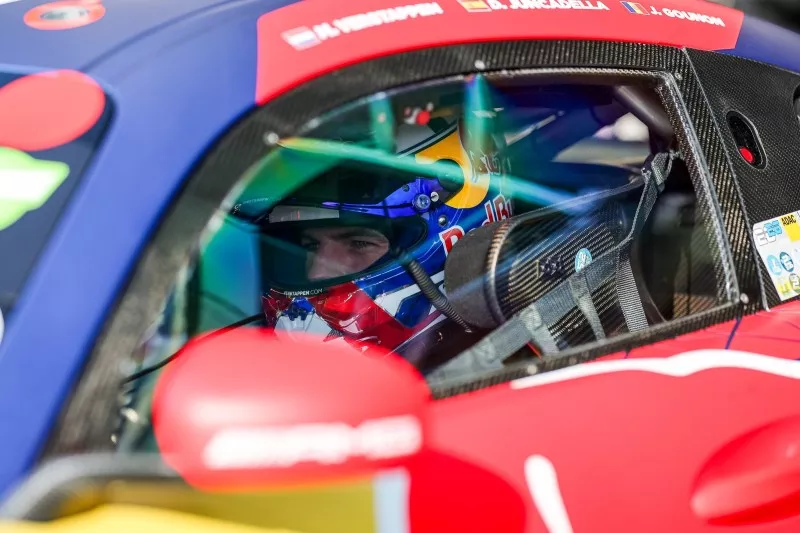
Verstappen makes GT World Challenge Europe debut at Portimao season finale
-
 Formula 1 ·
Red Bull unveils all-white race suits for US GP as fans demand matching livery
-
 Formula 1 ·
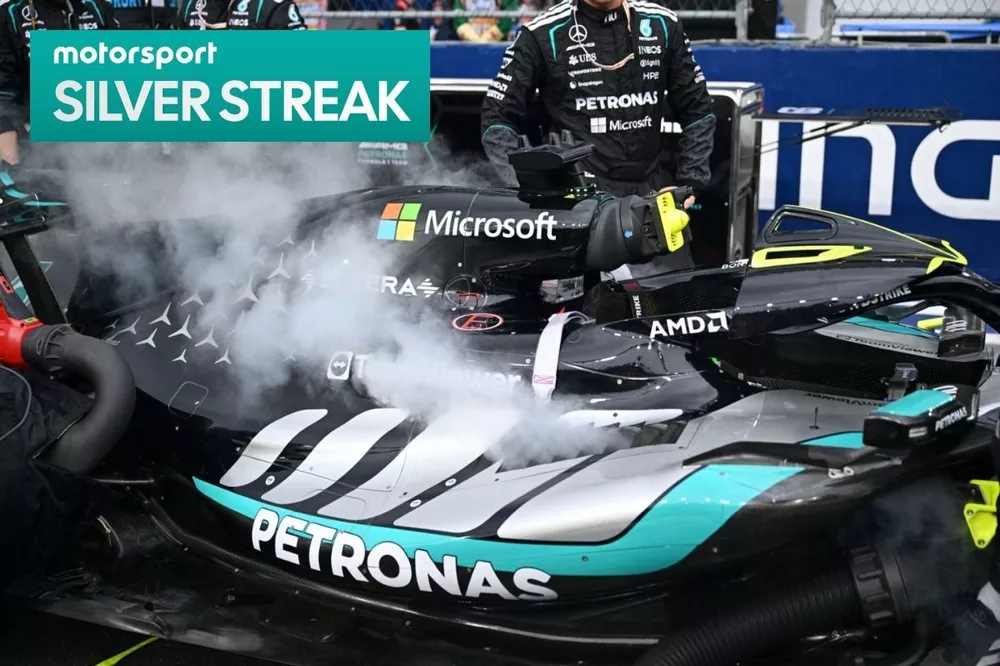
Russell confirms another Mercedes engine penalty, targets Las Vegas for grid drop
-
 Formula 1 ·
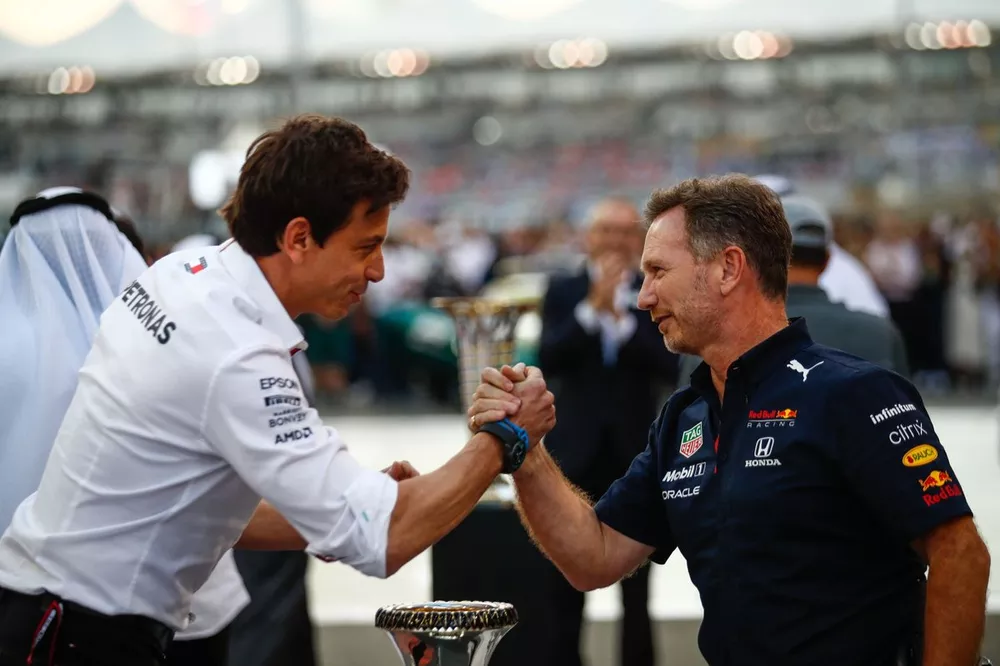
Horner admits Wolff rivalry turned to 'theatre' but insists it stayed authentic
-
 Formula 1 ·
Horner reveals Marko blocked Alonso and Leclerc from joining Verstappen at Red Bull
-
 Formula 1 ·
Mekies signs Red Bull contract extension to lead team through 2031