Red Bull's in-house engine is only half-finished — and already leads the field
Technical director Pierre Wache has rated Red Bull's first homemade power unit just four or five out of ten, yet FIA data suggests it already produces the highest combustion output on the grid. The implication: the team believes its best is still far ahead.
2 min read
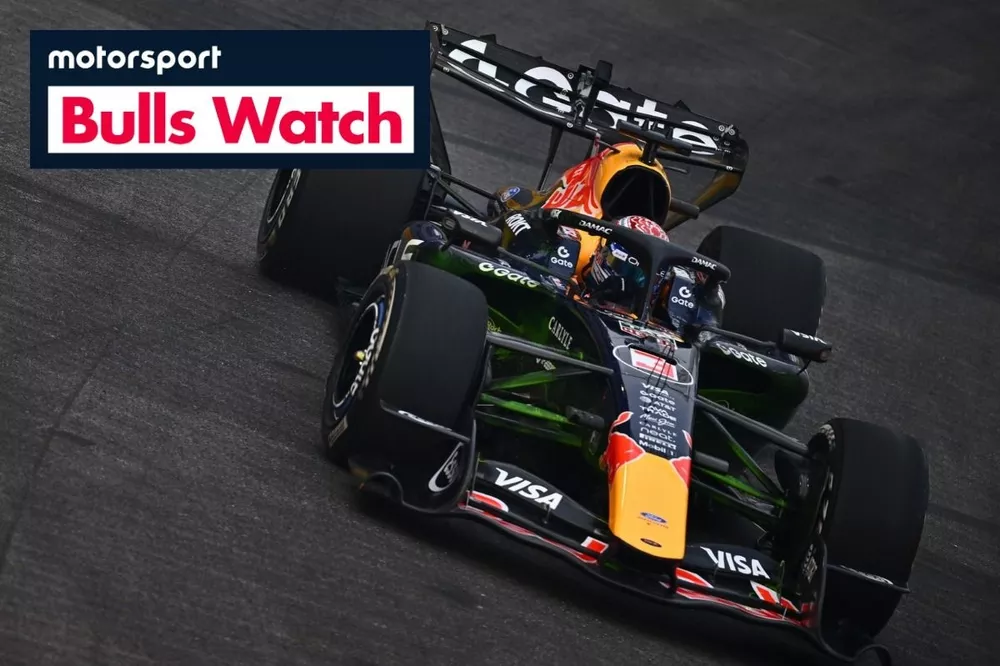
Red Bull technical director Pierre Wache has publicly rated the team’s debut in-house Formula 1 power unit at just four or five out of ten — a self-assessment that carries a pointed warning for the rest of the grid, given that independent FIA data already places the engine at the top of the field for internal combustion output.
When asked by RacingNews365 to score the Red Bull Ford DM01 project on a scale of one to ten, Wache offered the modest grade before adding: “Absolutely, the potential is massive.”
The admission lands with particular weight in context. For the entirety of its two decades in Formula 1 — from its entry in 2005 through to 2024 — Red Bull relied on external suppliers, running Cosworth, Ferrari, Renault, and Honda power units rather than developing its own. That changed this season with the launch of the DM01, a 1.6-litre turbocharged V6 built by Red Bull Powertrains at its Milton Keynes facility. Ben Hodgkinson leads the engine programme while Wache oversees the RB22 chassis, with Ford serving as the commercial and technical partner on the power unit side.
According to RacingNews365, the FIA’s ADUO assessment found that Red Bull’s internal combustion engine already generates the highest output among all competitors. If Wache genuinely considers that a 40-to-50 percent realisation of the project’s ceiling, rival teams have a concrete reason for concern.
Wache acknowledged that bringing an engine department and a chassis department under one roof has not been straightforward. “The collaboration and the integration within the team are taking time because the way we work is a little bit different,” he said. He was equally candid about the scale of what remains unexplored: “I wouldn’t say it’s easier, because we have a lot more capacity and a lot more possibilities that we haven’t explored and exploited yet.”
The upside of full vertical integration, in his view, is the freedom it eventually unlocks. “Ultimately, we’ll have more freedom,” Wache said. “It’s a success story. But you know, the journey isn’t over yet. We have plenty of stuff to improve together.”
For a team that has won four consecutive constructors’ championships and seen Max Verstappen claim four successive drivers’ titles, the suggestion that the engine powering those ambitions is still in its developmental infancy will do little to reassure competitors already chasing Red Bull across the grid.
Read also
-
 Formula 1 ·
Zara launches first Ayrton Senna clothing collection inspired by his off-track 1990s style
-
 Formula 1 ·
F1 champion Norris takes stake in £500m hospitality firm through athletes' venture fund
-
 Formula 1 ·
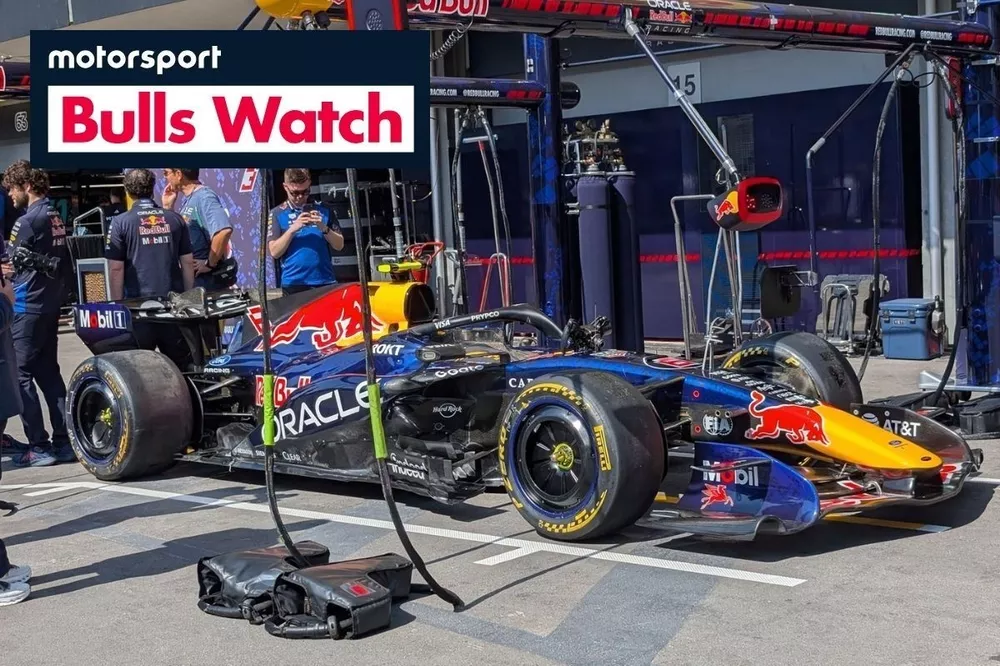
FIA closes Red Bull's sidepod loophole with tighter 2027 technical regulations
-
 Formula 1 ·
Verstappen makes GT3 debut at Portimao as Rossi shares the grid in GTWCE finale
-
 Formula 1 ·
Bottas forced to lift and coast on lap two as Cadillac's brake woes persist in Singapore
-
 Formula 1 ·
Kardashian revives 'Towel-Gate' with Antonelli on Singapore red carpet