Rüdiger defends Mbappé: "No point asking him to do my job"
Antonio Rüdiger publicly defended Kylian Mbappé against criticism of his defensive involvement at Real Madrid, arguing that a player with over 100 goals for the club should not be expected to perform defensive duties.
1 min read
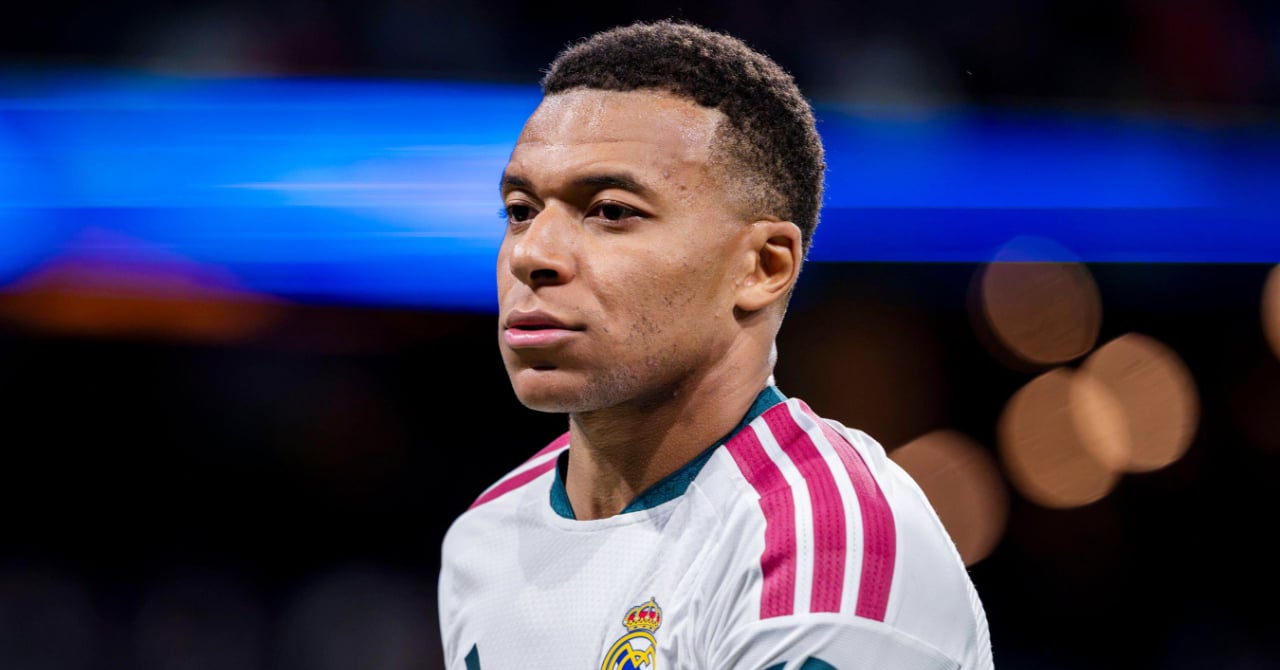
Antonio Rüdiger publicly defended Kylian Mbappé, whose defensive involvement is regularly criticized both at Real Madrid and with the French national team.
When asked by The Athletic, the German centre-back rejected the idea that the French forward should participate more in pressing or defensive recovery. “Am I supposed to tell a guy who, in two years, has scored more than 80 or 90 goals — and who now has 100 for the club — to do my job? That makes no sense,” he said.
Rüdiger drew on the club’s recent history to support his argument. “Look at how things were in the days of Gareth Bale, Karim Benzema and Cristiano Ronaldo. See the success they achieved. You don’t always need to talk about their involvement in defensive tasks,” he added. For the defender, it is up to the team to adapt to the qualities of its most decisive players, not the other way around.
The question is not new, however. Luis Enrique, Carlo Ancelotti and Didier Deschamps have all, to varying degrees, unsuccessfully attempted to involve Mbappé more in play without the ball. Rüdiger’s public support contrasts with persistent questions on the subject within the technical staff that have overseen the French international.
Recent collective results nonetheless fuel the debate in the other direction: PSG, since Mbappé’s departure, and the Spanish national team, European champions 2024, have both shown that rigorous collective pressing can be a decisive advantage at the highest level.
Read also
-
 Football ·
Klopp reveals ter Stegen snubbed Liverpool move to join Barcelona in 2014
-
 Football ·
Besiktas target Amad Diallo in potential first transfer move of Pochettino's Manchester United reign
-
 Football ·
Ouazane, 17, Scores on Morocco Debut Against Niger
-
 Football ·
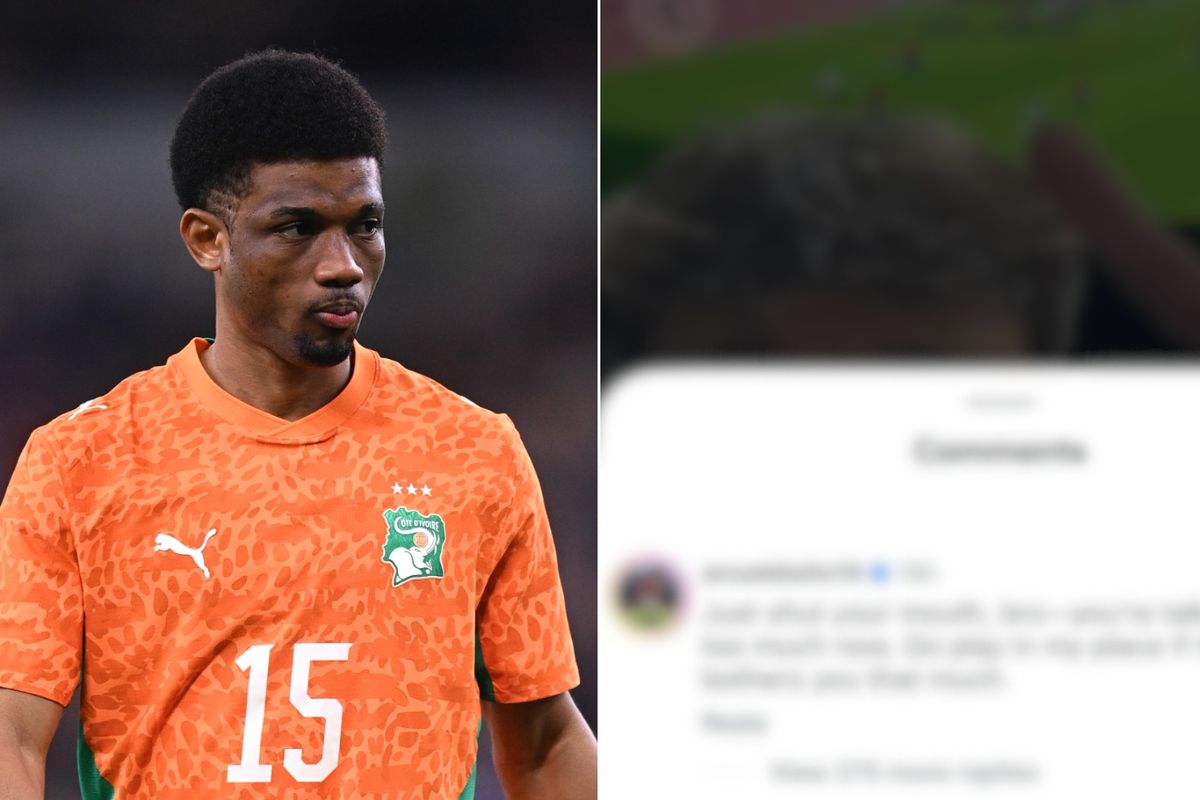
Amad tells Manchester United content creator to 'shut your mouth' over goalscoring criticism
-
 Football ·
Pochettino targets mentality, smarter running and youth integration as Man United reign begins
-
 Football ·
Claude Le Roy resigns from Congo after five months and four matches without a win

 Switzerland U17
