Rennie reveals All Blacks' retreater tactic as no team dominates aerial battle globally
All Blacks head coach Dave Rennie has explained New Zealand's high-ball strategy ahead of the Sydney rematch with Australia, stating that no team in the world is currently winning the aerial contest cleanly, with only one in four kicks caught cleanly by the receiving side.
2 min read
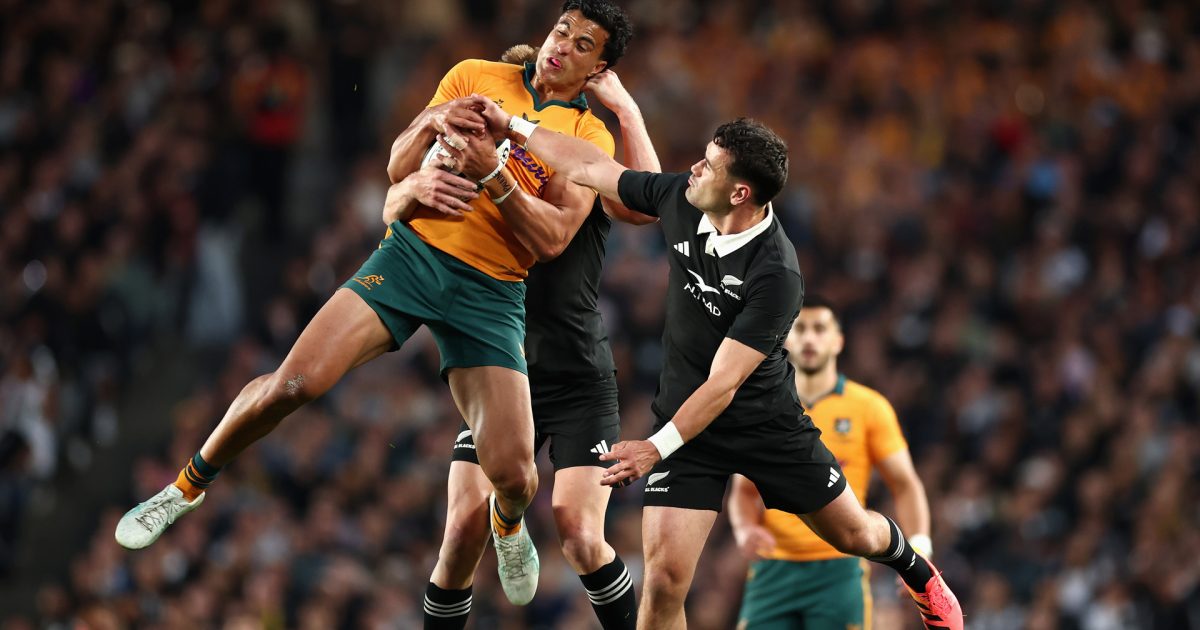
All Blacks head coach Dave Rennie has revealed the tactical thinking behind New Zealand’s high-ball approach ahead of their Rugby’s Greatest Rivalry rematch against the Wallabies in Sydney, insisting that no team in the world is currently dominating the aerial contest under the game’s new escorting rules.
Speaking to media on Thursday, Rennie cited statistics showing that receiving teams are winning clean possession from just one in four high balls, with the advantage sitting firmly with the kicking side. “There’s no side in the world dominating the ball being kicked to them, and not South Africa,” he said. “It’s the teams that kick the ball who are getting a lot of winning, a lot in the air, or getting a lot of scraps.”
The issue had been a visible weakness for the All Blacks during their tour of South Africa, but appeared to be addressed at Eden Park in the first Bledisloe Cup fixture, where New Zealand reclaimed a number of Cam Roigard’s high box kicks to generate key momentum swings. One such sequence led to the opening try, with Jordie Barrett winning the aerial contest over Joseph Suaalii before Peter Lakai finished the move.
Rennie explained that the team’s preferred method is now a retreating catch rather than contesting forward into the kick zone, a shift driven by the risk of conceding soft penalties under the new blocking rules. “Anyone who gets anywhere near blocking runs the risk of being penalised and it’s such a soft penalty,” he said.
The coach pointed to Will Jordan’s retreating role as a concrete example of the tactic working in match conditions. “One of the tries we got on the weekend involved Will Jordan tracking back, and we went a couple of phases, won a ball in the air, and ended up scoring it.”
Rennie acknowledged the approach is not unique to New Zealand, noting that several other international sides are working through the same adjustments as teams adapt to the changed laws around the catch area. “That’s the technique that we’ve been working on, and it’s no secret. I think there’s a number of sides in the world doing the same thing.”
With the old blocking tactics now outlawed, the aerial contest has become one of the more tactically fluid areas of the international game, and Rennie’s comments suggest the All Blacks believe they have found a reliable method heading into the Sydney fixture.
Read also
-
 Rugby ·
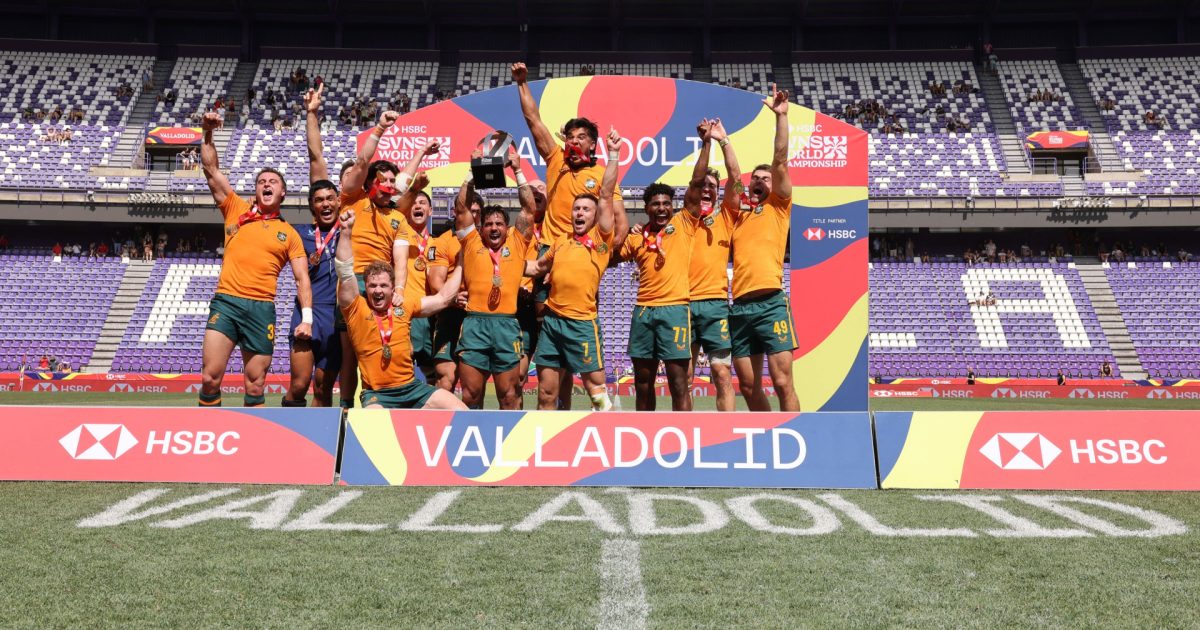
Australia's most-capped sevens player Hutchison targets LA gold after Paris bronze heartbreak
-
 Rugby ·
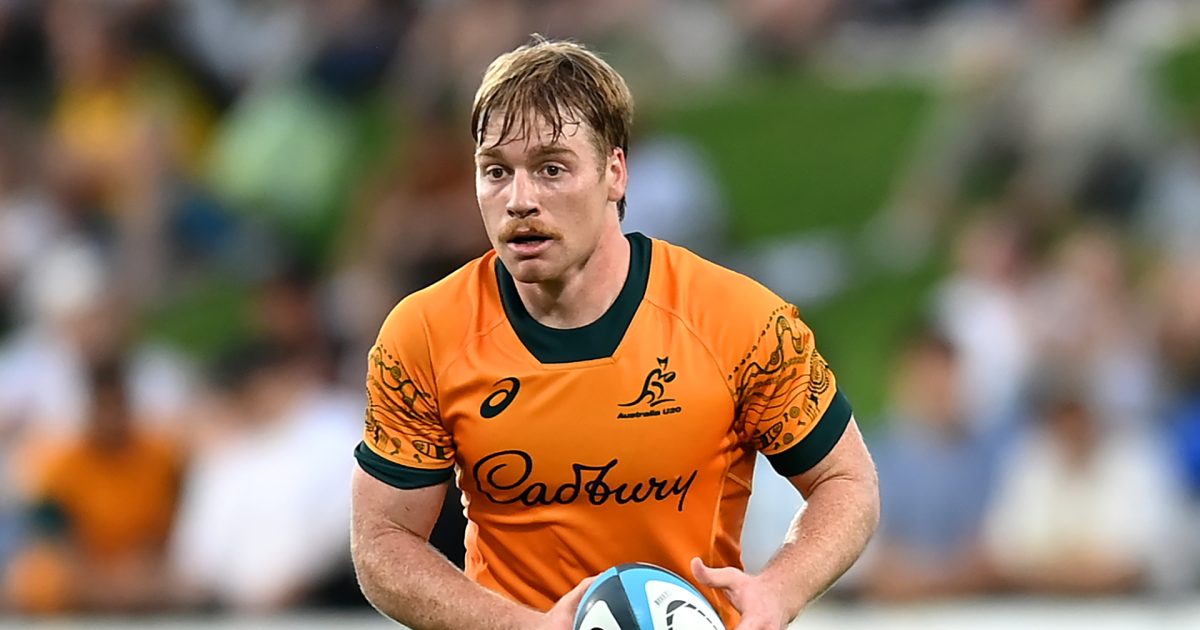
Injury forces Wallabies fly-half change as uncapped McLaughlin-Phillips set for debut against All Blacks
-
 Rugby ·
Jake White names first Flying Fijians squad with three uncapped players for Japan Centennial Test
-
 Rugby ·
Rennie jokes about 'nil all' finish as All Blacks-Wallabies pool clash shapes RWC 2027 quarter-final path
-
 Rugby ·
Karpani one cap away from 50-Test milestone as Wallaroos name squad to face Scotland
-
 Rugby ·
All Blacks rotate tight five and overhaul bench for Bledisloe II in Sydney