Rangnick sees Spain as world champions after eliminating Austria
After Austria's elimination by Spain in the World Cup round of 16, Austrian manager Ralf Rangnick has named Spain as the future world champions, despite France being positioned as the overwhelming favorite by specialists.
1 min read
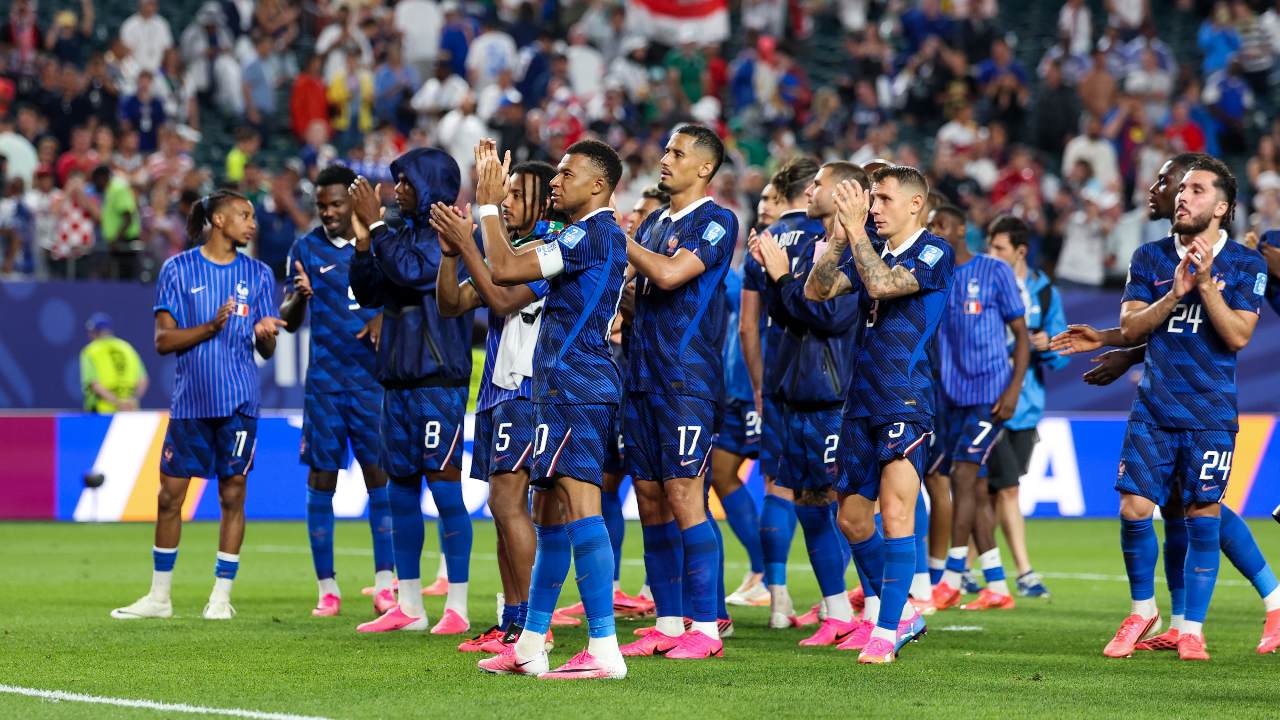
Ralf Rangnick did not mince words after Austria’s elimination by Spain in the World Cup round of 16: the Austrian manager sees La Roja lifting the trophy on July 19.
Spain dominated Austria without conceding a single goal, continuing a remarkable tournament: after an opening draw against Cape Verde, they followed with three consecutive victories while remaining unbeaten defensively. “We can only acknowledge that it is very difficult to play against Spain,” Rangnick conceded before going further. “We have not only lost to the European champions, but perhaps also to the next world champions.”
These compliments contrast with the favorite status accorded to France by bookmakers and data analysts. Les Bleus won all four group matches, driven notably by the performances of Kylian Mbappé and Michael Olise, and are positioned as the main contenders to succeed Argentina.
Asked about his Austrian counterpart’s prophecy, Luis de la Fuente chose caution. “I don’t agree. I think we need to keep improving. We must and we can do much better,” replied the Spanish manager. “This team is very ambitious. It always wants to achieve more and we want to improve a little more each day.”
Two years after Spain’s triumph at Euro, the question of a historic Euro-World Cup double is now openly raised, even if the road to the final remains long for La Roja as well as Les Bleus.
Read also
-
 Football ·
Pochettino's young USMNT face hostile crowd in Mexico rivalry test ahead of 2026 World Cup
-
 Football ·
Olise lights up France-Italy with stunning free-kick, historic double at Stade de France
-
 Football ·
No-case ruling for harassment: PSG definitively settles dispute with Mbappé
-
 Football ·
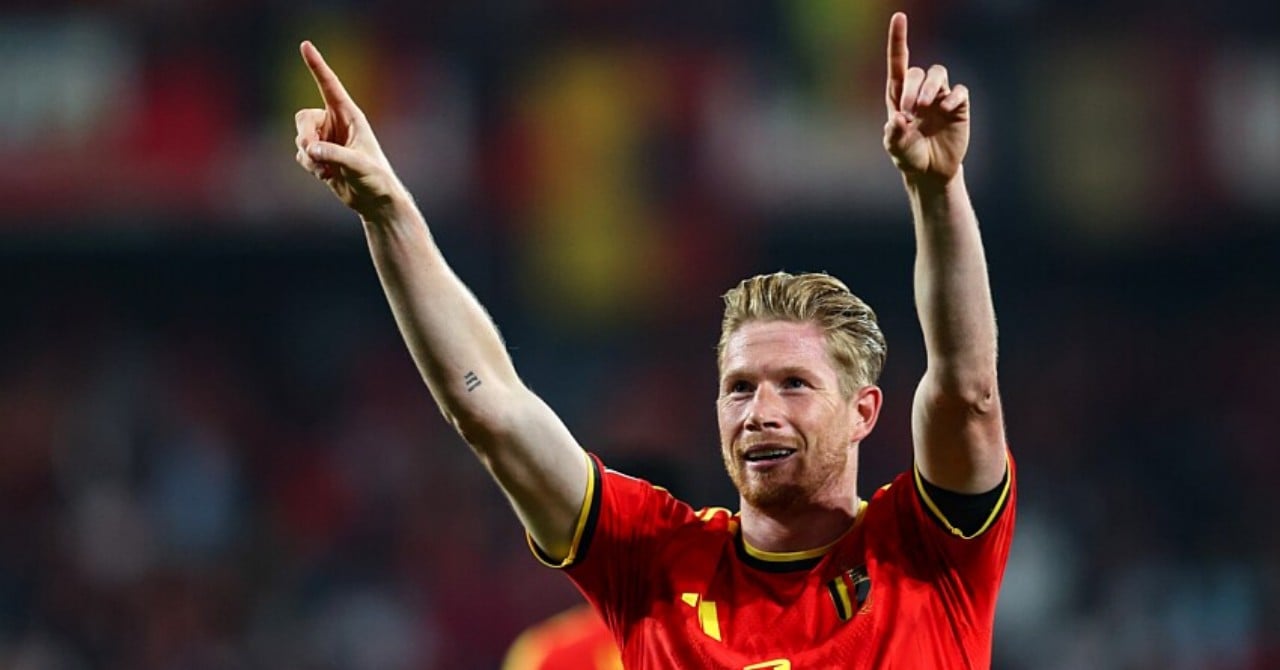
De Bruyne reaches 200 career goals with brace against Turkey
-
 Football ·
UAE threatens to pull billions from UK investment over Manchester City guilty verdict
-
 Football ·
UEFA opens review of Barcelona after Real Madrid submits Negreira case documents
 Denmark U19