Pierre Ménès and Gilles Favard openly attack commentator Yoann Riou
On YouTube, Pierre Ménès called Yoann Riou "exhausting" and questioned his "over-enthusiasm" as suspect. Gilles Favard doubled down in a podcast, describing him as "hated everywhere he goes".
1 min read
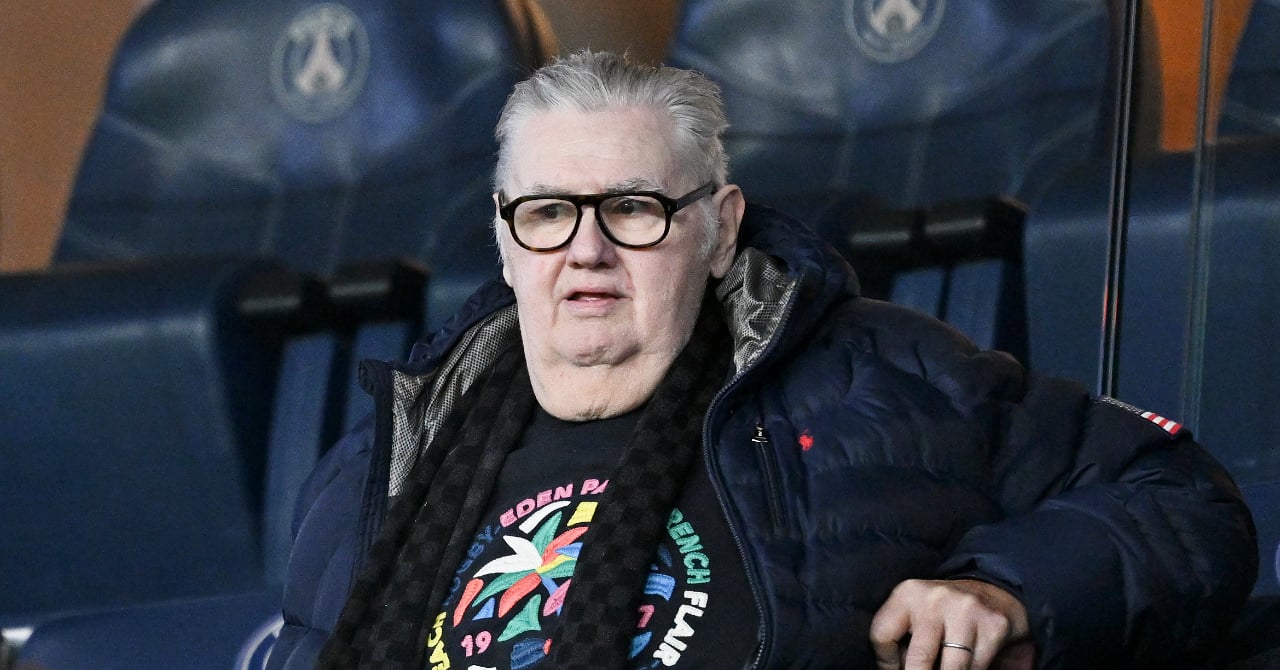
Pierre Ménès and Gilles Favard have both publicly targeted Yoann Riou, a star commentator on L’Equipe de Greg on the L’Equipe channel, within days of each other.
It was on his YouTube channel that the former Canal+ consultant struck first. Referring to a viral video in which Riou commentates a Manchester City match shirtless, Ménès said: “I won’t go so far as to say there’s animosity towards him. I’d just say he exasperates me.” Before adding: “This permanent, forced over-enthusiasm, bordering on hysteria, I find it incredibly suspect.”
The two men have known each other for around twenty years. Ménès recalls attending a Juventus Turin match alongside Riou, who was then L’Equipe’s correspondent in Italy. “He was completely unknown back then, and he was already exhausting,” he quips, before concluding in a deliberately detached tone: “Now he’s living his life, doing what he wants… but it doesn’t stop me from living mine.”
Gilles Favard, a former sports adviser at FC Nantes and also a former L’Equipe employee, extended the offensive in the podcast Face à Raju. His verdict is even harsher: he sees in Riou a “pleased with himself” figure with “no football culture whatsoever”, adding that he would be “hated by everyone, everywhere he goes” — a claim that, according to him, no one would dare state publicly.
Yoann Riou has not publicly responded to these attacks at the time of publication of this article.
Read also
-
 Football ·
Ballon d'Or Accused of Scam After Making BOAT Vote Purely Symbolic
-
 Football ·
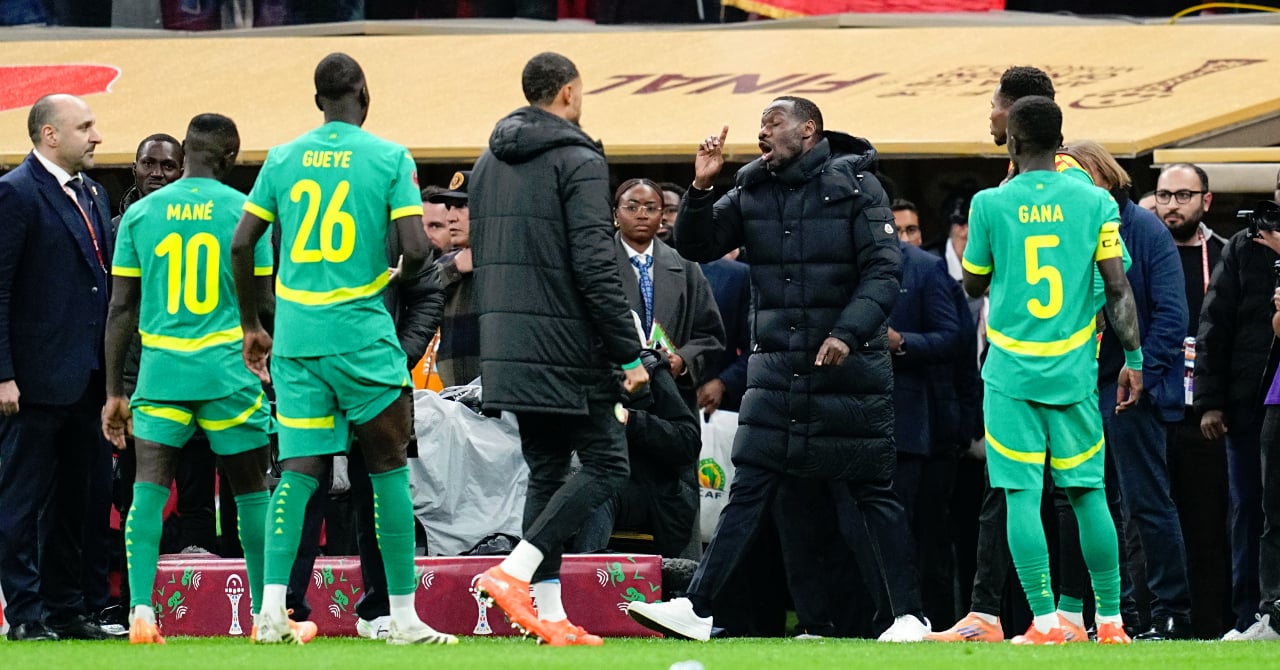
AFCON 2025: Moroccan journalist claims CAS has ruled, Senegalese counterpart denies
-
 Football ·
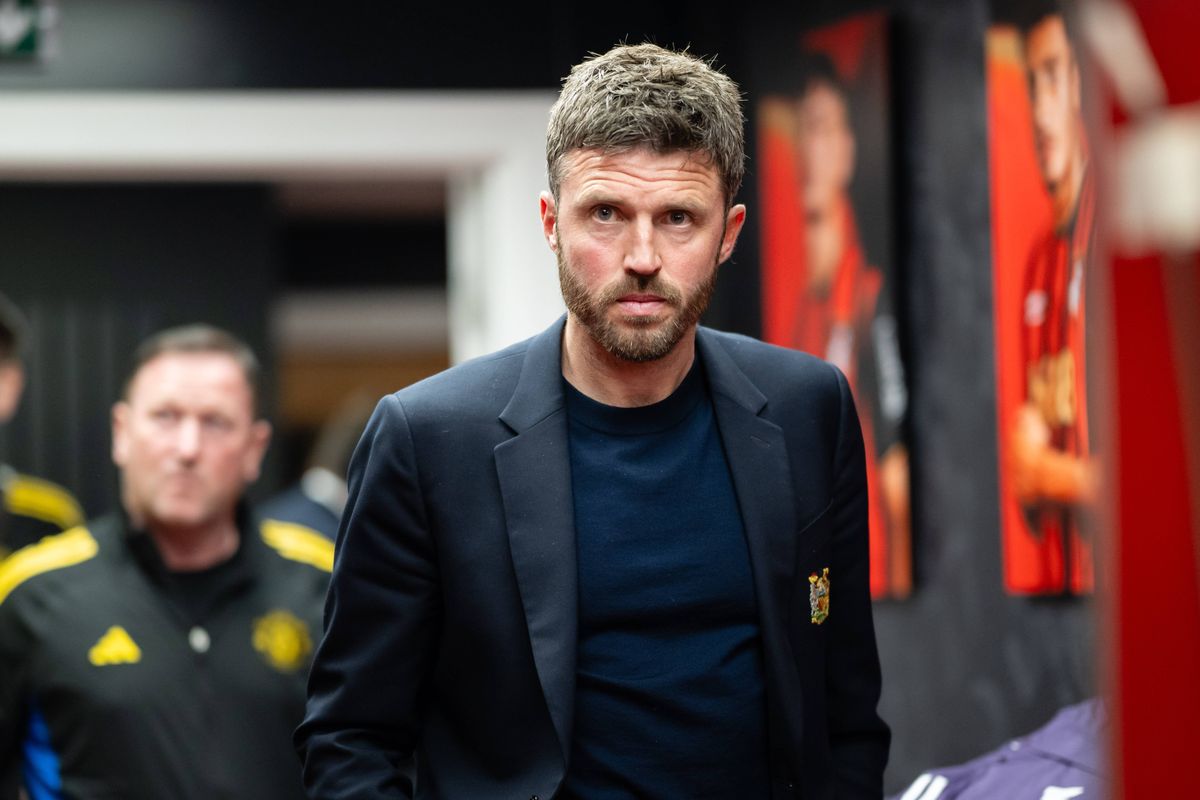
Carrick delivers six-minute address as Hurzeler and rival deny interest in United job
-
 Football ·
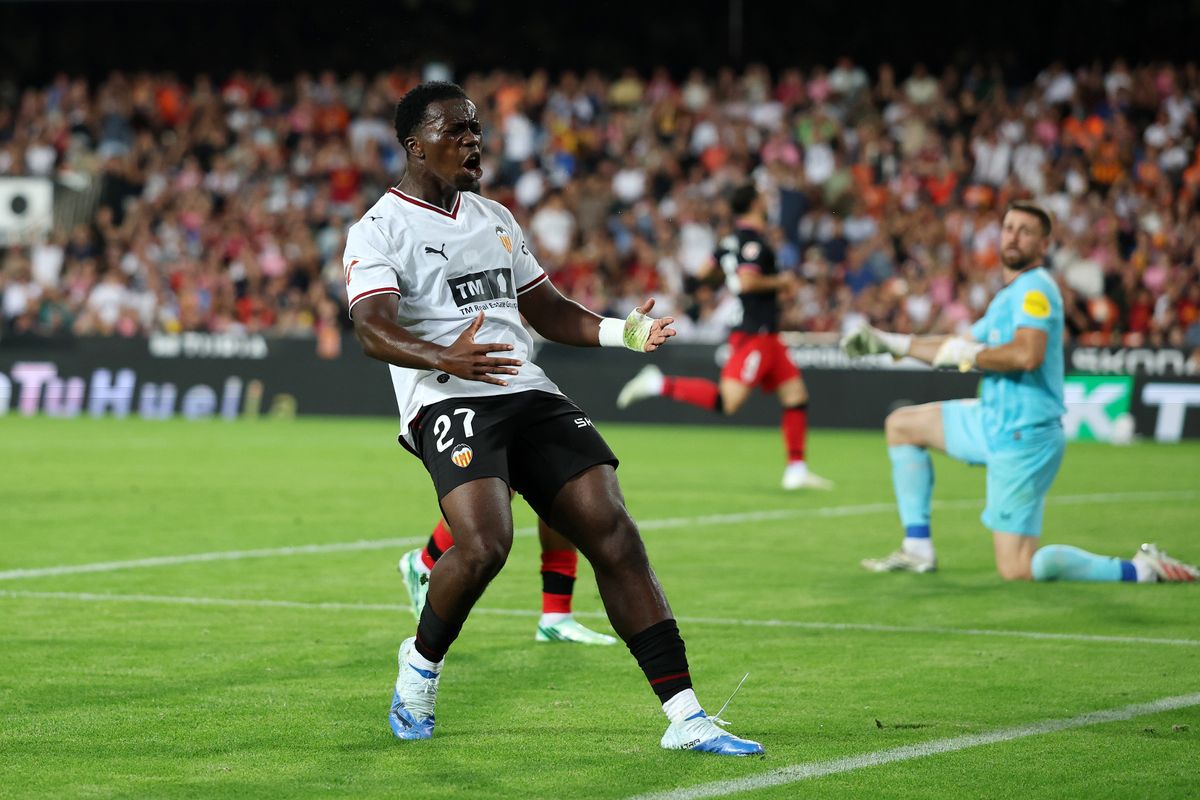
Liverpool scouts monitor £50m Valencia winger Otorbi amid January transfer push
-
 Football ·
Man City Under-21s overturn three-goal deficit to stun Stoke in stoppage time
-
 Football ·
Howe, Nagelsmann and Hurzeler emerge as United weigh Carrick sack ahead of Bournemouth