Named for the 17th time, Messi will never break Ronaldo's nomination record
Lionel Messi is among the 30 nominees for the 2026 Ballon d'Or following a successful Copa America with Argentina, but his international retirement makes it impossible for him to match Cristiano Ronaldo's record of 18 nominations.
1 min read
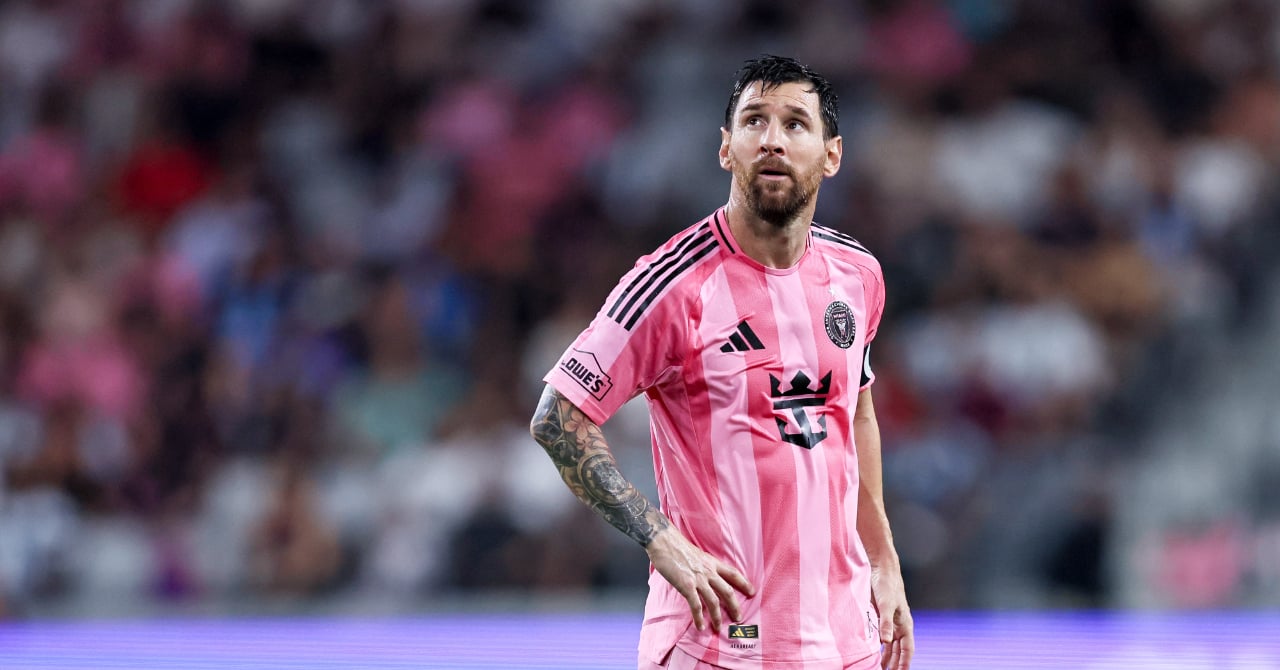
Lionel Messi is back in the list of 30 nominees for the 2026 Ballon d’Or, unveiled Tuesday, after being absent from the previous two editions. This 17th nomination, the highest of his career, will not be followed by an 18th: the all-time record will remain with Cristiano Ronaldo.
The 39-year-old Argentine owes this return to a convincing Copa America. Author of 8 goals and 4 assists, he led the Albiceleste to the final, where Argentina lost to Spain. Enough to win a ninth Ballon d’Or? The answer is expected on October 26.
But beyond this vote, it is a record that Messi can no longer threaten. Cristiano Ronaldo has 18 nominations over his career — a mark that the Inter Miami striker will not be able to match. Ronaldo, for his part, is absent from the list for the fourth consecutive year.
The reason is simple: Messi announced his international retirement. Physically exhausted and grieving the death of his father in early August, he decided to end his career with the national team. Without an international competition to play in, it is difficult to imagine another nomination in 2027 or beyond, even if he continues to perform in MLS with Inter Miami.
The statistical duel between the two legends, which has marked two decades of world football, thus closes on this gap of one nomination: 18 for Ronaldo, 17 at most for Messi.
Read also
-
 Football ·
Giggs reveals how Elliot Anderson shut down his Manchester United pitch on the golf course
-
 Football ·
French Football Federation Withdraws Support from Infantino, Isolated Candidate for FIFA Presidency
-
 Football ·
Marc Overmars resigns as Royal Antwerp sporting director citing depleted energy and health fears
-
 Football ·
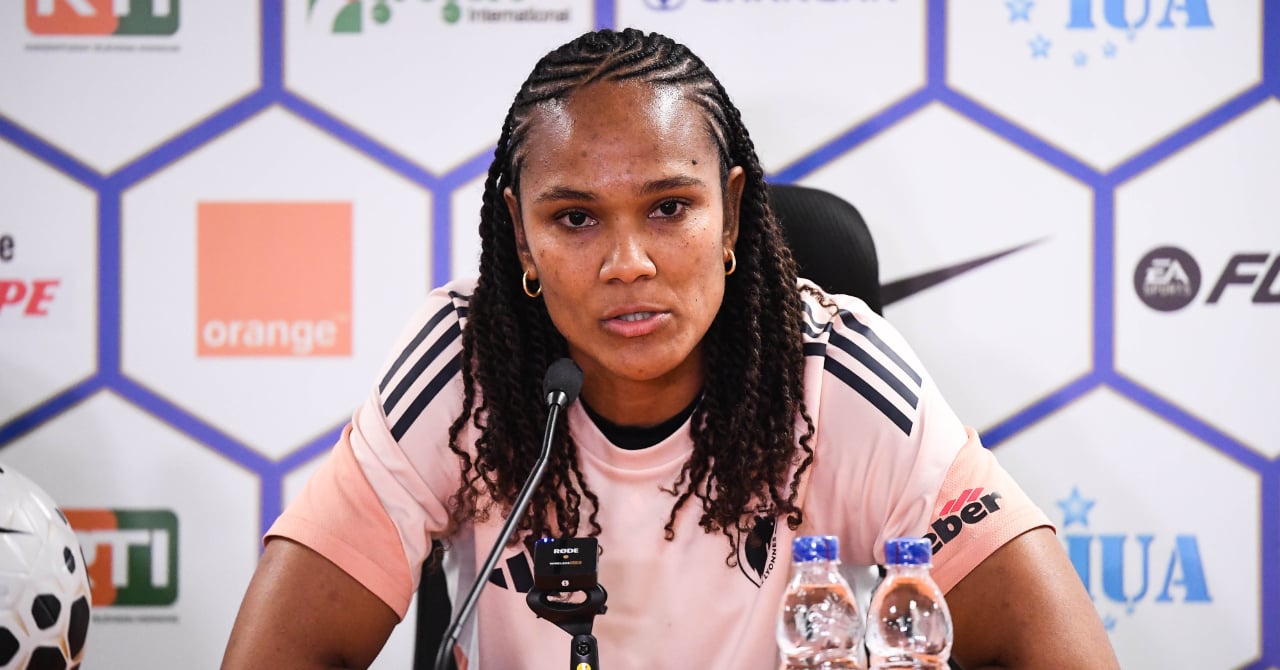
Ignored by France for Ballon d'Or, Wendie Renard breaks silence
-
 Football ·
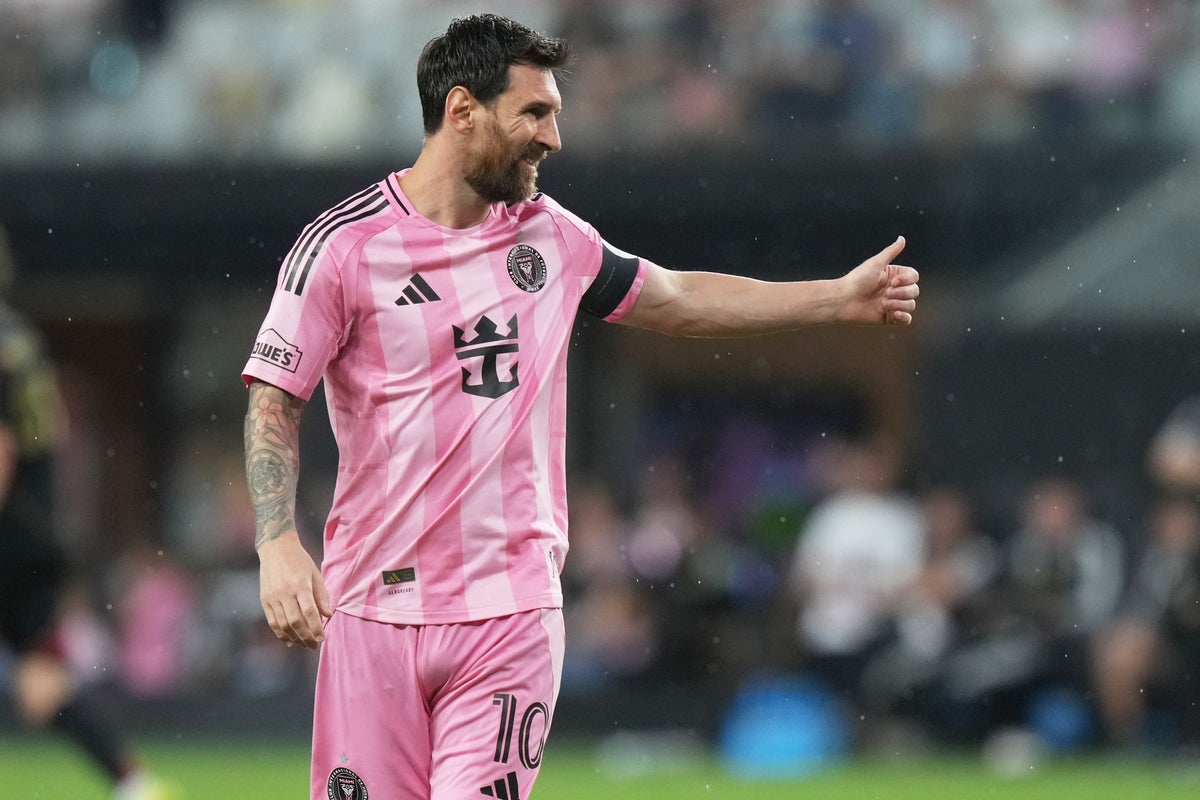
Messi closes in on second Spanish club purchase months after Argentina retirement
-
 Football ·
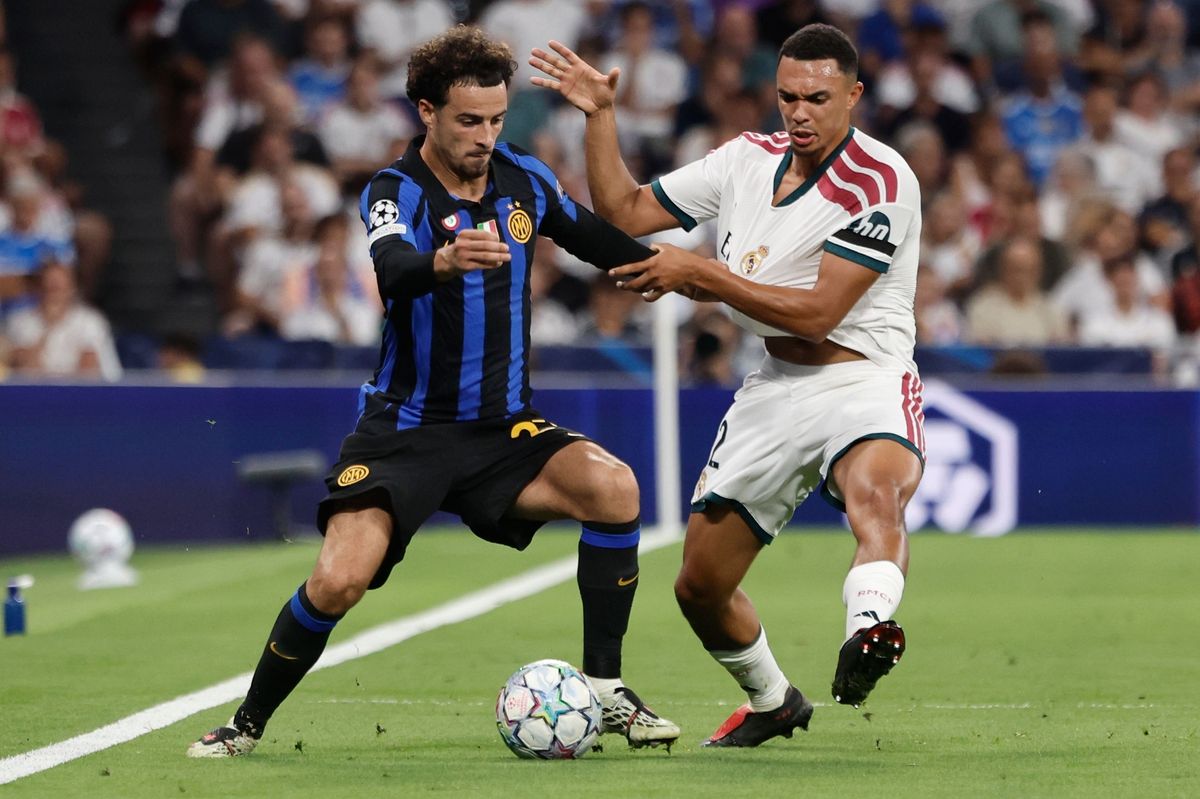
Spanish and Italian media savage Alexander-Arnold and Jones after Champions League reunion
 Italy U20 W